
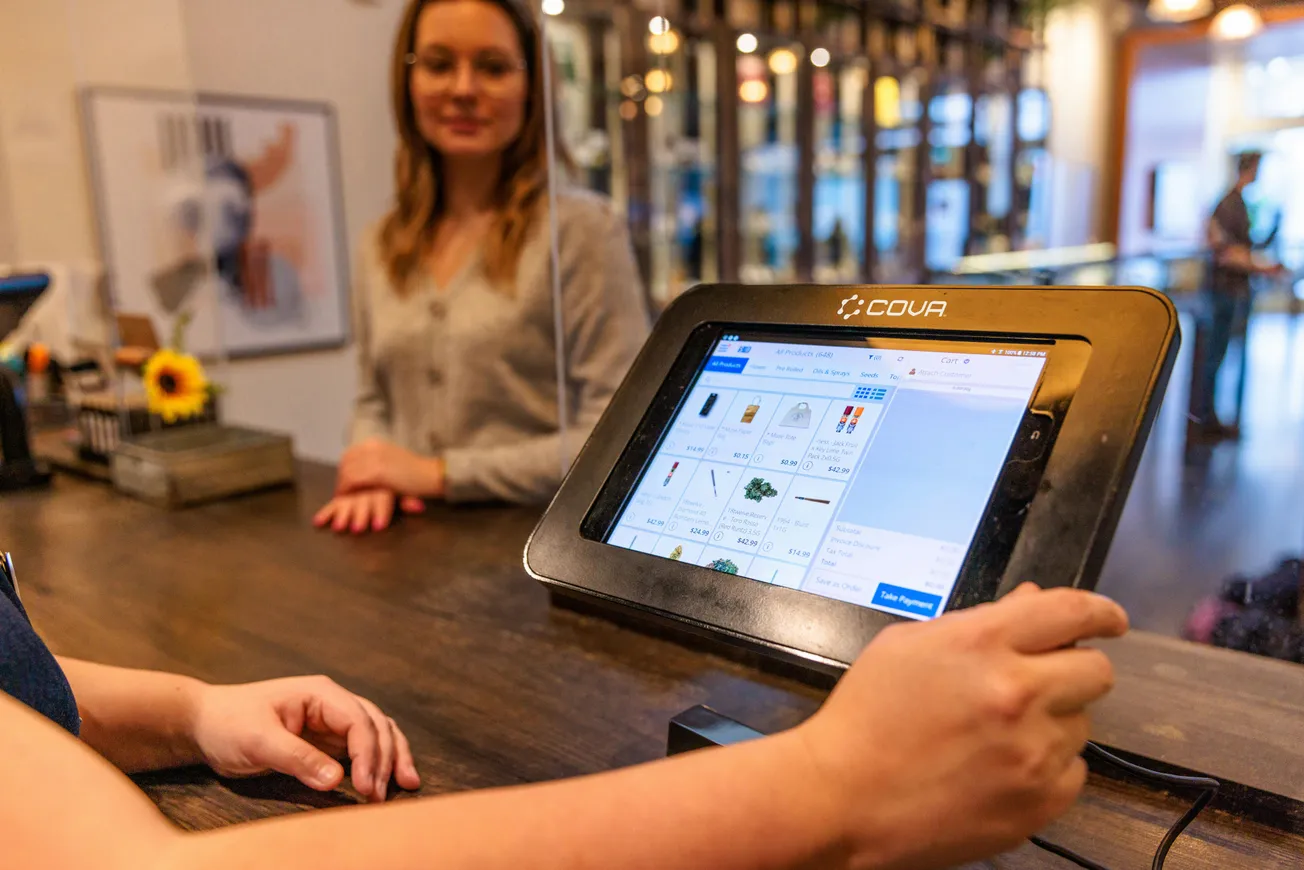
Point-of-sale systems are no longer just digital cash registers. In today’s omnichannel retail environment, modern POS platforms sit at the center of store operations, customer engagement and data-driven decision-making.
As retailers navigate rising consumer expectations, labor pressures and tighter margins, the POS has evolved into a mission-critical technology layer that connects in-store transactions with e-commerce, inventory systems, loyalty programs and supply chain visibility.
From Cash Register to Commerce Hub
Historically, POS systems were transactional endpoints—designed to process payments and track daily sales. Today’s modern POS systems operate as cloud-based commerce hubs, integrating payments, customer data, merchandising insights and fulfillment capabilities in real time.
For omnichannel retailers, this transformation is essential. A shopper who buys online and picks up in-store expects accurate inventory counts, seamless returns and consistent pricing across channels. Modern POS systems make that synchronization possible by connecting brick-and-mortar stores with centralized data platforms.
This evolution reflects a broader shift in retail technology architecture. Instead of siloed systems for inventory, CRM and payments, retailers are consolidating functions into unified, API-driven ecosystems that can adapt quickly to new sales channels and customer touchpoints.
Cloud-Based Infrastructure Drives Agility
One of the defining characteristics of modern POS systems is cloud connectivity. Cloud-based POS platforms enable retailers to push software updates, deploy new features and scale across locations without relying on legacy on-premise infrastructure.
For multi-store operators, particularly grocers and specialty retailers, this agility reduces IT complexity and enhances data visibility. Store managers can access real-time dashboards showing sales performance, shrink, labor allocation and inventory levels. Corporate leaders gain centralized oversight across regions.
In Bentonville and other retail innovation hubs, technology providers are working closely with merchants to ensure POS systems support rapid experimentation—whether launching a new payment method, integrating digital coupons or piloting AI-driven personalization.
Powering Omnichannel Fulfillment
Modern POS platforms also play a critical role in fulfillment workflows. As buy online, pick up in-store and curbside pickup models continue to scale, the POS becomes a control center for order orchestration.
Associates use mobile POS devices and tablets to pick, stage and complete digital orders. Integrated systems ensure that online inventory reflects in-store availability, minimizing canceled orders and improving customer satisfaction.
This level of synchronization strengthens supply chain efficiency. Real-time sales data feeds forecasting models, enabling more accurate replenishment and reducing out-of-stocks—an ongoing priority for grocery and general merchandise retailers alike.
Enabling Data-Driven Merchandising
Beyond transactions, POS systems generate valuable first-party data. Retailers analyze basket composition, peak traffic times and promotional lift to refine merchandising strategies.
Advanced POS solutions integrate with loyalty platforms, allowing retailers to personalize offers at checkout or through digital channels. For example, targeted discounts can be applied automatically based on purchase history, creating a more customized shopping experience.
As privacy regulations evolve, retailers are prioritizing secure data management within POS ecosystems. Encryption, tokenized payments and compliance with payment card industry standards remain foundational components of modern platforms.
Supporting Emerging Payment Technologies
Consumer payment preferences are rapidly shifting. Contactless cards, mobile wallets and alternative payment methods are becoming standard expectations at checkout.
Modern POS systems are built to accommodate these preferences while maintaining transaction speed and security. Some platforms are also integrating buy now, pay later services and digital receipts, aligning checkout experiences with broader digital commerce trends.
For retailers, flexible payment acceptance is not only about convenience—it is a competitive differentiator that influences customer loyalty and repeat visits.
Labor Efficiency and Associate Empowerment
With ongoing labor challenges across retail, POS technology is also designed to empower store associates. Intuitive interfaces reduce training time, while mobile POS devices allow employees to complete transactions anywhere on the sales floor.
Line-busting capabilities and self-checkout integrations help improve throughput during peak periods. In grocery and high-volume retail environments, these efficiencies can significantly impact customer satisfaction scores and operational costs.
Additionally, POS data provides insights into staffing optimization. Retailers can align labor schedules with traffic patterns, reducing overtime while maintaining service levels.
The Strategic Role of POS in Retail Transformation
As retail becomes increasingly digital, the POS sits at the intersection of technology, merchandising and supply chain operations. It is no longer a back-end system—it is a strategic asset.
Retailers that invest in modern, scalable POS platforms are better positioned to unify customer journeys, improve operational resilience and respond quickly to market shifts. Whether enabling frictionless returns, supporting AI-powered recommendations or delivering real-time inventory accuracy, the POS has become a cornerstone of omnichannel retail success.
For industry leaders across Northwest Arkansas and beyond, the message is clear: the future of retail technology starts at the point of sale—but it extends far beyond the checkout counter.