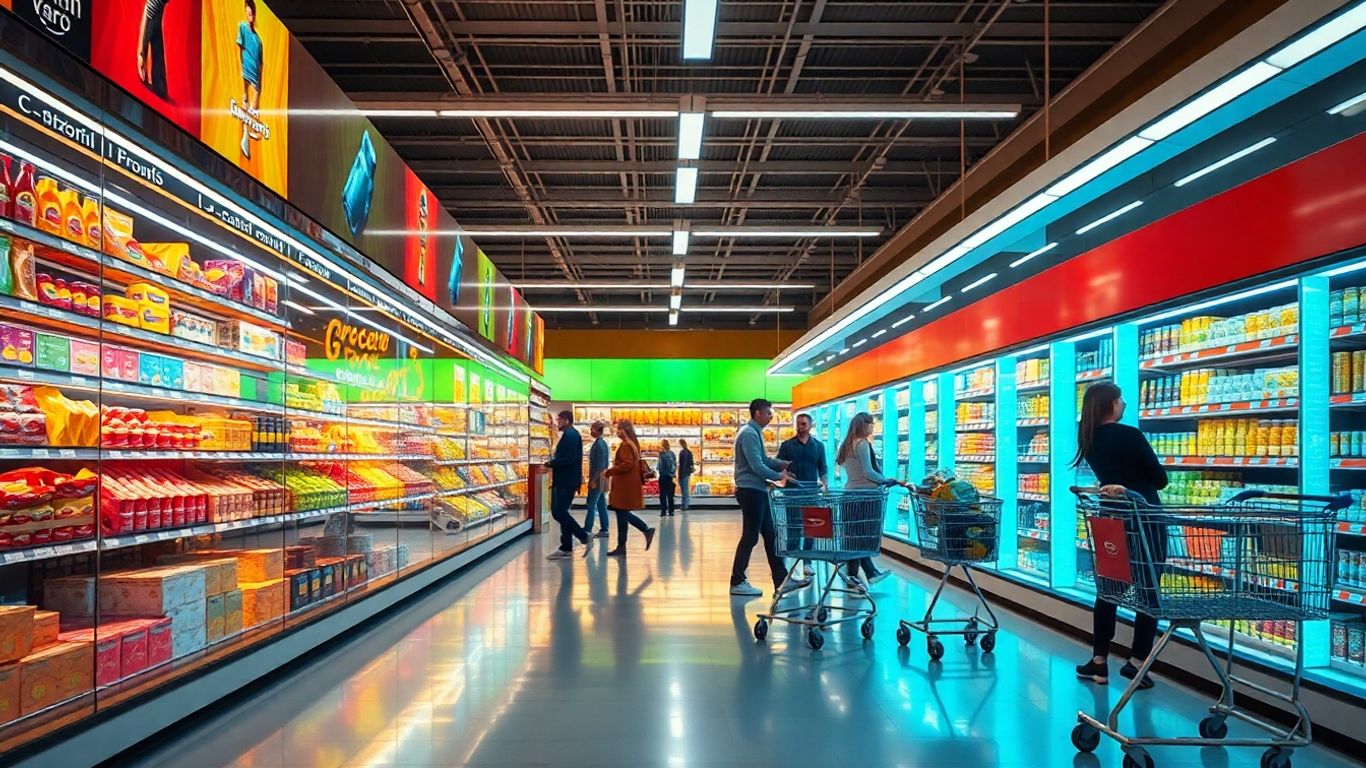

Residents in several Southern U.S. states are dedicating a larger share of their income to grocery expenses than households in many other areas of the country, according to a recent study. The research highlights how lower median household incomes, not necessarily higher grocery prices, are driving affordability challenges in these regions.
In states such as Mississippi, West Virginia, and Arkansas, households spend among the highest percentages of their income on groceries nationwide, despite grocery item prices in some of these states being lower than in others. This dynamic reflects a widening income gap that exacerbates food cost pressures for lower-income residents.
Income, Not Prices, Drives Grocery Strain
According to WalletHub, Mississippi leads the nation, with residents spending approximately 2.6% of their median income on groceries, even though grocery prices in the state are among the more affordable nationally. The state’s position at the bottom of the income scale—having the lowest median household income in the U.S.—is a key factor behind the high cost burden.
Other Southern states with relatively low median incomes also rank high in grocery cost burden, including West Virginia (2.54%) and Arkansas (2.44%), along with Louisiana, Kentucky, Alabama, and South Carolina. In contrast, many states with higher median incomes, particularly in the Northeast, see residents spending comparatively less of their income on groceries.
WalletHub analyst Chip Lupo explained that the states with the highest grocery expenditure as a share of income “aren’t those with the highest prices,” but rather those with far lower income levels, meaning even modest grocery bills consume a larger portion of household budgets.
Broader Affordability and Food Access Trends
National data show that grocery prices have risen significantly over the past several years, increasing the financial strain on households with stagnant or slow income growth. Since 2019, average monthly grocery costs have climbed substantially, outpacing general income increases and contributing to affordability challenges for many families.
For Southern states with higher poverty rates and lower access to well-stocked food retailers, these trends compound long-standing food access issues. Research has indicated that many areas with low income and limited grocery store access—known as food deserts—are prevalent in the South, where residents may struggle to find affordable, nutritious food options.
Additionally, the strain of grocery costs often leads households to adjust purchasing behaviors—such as buying fewer discretionary items, making smaller, more frequent trips, or prioritizing less expensive staples—as they strive to stretch limited budgets. These patterns mirror broader national trends in consumer behavior amid sustained economic pressure.
Implications for Policy and Community Support
The observed grocery cost burden underscores the importance of policy and community efforts to expand food access and affordability in low-income regions. Programs such as the Supplemental Nutrition Assistance Program (SNAP) provide critical support to households struggling with food costs, helping offset rising grocery bills by supplementing food budgets based on income eligibility.
Local and state initiatives that encourage supermarket development, address transportation barriers, and invest in nutrition education may also improve long-term food security in affected communities. These efforts are especially relevant in Southern states, where income disparities and limited retail access coincide to compound grocery affordability challenges.
Conclusion
As grocery prices continue to rise across the United States, the income gap in Southern states is magnifying the financial impact on household budgets in ways that extend beyond sticker prices at the store. By highlighting how income levels drive the share of income spent on groceries, the WalletHub analysis provides valuable insight into regional disparities and the need for targeted actions to support affordability and access for vulnerable populations.
More about grocery:
 Ashton York
 Staff Report
 Staff Report