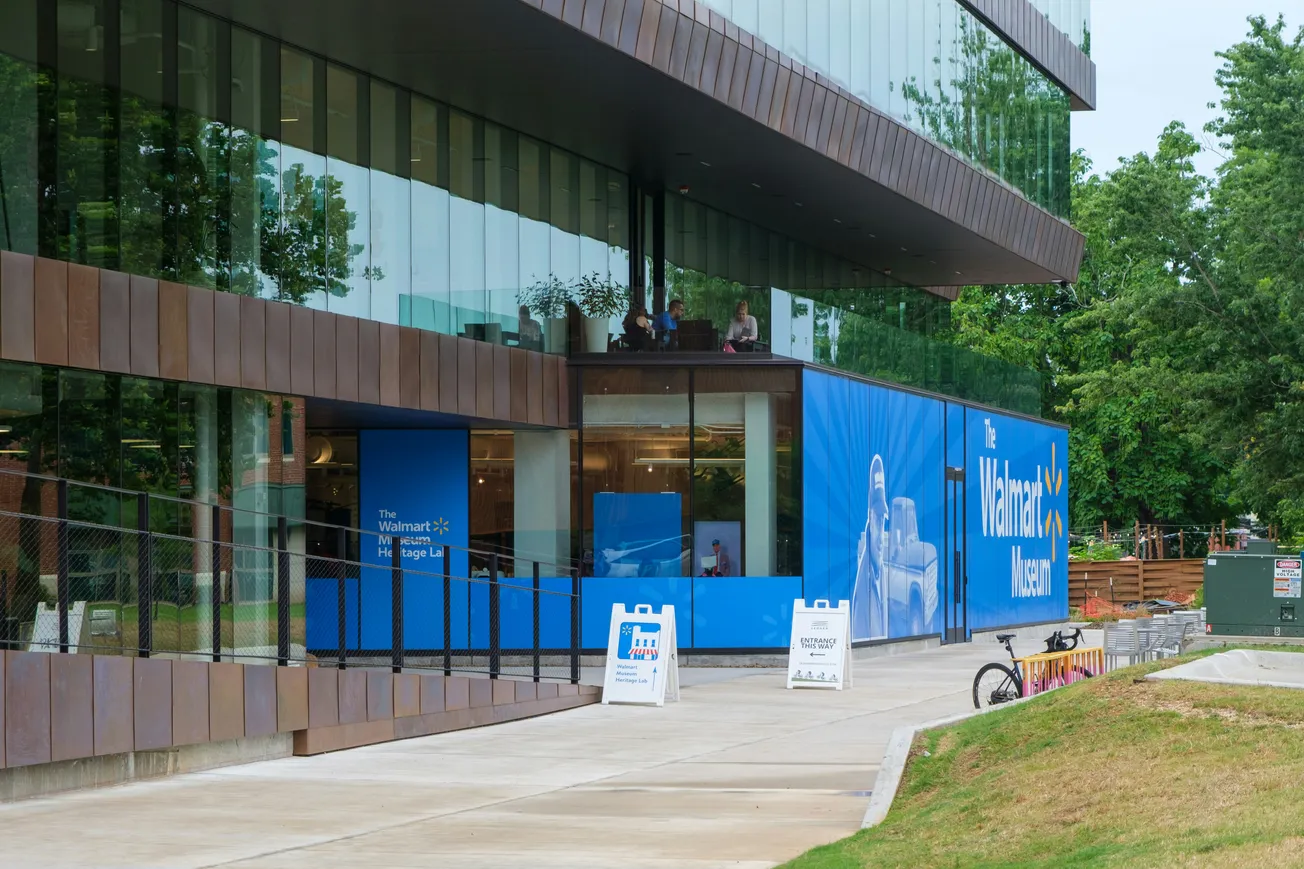
In Northwest Arkansas, a quiet revolution is under way — one that’s building a deep bench of talent purpose‑built for Walmart and its vast supplier ecosystem. A recent analysis of the region’s workforce development reveals how a combination of education, skills‑first hiring, and tight community collaboration is creating a sustainable, “retail‑ready” pipeline that fuels Walmart’s unique rhythm.
From Talent Shortage to Systemic Opportunity
Historically, retailers and suppliers struggled to find people who understood Walmart’s cadence — the modular resets, seasonal peaks, rapid promotional cycles, and stringent replenishment schedules that define competing in Walmart’s world. When hiring is reactive, many companies end up scrambling to fill roles, compromising on fit and long-term performance.
Recognizing this gap, leaders in Northwest Arkansas partnered with local educational institutions and supplier firms to build structured programs — rather than relying on the uncertain labor market. The result: a reliable stream of talent trained specifically to meet Walmart’s operational and data demands.
Skills‑First & Supplier‑Specific Training
At the core of this pipeline is a skills‑first framework: instead of prioritizing degrees, the emphasis is on functional competence — data analysis, supply-chain fluency, forecasting, category management, and the ability to navigate Walmart’s proprietary systems.
This aligns with broader shifts in talent strategy — both for Walmart and across the retail industry — toward upskilling and internal mobility rather than relying solely on external recruiting.
A Blueprint for Supplier Success
For suppliers operating in the high-pressure Walmart ecosystem — where timing matters, data flows fast, and execution must be precise — this talent engine is a strategic advantage. Companies that engage early with the local talent community tend to avoid reactive hiring, build stronger teams, and maintain velocity through peak seasons.
A growing number of professionals, including those from non-retail backgrounds, are pivoting into CPG, logistics, and supply‑chain roles successfully — often within months of completing training.
What This Means for Retail’s Future
As retail continues to evolve — with AI, omnichannel demands, and increasingly complex supply chains — the value of ready-to-go talent also rises. The Northwest Arkansas model showcases how local ecosystems can respond with agility: aligning education, employer needs, and career mobility.
For the broader retail industry, it’s a reminder that building a resilient workforce often starts long before the job opening appears — and that investing in scalable, skills‑first talent pipelines isn’t just good HR practice: it’s strategic business infrastructure.