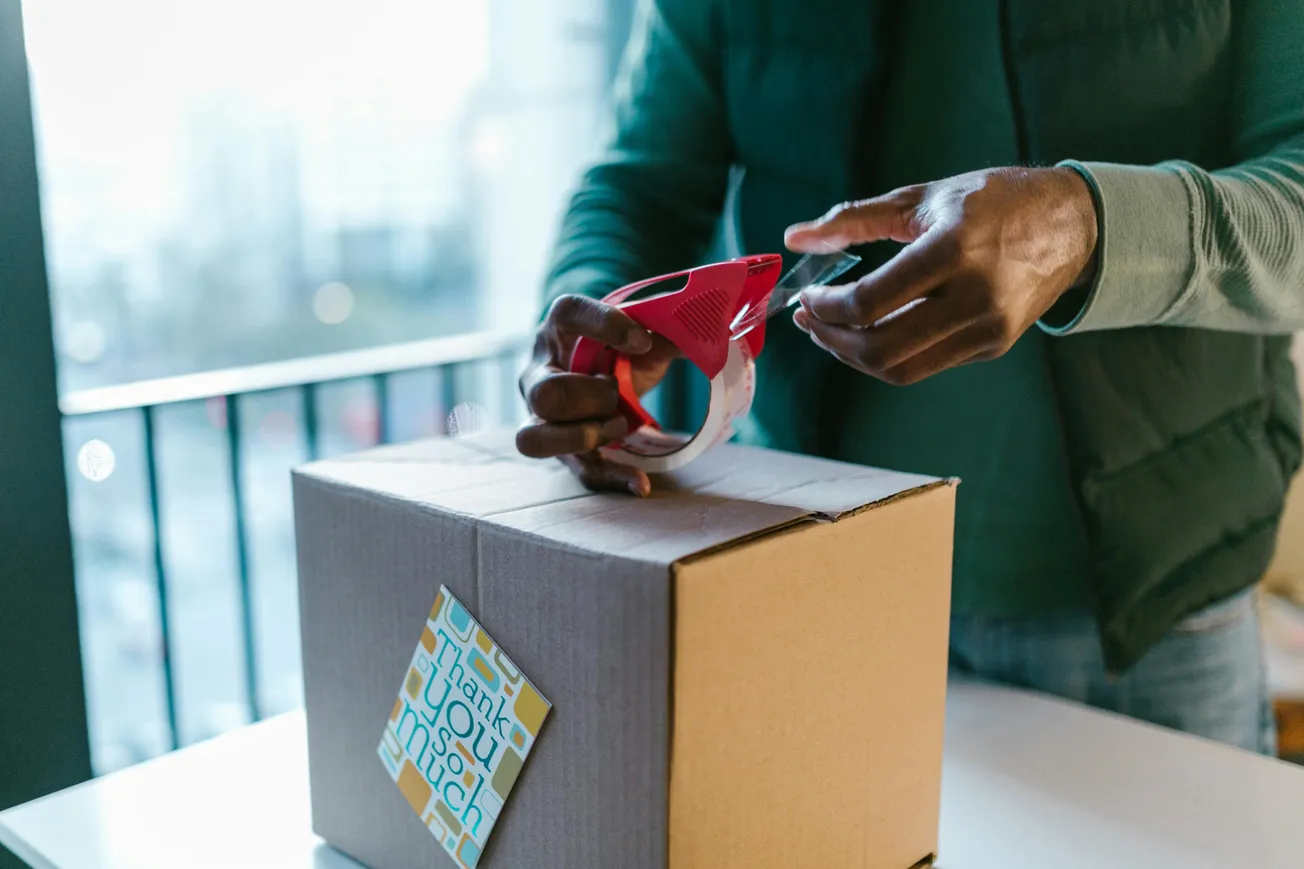
The pressure on retailers and brands to deliver orders quickly and accurately is intensifying, driven by evolving consumer expectations and complex retailer requirements.
Omnichannel fulfillment, which manages inventory and shipments across multiple sales channels from a unified system, is no longer optional but a necessity. This post explores how partnering with a national third-party logistics provider (3PL) can transform and streamline your omnichannel fulfillment strategy for today’s dynamic marketplace.
Understanding Omnichannel Fulfillment
Traditionally, brands segmented inventory by channel, creating inefficiencies and excess costs.
Today, omnichannel fulfillment integrates inventory and order processing to allow flexible shipping to any channel — whether bulk shipments for big-box retailers, individual direct-to-consumer (D2C) orders, or replenishment for marketplaces like Amazon FBA.
This unified approach reduces duplicate inventory and optimizes operational agility.
Why a National 3PL is Key to Success
Managing omnichannel logistics in-house can be resource-intensive, particularly when juggling retailer compliance, fast D2C delivery, and scaling warehousing needs. National 3PLs provide critical advantages:
- Shared advanced technology: Real-time warehouse management systems (WMS) with automation and multi-channel order routing without heavy upfront investments.
- Retail compliance expertise: Deep knowledge of retailer routing guides, labeling, and packaging rules helps avoid costly chargebacks and expedites time-to-shelf.
- Scalable warehousing: Access to strategically located, temperature-controlled, and specialized facilities across regions ensures capacity during peak seasons and geographic expansion.
- Cost efficiencies: Multi-client shared operations lower fixed overhead and enable operational flexibility as volumes vary.
- Comprehensive fulfillment: Simultaneous support for retail, wholesale, and D2C fulfillment reduces the need for fragmented supply chain partners.
Navigating 2025 Tariffs and Supply Chain Adaptation
With new U.S. tariffs looming, brands face increased port costs and pressure to optimize inland distribution. Experienced 3PLs help by:
- Using transloading at major ports to accelerate inland shipments and reduce storage fees.
- Positioning warehouses near key transportation corridors to cut last-mile costs and delivery times.
- Leveraging WMS and transportation analytics to optimize inventory and mitigate tariff-related expenses.
How a National 3PL Executes Omnichannel Distribution
Taking Weber Logistics as an example, a century-old 3PL offering integrated coast-to-coast services:
- End-to-end control: Managing from port reception through warehousing to final-mile delivery, including drayage and transloading services.
- National transportation network: Asset-based trucking with LTL, FTL, and temperature-controlled options ensuring coverage and cost control.
- Strict retail and D2C compliance: Guaranteeing packaging, labeling, and documentation meet all channel-specific standards to reduce disruptions.
- Specialized handling: Expertise with sensitive products such as food, pharmaceuticals, and chemicals requiring temperature and regulatory controls.
- Regulatory compliance: Deep experience in California’s unique environmental and labor regulations, a marker for complex state-level challenges.
Conclusion
Omnichannel fulfillment is essential for meeting modern consumer demands efficiently and accurately. Partnering with a national 3PL offers a practical path to unify inventory, ensure compliance, scale operations, and reduce costs — all while navigating regulatory and tariff challenges.
As Weber Logistics emphasizes, a robust 3PL partner treats omnichannel not as a complexity but a standard for service excellence. To future-proof your supply chain with a seamless omnichannel fulfillment strategy, consider the benefits a trusted national 3PL can provide.
More about 3PLs:
 Staff Report
 Staff Report