Recent military strikes and escalating geopolitical tensions in the Middle East have introduced a new layer of volatility into the global economy, specifically regarding energy prices and logistics stability. As industry leaders in Bentonville and beyond monitor the situation, the potential for direct impacts on the U.S. inflation rate and the broader omnichannel retail ecosystem is becoming a central focus of corporate strategy.
According to reporting from The Wall Street Journal, the risk of disruptions to Iranian oil infrastructure or the blockage of critical maritime transit points, such as the Strait of Hormuz, poses a significant threat to global energy supplies. Iran produces approximately 3 million barrels of oil per day, and any sustained reduction in this output could lead to a sharp spike in crude oil prices.
For the retail and logistics sectors, energy costs are a primary driver of operational expenses, influencing everything from manufacturing overhead to last-mile delivery.
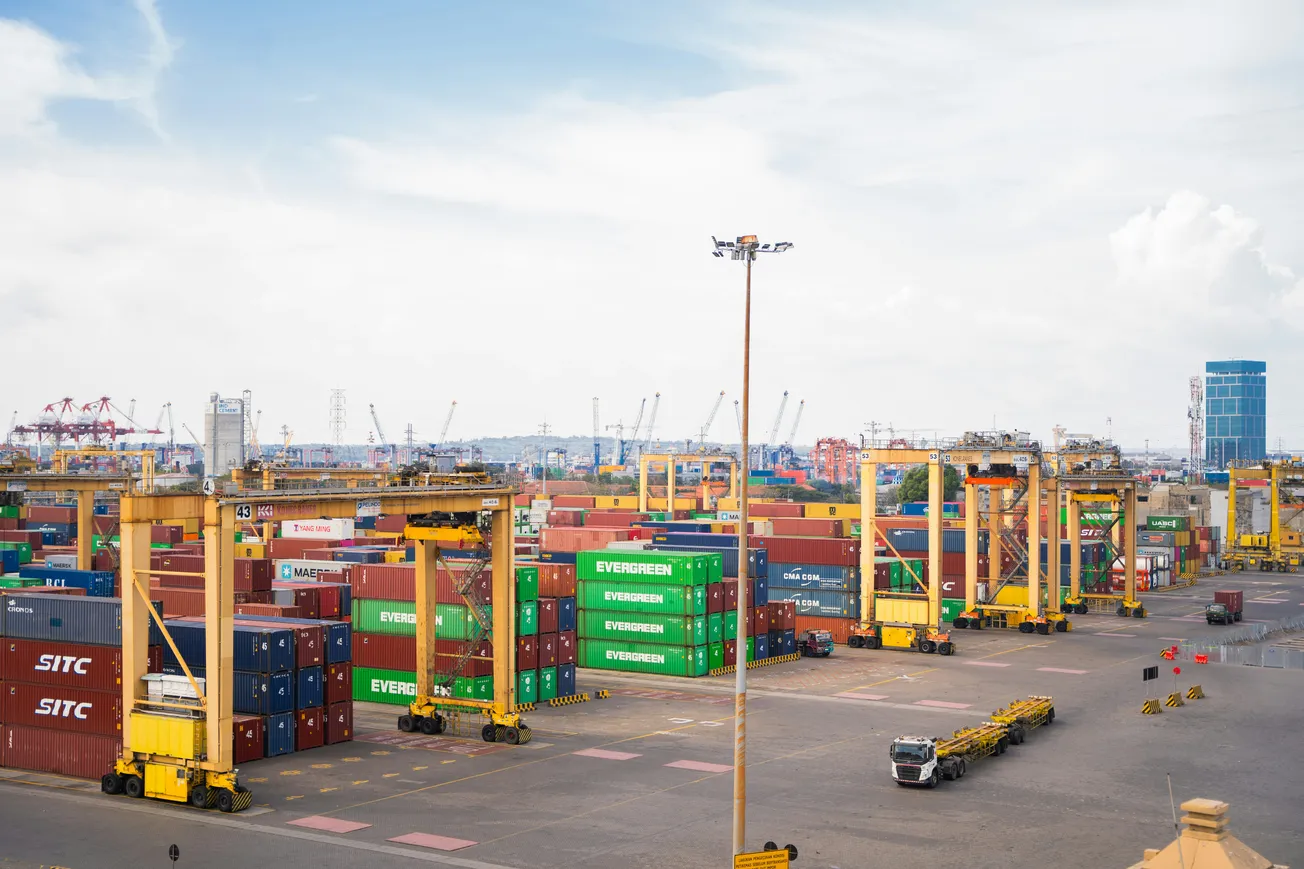
The most immediate concern for supply chain professionals is the correlation between rising oil prices and transportation surcharges. When fuel costs fluctuate, freight carriers often implement fuel surcharges to maintain margins. For omnichannel retailers who rely on a seamless flow of goods between international manufacturers and local distribution centers, these added costs can quickly erode profitability. If energy prices remain elevated, businesses may be forced to choose between absorbing the costs or passing them on to consumers, which directly fuels domestic inflation.
Furthermore, the stability of global shipping lanes is paramount for the "just-in-case" inventory models that have become more prevalent since the 2020 pandemic.
The Middle East serves as a geographic hinge for trade between Asia and Europe, and by extension, impacts the global movement of components used in North American manufacturing. Any escalation that necessitates the rerouting of vessels around the Cape of Good Hope adds weeks to transit times and increases the demand for container capacity, further tightening the global supply chain.
From a corporate strategy perspective, Bentonville-based companies and their thousands of vendor partners are increasingly utilizing advanced analytics and AI-driven forecasting to mitigate these macroeconomic risks.
By diversifying sourcing locations and optimizing logistics routes, firms are attempting to build "regenerative" supply chains that can withstand geopolitical shocks. However, the interconnected nature of the modern global economy means that a disruption in one region inevitably resonates through the entire omnichannel network.
Economists note that the Federal Reserve’s efforts to manage inflation are complicated by such external supply shocks. While domestic demand can be influenced by interest rate adjustments, energy-driven inflation is often more resistant to monetary policy. For retail stakeholders, this underscores the importance of operational efficiency and the adoption of new technologies to reduce energy dependency where possible.
As the situation develops, industry analysts suggest that the impact on U.S. consumers may initially be felt at the gas pump, followed by a gradual increase in the price of consumer packaged goods. For the Bentonville business community—the heart of the global retail world—the ability to navigate these complexities will be a defining factor in maintaining the momentum of the omnichannel evolution.
More about geopolitics:
 Staff Report
 Staff Report
 Staff Report