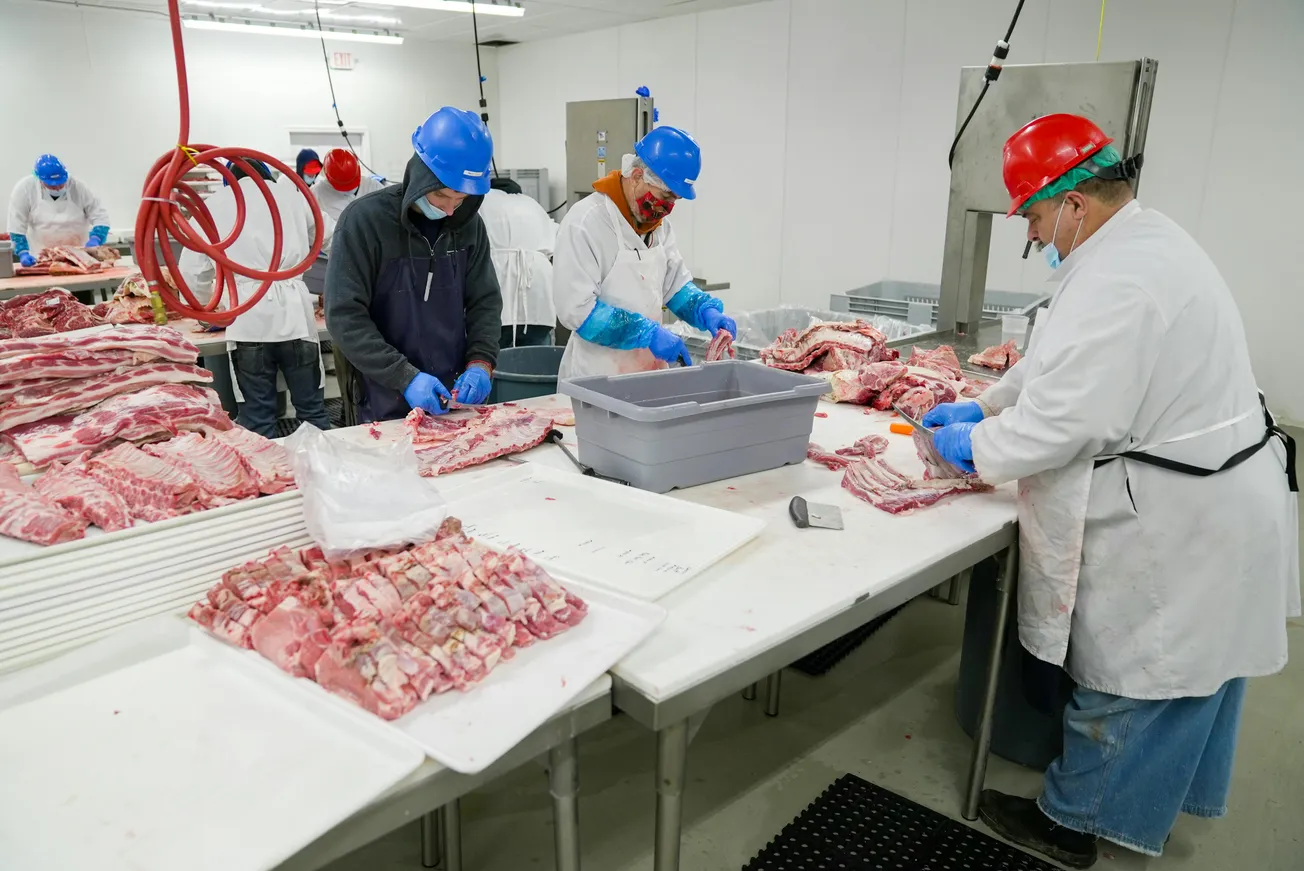
As commodity costs for beef, pork, and nuts soared in 2025, Hormel Foods responded with a combination of strategic pricing increases and a sweeping supply‑chain overhaul—measures aimed at preserving margins even as inflation squeezes the meat industry.
Inflation Pressures Hit Hard
In its third quarter, Hormel saw raw‑material cost inflation surge by roughly 400 basis points as pork bellies rose as much as 30 % year‑over‑year, and wholesale pork increased around 10 %.
While sales volume grew—for example, retail segment volume rose ~5 %—operating income took a hit due to elevated input and logistics expenses.
Dual Strategy: Price + Supply‑Chain Modernization
To respond, Hormel enacted targeted price hikes across core retail and foodservice products. The company expects these pricing actions to start easing margin pressure in late 2025 and more broadly into fiscal 2026.
Simultaneously, Hormel is executing a multi‑year “Transform & Modernize” initiative designed to revamp its supply‑chain infrastructure. This effort includes updating production facilities, investing in data-driven planning systems, improving inventory management, and optimizing manufacturing and distribution networks—a critical base for managing future volatility in commodities.
Outlook: Cautious Optimism Amid Lingering Risks
For fiscal 2026, Hormel projects adjusted earnings per share between $1.43 and $1.51, with net sales in the range of $12.2B to $12.5B, assuming pricing actions take effect as planned and commodity costs stabilize.
However, investor confidence remains cautious: shares have underperformed recently, weighed down by ongoing cost uncertainty, supply‑chain disruptions, and broader macro pressures affecting consumer demand.
Hormel’s current playbook—coupling price discipline with structural supply‑chain upgrades—may not restore margins overnight, but establishes a foundation for resilience as meat inflation and market volatility persist.