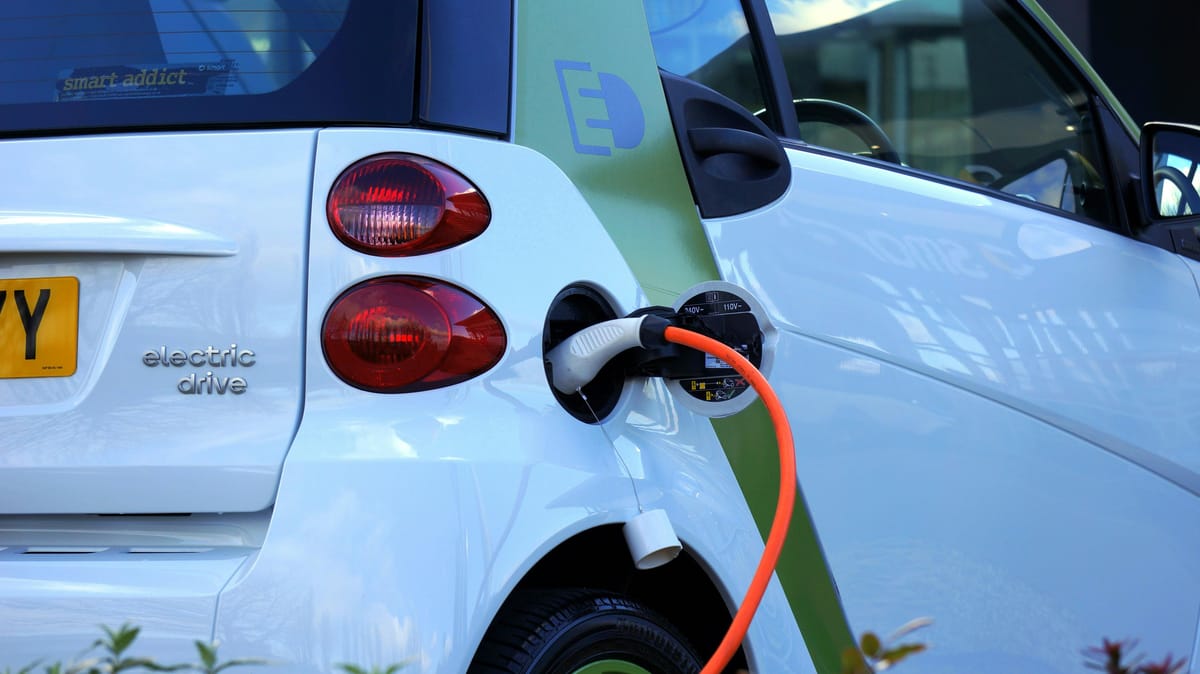

In a stunning reversal of its electrification roadmap, Honda Motor Co. announced on March 12, 2026, that it is canceling the development and market launch of three key electric vehicle (EV) models intended for the North American market. The decision, reported via Automotive News, comes as the automaker projects a staggering financial hit of up to $15.8 billion (¥2.5 trillion) related to the strategy shift. For the omnichannel retail and automotive sectors, this move signals a major recalibration of the "all-electric" future that many legacy manufacturers championed only a few years ago.
The Canceled Models and Strategic Pivot
The three scrapped models include the high-profile Honda 0 Series SUV and Saloon, as well as the anticipated electric Acura RSX. These vehicles were centerpieces of Honda’s "0 Series" initiative, which aimed to redefine the brand’s digital and sustainable identity. By halting these programs, Honda joins a growing list of global manufacturers—including Ford and Stellantis—that are taking multi-billion dollar "charges" to account for unused equipment, canceled supplier contracts, and asset writedowns.
The primary drivers for this retreat are a combination of cooling U.S. consumer demand and significant shifts in trade policy. Specifically, the expiration of federal EV tax credits in late 2025 and the introduction of aggressive new tariffs on imported components have eroded the profitability of EVs. Honda leadership noted that the company was "simply unable to deliver products that offer a better value" than newer competitors in the current economic climate.
Tariffs and the Supply Chain Squeeze
The financial impact is not solely tied to lack of sales. Honda’s gasoline and hybrid vehicle business, which traditionally provides the stable earnings base for R&D, has been squeezed by newly imposed U.S. tariffs. According to Financial Times, the combined pressure of energy costs and supply chain disruptions has forced Honda to project its first annual loss since the company went public in the 1950s.
CFO Eiji Fujimura indicated that the company is now refocusing on its hybrid (HEV) lineup, which remains a popular choice for "omni-shoppers" looking for fuel efficiency without the infrastructure hurdles of full electrification. This pivot is a pragmatic response to a U.S. market where fossil fuel regulations have been eased, and the immediate urgency for EV adoption has decelerated among mainstream buyers.
Leadership Accountability and Global Competition
The scale of the loss has led to immediate internal consequences. Honda’s representative executive officers, including the President and Vice President, have voluntarily agreed to forfeit up to 30% of their monthly compensation for three months. This act of "corporate responsibility" underscores the severity of the miscalculation regarding the pace of the EV transition.
Furthermore, Honda acknowledged a loss of competitive edge in Asia, particularly in China. Newer Chinese manufacturers have leveraged shorter product development cycles and superior software-defined vehicle (SDV) technologies to dominate the "new energy" market. Honda’s inability to respond flexibly to these software-driven consumer preferences has resulted in impairment losses on its regional investments.
Impact on the Bentonville Business Community
For stakeholders in the retail and logistics hub of Bentonville, Honda’s shift provides a critical lesson in supply chain resilience. The automotive sector's struggle reflects broader challenges in the global procurement of rare-earth elements and semiconductors. As automakers move toward multi-platform strategies—balancing internal combustion, hybrid, and electric offerings—the demand for a more agile and diversified supply chain becomes paramount.
As Honda retools its Ohio manufacturing facilities to accommodate this new "fixed-cost structure," the industry will be watching to see if this $15.8 billion "reset" allows the brand to regain its footing. For now, the focus shifts to 2027 and beyond, where affordability and infrastructure will likely dictate the next cycle of automotive innovation.
More about electric vehicles:
 Staff Report
 Staff Report
 Staff Report