
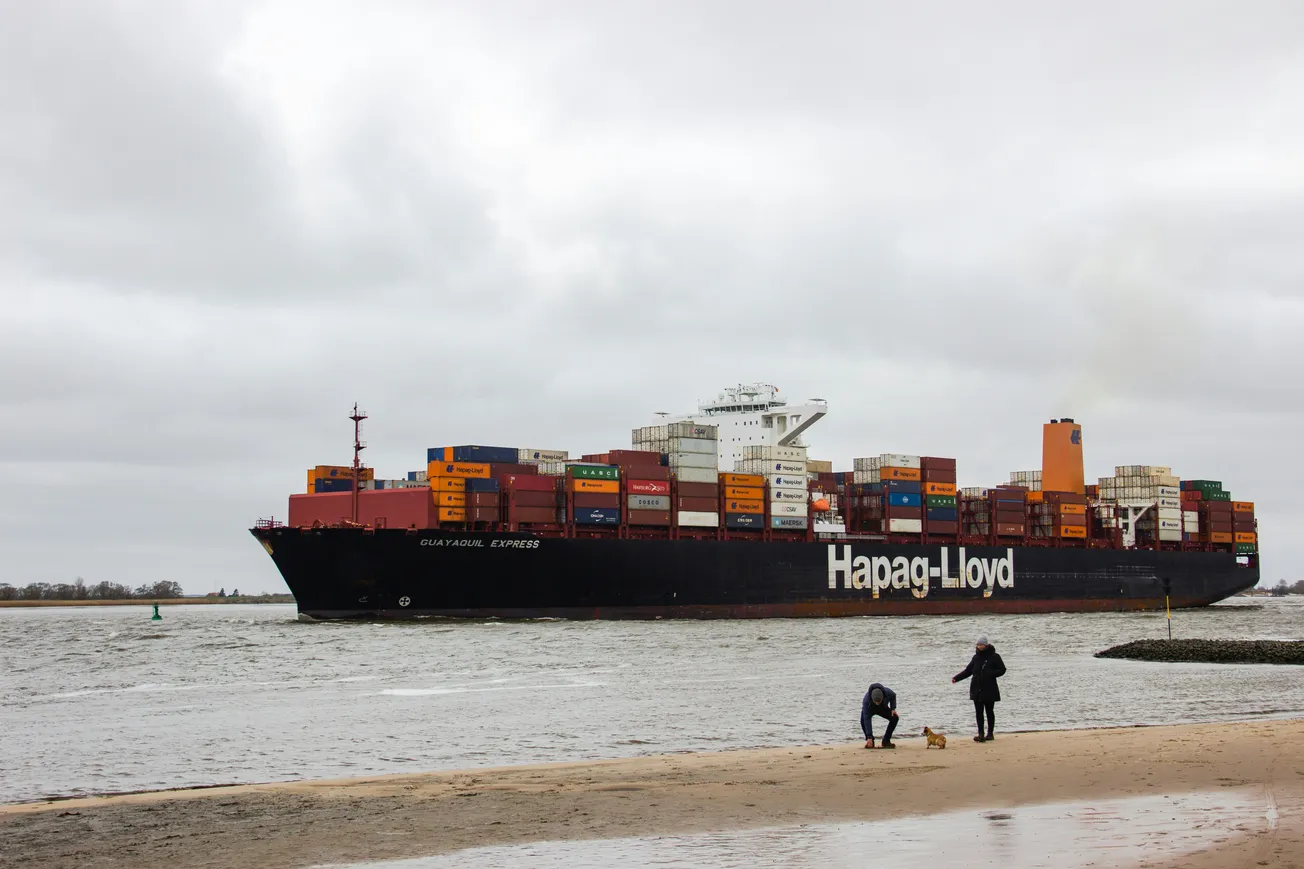
German ocean carrier Hapag-Lloyd has agreed to acquire Israel-based container shipping company ZIM in a deal valued at approximately $4 billion, marking one of the most significant consolidation moves in global ocean freight in recent years. The transaction is expected to strengthen Hapag-Lloyd’s position among the world’s leading container carriers while reshaping competitive dynamics across key East-West trade lanes.
According to reporting from Supply Chain Dive, the acquisition will expand Hapag-Lloyd’s fleet capacity and customer base while enhancing network density across major international routes. The combined entity is positioned to leverage operational efficiencies and improve service offerings amid ongoing volatility in global shipping markets.
Consolidation Amid Market Volatility
The ocean shipping sector has experienced significant turbulence over the past several years. After record profits during the pandemic-driven supply chain crunch, container carriers have faced rate normalization, fluctuating demand, geopolitical disruptions and rerouting pressures linked to global conflicts.
In this context, scale has become a strategic lever. Larger carriers are better equipped to manage vessel utilization, absorb cost swings and negotiate port and terminal access. Hapag-Lloyd’s move to acquire ZIM reflects a broader industry trend toward consolidation as carriers seek resilience through expanded networks and diversified trade exposure.
For investors, the deal signals confidence in long-term global trade growth despite short-term volatility. Shipping remains foundational to global commerce, moving roughly 80% of world trade by volume. Strategic acquisitions such as this one aim to position carriers for the next phase of demand stabilization and infrastructure modernization.
Strategic Benefits and Network Synergies
ZIM has historically maintained a strong presence on transpacific routes and niche markets, often operating with a more asset-light strategy compared with legacy carriers. Integrating ZIM’s services into Hapag-Lloyd’s broader global platform could enhance coverage in high-value trade corridors while optimizing fleet deployment.
Operational synergies may include:
• Improved vessel utilization across combined fleets
• Expanded port pair connectivity
• Streamlined back-office and administrative functions
• Greater negotiating leverage with terminals and service providers
As container lines invest heavily in fleet modernization, digital tracking systems and decarbonization initiatives, increased scale also enables more efficient capital deployment. Hapag-Lloyd has been actively investing in lower-emission vessels and alternative fuels, aligning with International Maritime Organization climate targets and customer sustainability expectations.
Implications for Global Supply Chains
For shippers — including major retailers, manufacturers and logistics providers — the transaction could bring both benefits and scrutiny. Larger carriers often offer broader route options and improved schedule reliability, but consolidation can also raise concerns about competitive pricing and capacity control.
Regulatory approvals will be a critical next step. Cross-border maritime mergers typically undergo review by competition authorities in multiple jurisdictions to assess market concentration impacts. The outcome may influence final integration timelines and network adjustments.
From a Bentonville-based retail and omnichannel perspective, ocean freight reliability remains a core strategic issue. Retailers dependent on Asia sourcing continue to monitor carrier alliances, blank sailings and capacity allocations closely. Enhanced network integration under a larger Hapag-Lloyd platform could provide improved consistency in container availability — a key variable for inventory planning and seasonal merchandising strategies.
Leadership and Long-Term Outlook
The acquisition reflects decisive leadership at a time when global logistics networks are recalibrating. With freight rates normalizing and excess capacity entering the market in 2026, executives across the maritime sector are prioritizing disciplined capital allocation and strategic positioning.
Hapag-Lloyd’s expansion underscores a long-term bet on global trade resilience. As nearshoring, regionalization and geopolitical realignment reshape supply chain flows, diversified carrier networks may prove advantageous in navigating new trade patterns.
Industry observers will closely watch how the integration unfolds — particularly regarding fleet rationalization, service reliability and pricing strategies. For investors and supply chain leaders alike, the deal reinforces a central theme of 2026: scale, efficiency and strategic consolidation are defining the next chapter of global shipping.
More about acquisitions:
 Staff Report
 Staff Report
 Dan Craft