General Mills is expanding its sustainability efforts through collaborative approaches that promote healthier ecosystems and long‑term resilience in the food system. Its recent initiative with Walmart and several nonprofit partners exemplifies a shared commitment to regenerative agriculture and community‑level environmental impact.
A Shared Vision for Regenerative Agriculture
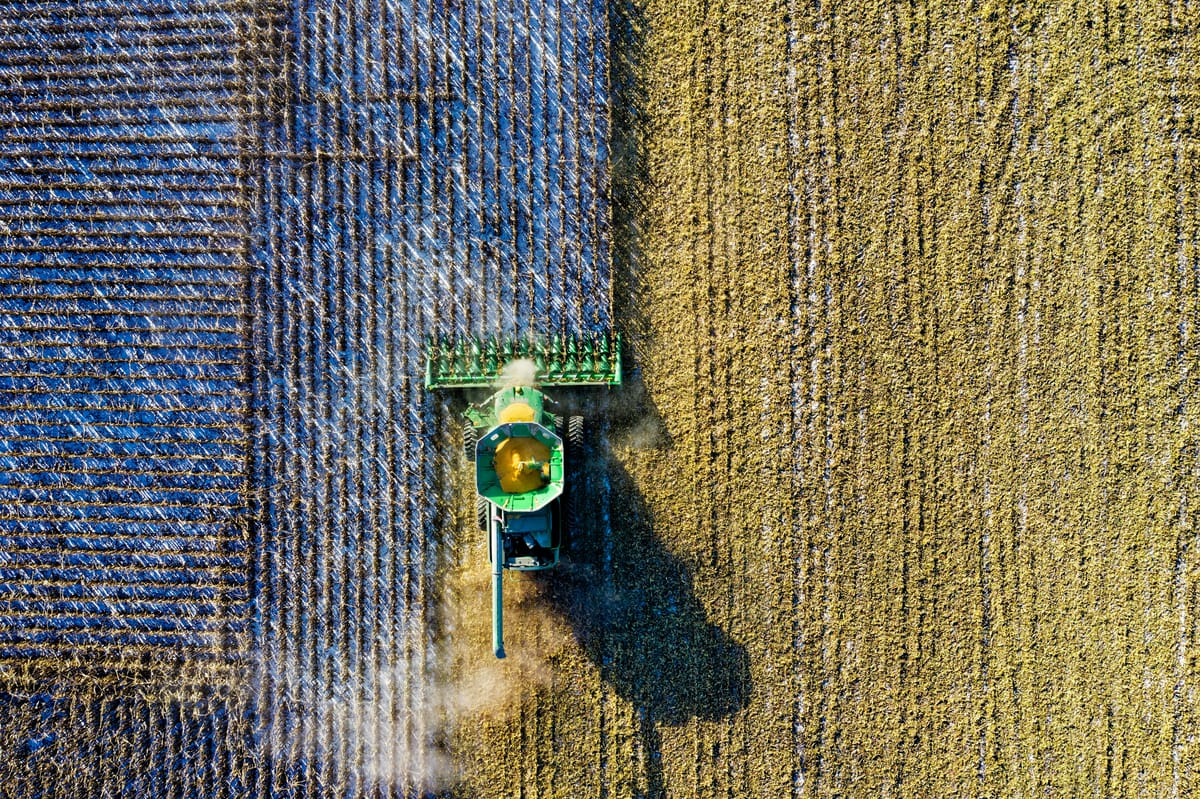
At the heart of the Growing a Sustainable Future, Together initiative is General Mills’ partnership with Walmart to advance regenerative farming practices across 600,000 acres of U.S. farmland by 2030. This goal aligns with both companies’ broader environmental sustainability commitments and reflects an industry‑wide shift toward climate‑forward agriculture.
Regenerative agriculture focuses on rebuilding soil health, enhancing water quality, increasing biodiversity, and supporting farmer profitability—while generating positive outcomes for people and the planet. Topsoil erosion, a major global concern, is a key target for these sustainable practices.
Collaborating with Local and National Partners
To accelerate progress, General Mills and Walmart have provided grants—backed by the National Fish and Wildlife Foundation—to organizations that help farmers adopt regenerative practices.
These efforts are underway in critical wheat‑growing regions of the Northern and Southern Plains, areas that supply key ingredients for major food brands like Pillsbury and Blue Buffalo.
Partners include:
- Sustainable Food Lab, which works to mainstream sustainability in food systems.
- Cheney Lake Watershed, Inc., focused on improving water quality.
- Oklahoma Association of Conservation Districts, offering leadership and resources for land managers.
- University of Missouri Center for Regenerative Agriculture, promoting holistic health for people and ecosystems.
- Pheasants Forever and Ducks Unlimited, organizations dedicated to habitat conservation and wildlife stewardship.
These collaborations extend the initiative’s reach, empowering organizations at the community level and amplifying regenerative impact across landscapes and supply chains.
Why Regenerative Agriculture Matters
Regenerative agriculture is increasingly recognized as a vital strategy to mitigate environmental pressures while maintaining agricultural productivity. Healthy soils store more carbon, retain water more effectively during droughts, and support diverse habitats.
Engaging farmers in these practices not only benefits ecosystems but enhances resilience against climate volatility.
General Mills’ and Walmart’s shared investment in this approach embodies a practical model for corporate sustainability—one that is grounded in partnership, measurable progress, and community engagement.
Looking Ahead
As the initiative develops through 2030, progress toward the 600,000‑acre goal will be an important indicator of regenerative agriculture adoption at scale. With sustained collaboration among corporations, nonprofits, and farmer networks, General Mills’ efforts exemplify how coordinated action can drive tangible environmental change.
General Mills’ Growing a Sustainable Future, Together initiative highlights how strategic partnerships and targeted investments can foster regenerative agriculture and strengthen ecosystems. By aligning with Walmart and grassroots organizations, the company advances not just its own sustainability objectives but contributes to broader system‑wide resilience for food, land, and communities.
More about regenerative agriculture:
 Staff Report
 Staff Report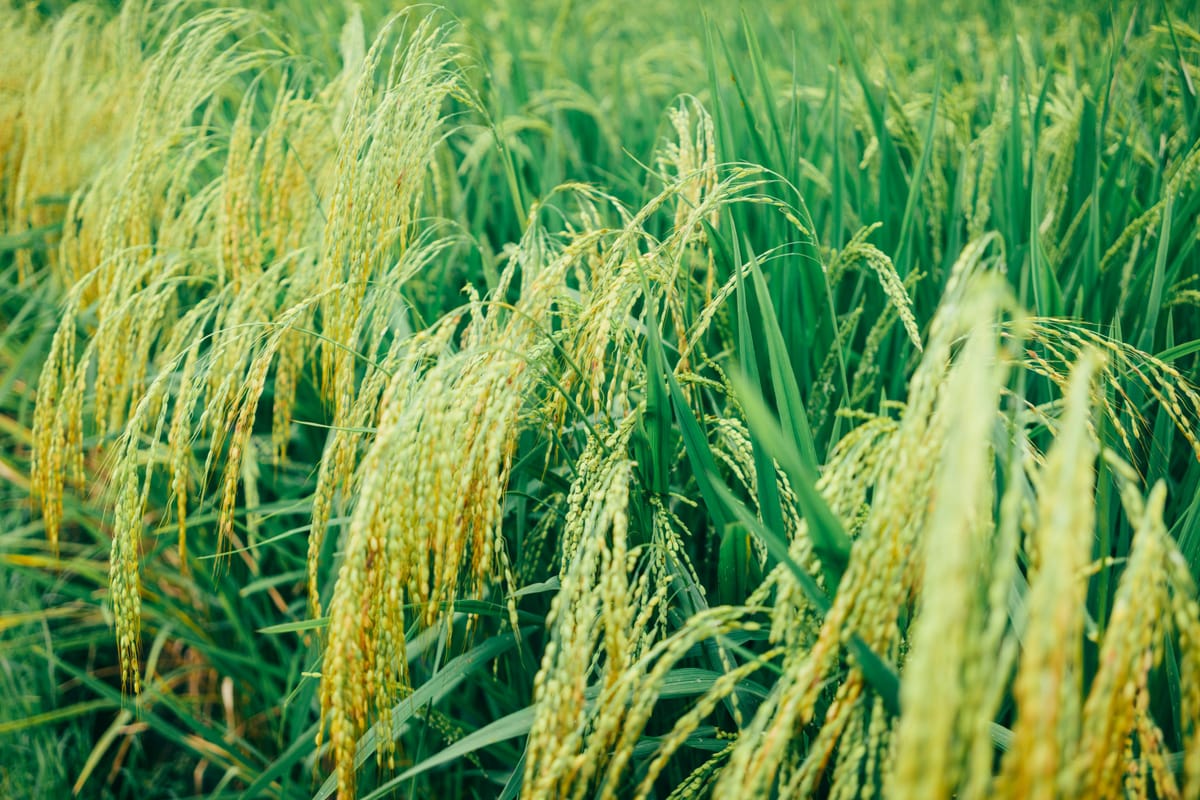
 Staff Report