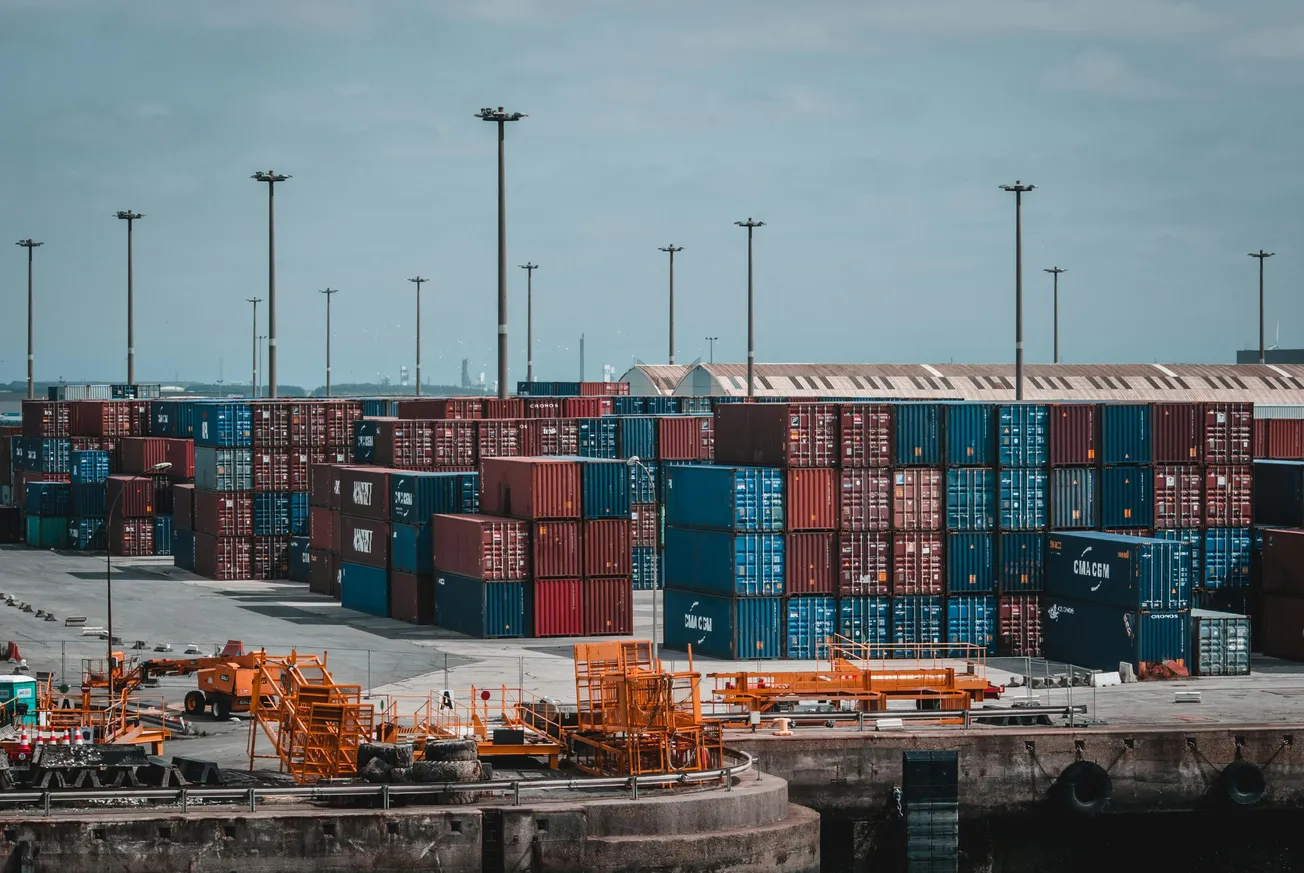
U.S. Imposes Phased Tariffs on Nicaraguan Goods Over Human Rights
The U.S. is phasing in tariffs on Nicaraguan imports due to labor and human rights concerns, challenging supply chains and sourcing strategies in 2026.


The U.S. is phasing in tariffs on Nicaraguan imports due to labor and human rights concerns, challenging supply chains and sourcing strategies in 2026.

The Fed lowered rates by 0.25% in December but signaled only one cut likely in 2026, maintaining a cautious stance amid persistent inflation.
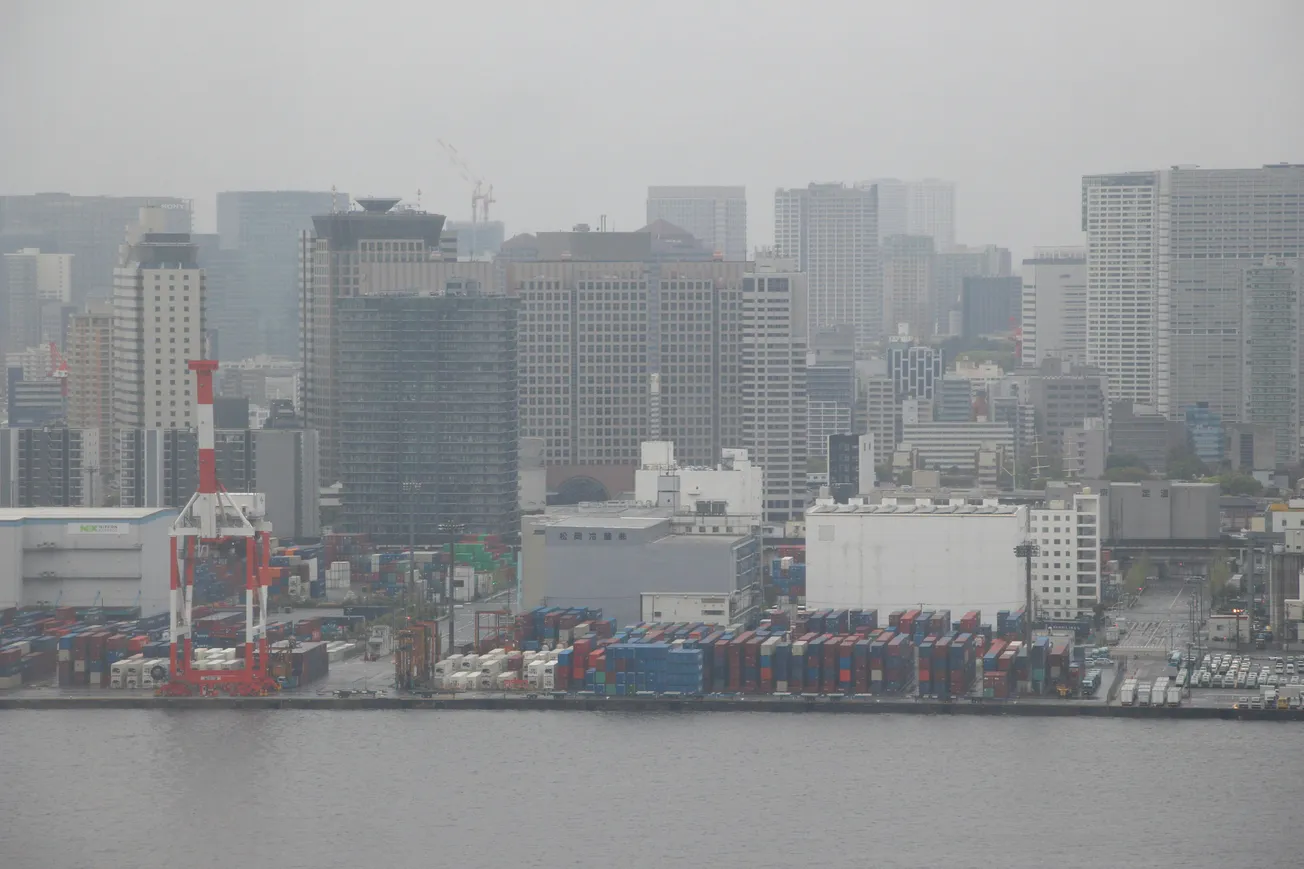
Ongoing tariff volatility and shifting trade policy threaten to squeeze retail margins and reshape supply‑chain strategies — making 2026 a critical pivot point for survival and adaptation.

The U.S. is threatening new tariffs on Mexico after treaty‑mandated water deliveries from the Rio Grande fell hundreds of millions of acre‑feet behind, reigniting tensions at the intersection of water, agriculture and trade.

A major food‑safety recall impacts shredded cheese sold at major U.S. retailers — consumers are urged to dispose of or return affected products after the FDA flagged possible metal fragments.

Costco has filed suit to safeguard its right to tariff refunds, challenging sweeping IEEPA‑based trade duties and underscoring risks to global supply‑chain sourcing and retail pricing.

Standard Bots’ CEO warned Congress that without a funded national robotics strategy, U.S. manufacturers risk being outpaced by subsidized foreign competitors, particularly from China.

The U.S. and U.K. have reached a zero-tariff agreement on pharmaceuticals, easing trade tensions and stabilizing supply chains amid rising NHS pricing commitments.

Thanksgiving dinner for 10 drops to $55.18 this year, driven by lower turkey costs. But produce prices rise, highlighting ongoing inflation and supply‑chain risks.
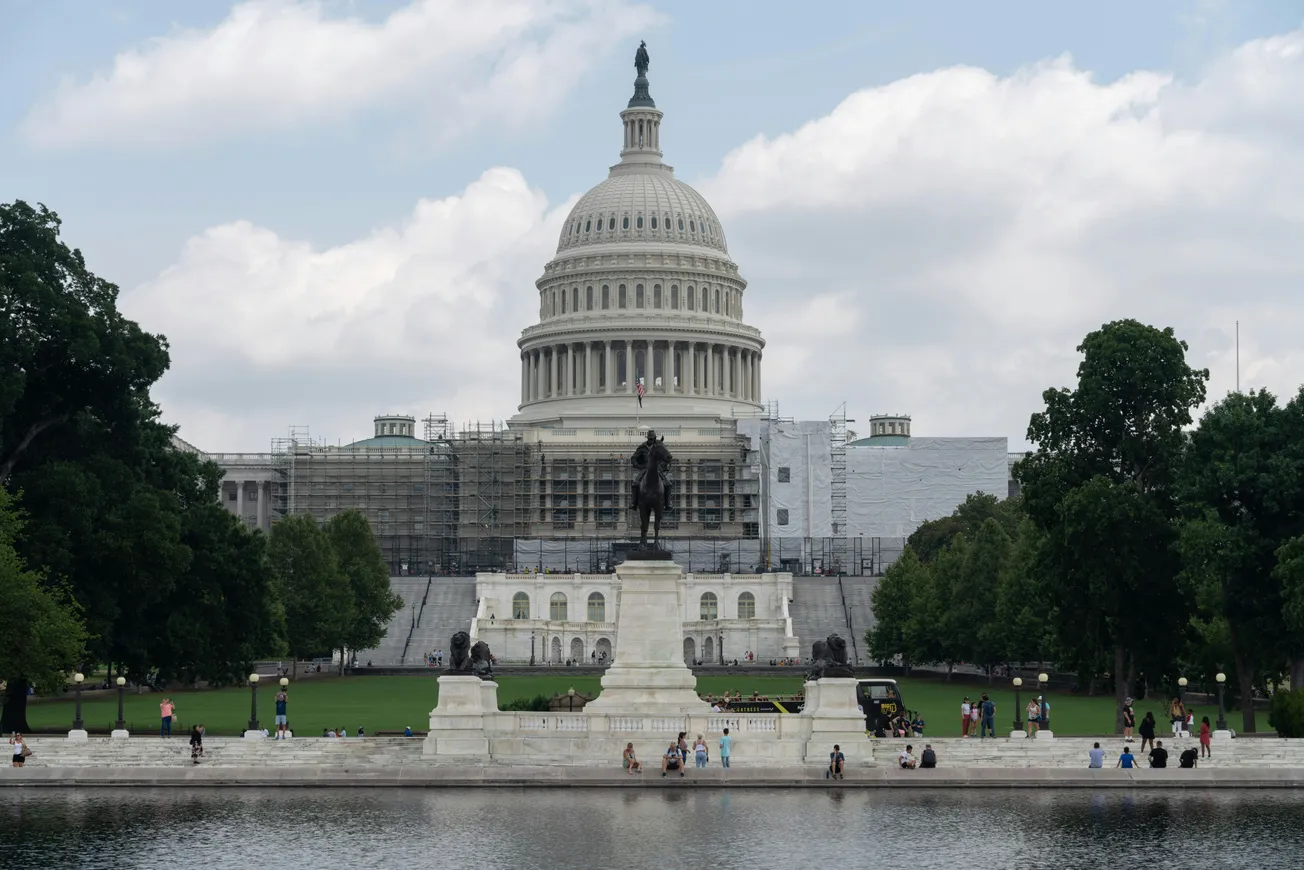
The CBO has cut its expected tariff‑windfall for the U.S. by $1 trillion, adjusting the projected deficit reduction from $4 trillion to $3 trillion under the Trump administration’s tariff regime.

USPS will raise rates in January 2026 across Ground Advantage, Priority Mail, and other services, impacting last-mile logistics and retail shipping costs.
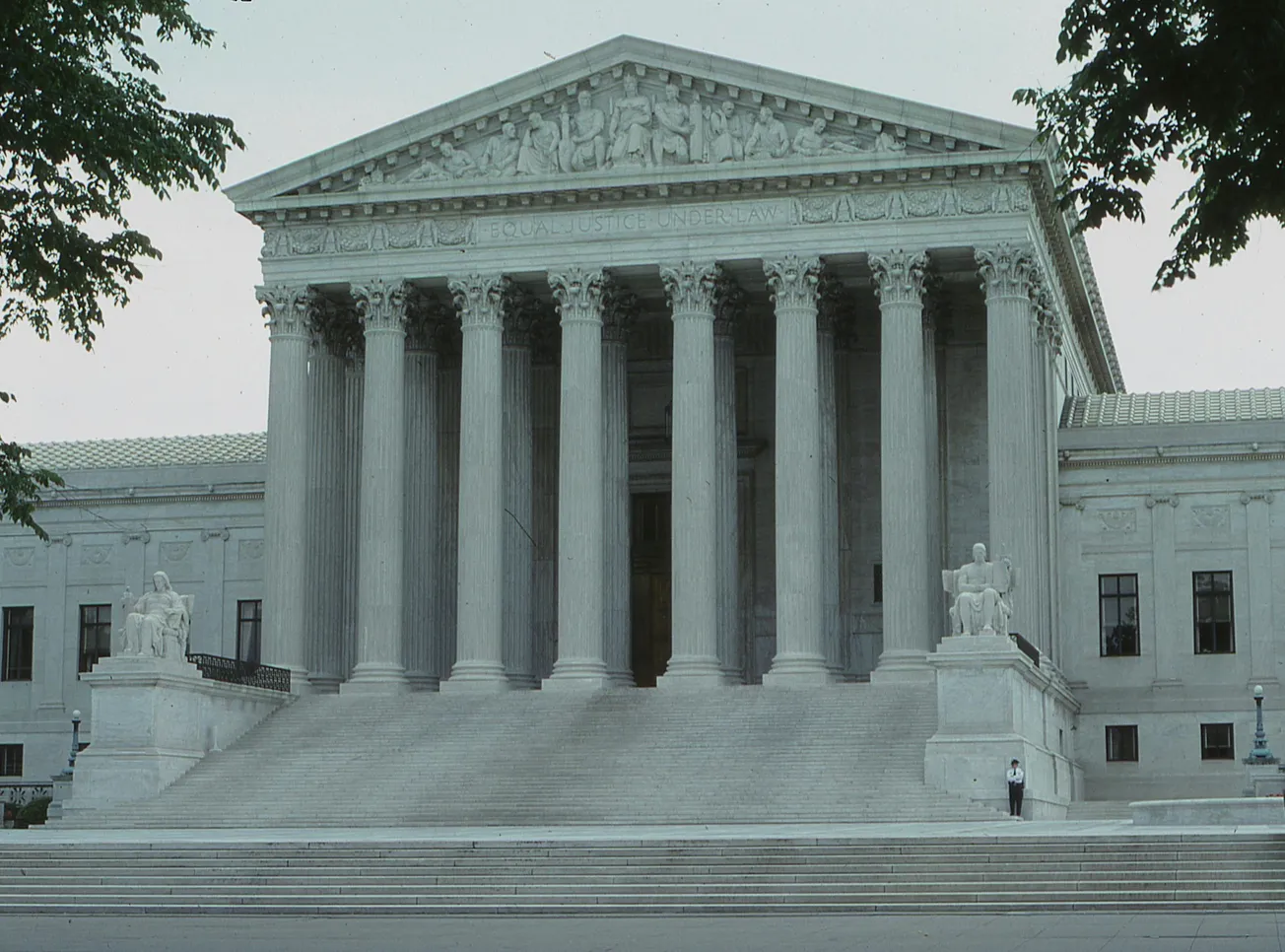
A Supreme Court case questioning Trump's emergency tariff authority could reshape sourcing strategies across retail and supply chain sectors.

The U.S. has lifted tariffs on key agricultural imports like coffee, tea, and bananas, signaling trade deal progress and easing omnichannel food supply pressures.
New York’s proposed pricing transparency law could fine retailers like Walmart $250 per violation if online and in-store prices aren’t clearly disclosed.
A rally in the Dow Jones Industrial Average contrasts with weakness in the S&P 500 and Nasdaq Composite as investors balance optimism over the U.S. government shutdown ending with renewed worries about high‑flying AI valuations.
Geopolitical shifts and domestic policy turbulence are adding complexity to retail operations, supply chains, and consumer behavior.