
CBP Updates Tariff Refund Process: Electronic Payments & Eligibility
U.S. Customs and Border Protection transitions to electronic tariff refunds in 2026 and clarifies refund procedures amid tariff litigation and stacking overpayments.


U.S. Customs and Border Protection transitions to electronic tariff refunds in 2026 and clarifies refund procedures amid tariff litigation and stacking overpayments.

Transpacific ocean freight rates jumped early in 2026 as Lunar New Year demand and carrier rate increases lift prices, even amid broader market volatility in global shipping.

Markets reacted positively after Venezuelan leader Nicolás Maduro pled not guilty in U.S. court, with energy and defense stocks rallying on hopes of future economic opportunities.

One year after launch, New York City’s congestion pricing program has reduced traffic, boosted transit ridership, and generated substantial revenue, even as air quality impacts remain mixed.
Explore how 2025 reshaped global supply chains through tariffs, labor strikes and unexpected disruptions — and what it means for resilience in 2026.
U.S. manufacturing activity dropped to its lowest level of 2025 as weak demand and tariff uncertainties continued to drag on production and business sentiment.
Elon Musk claims AI will eliminate poverty and make saving money obsolete, calling for a future of universal high income amid rollout of Trump accounts.
The U.S. outlines key priorities ahead of the 2026 USMCA review, focusing on supply chain resilience, trade enforcement, and regional competitiveness across North America.

Get ready for 2026: Learn how to prepare for future tariff changes through supply chain diversification, compliance tools, and sourcing strategies.

Uber Eats and DoorDash have sued New York City to block a new law requiring tipping prompts at checkout, arguing it violates free‑speech rights and could increase costs for consumers.
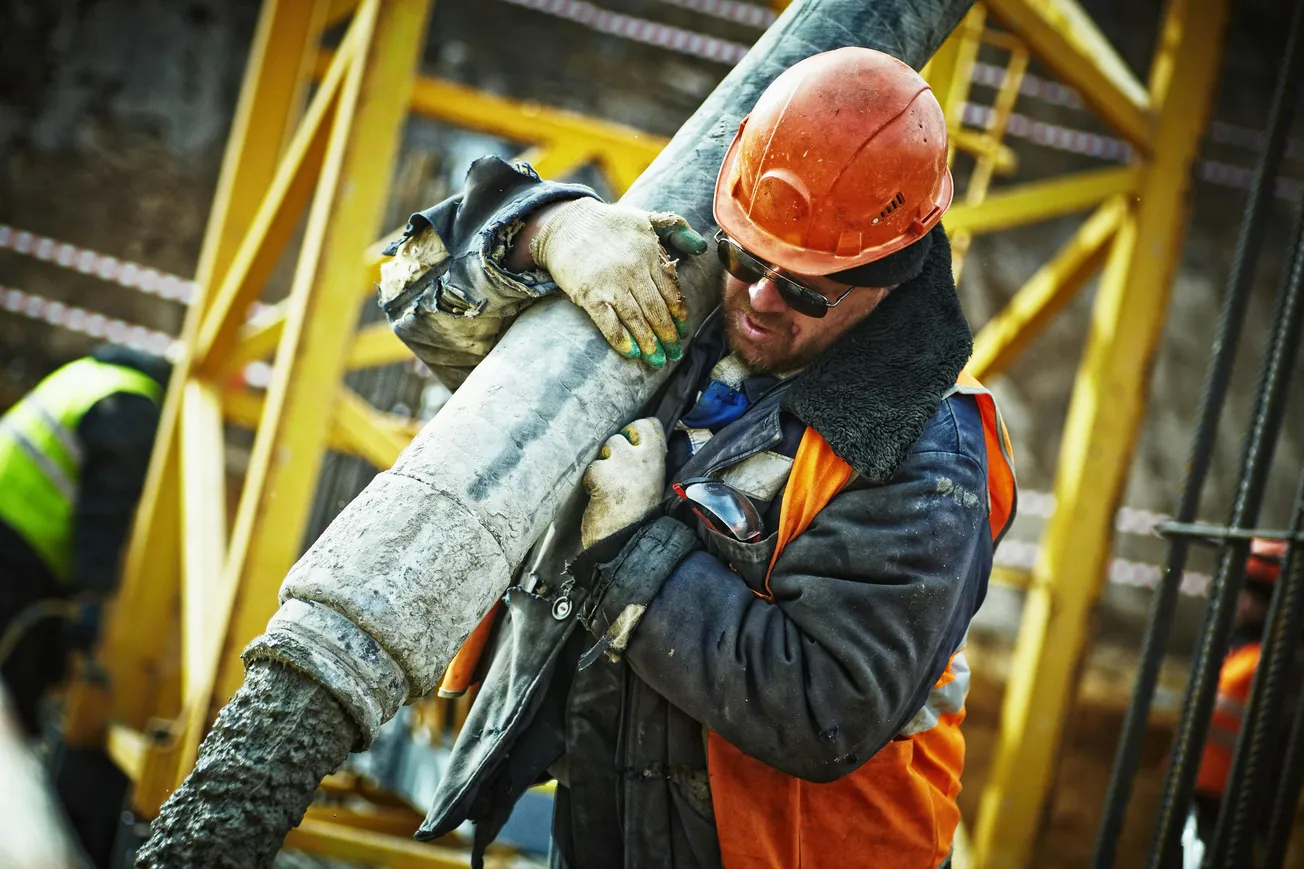
The long‑awaited U.S. jobs report showed weak overall employment growth and a rising unemployment rate, reflecting slowing labor market momentum amid economic uncertainty.
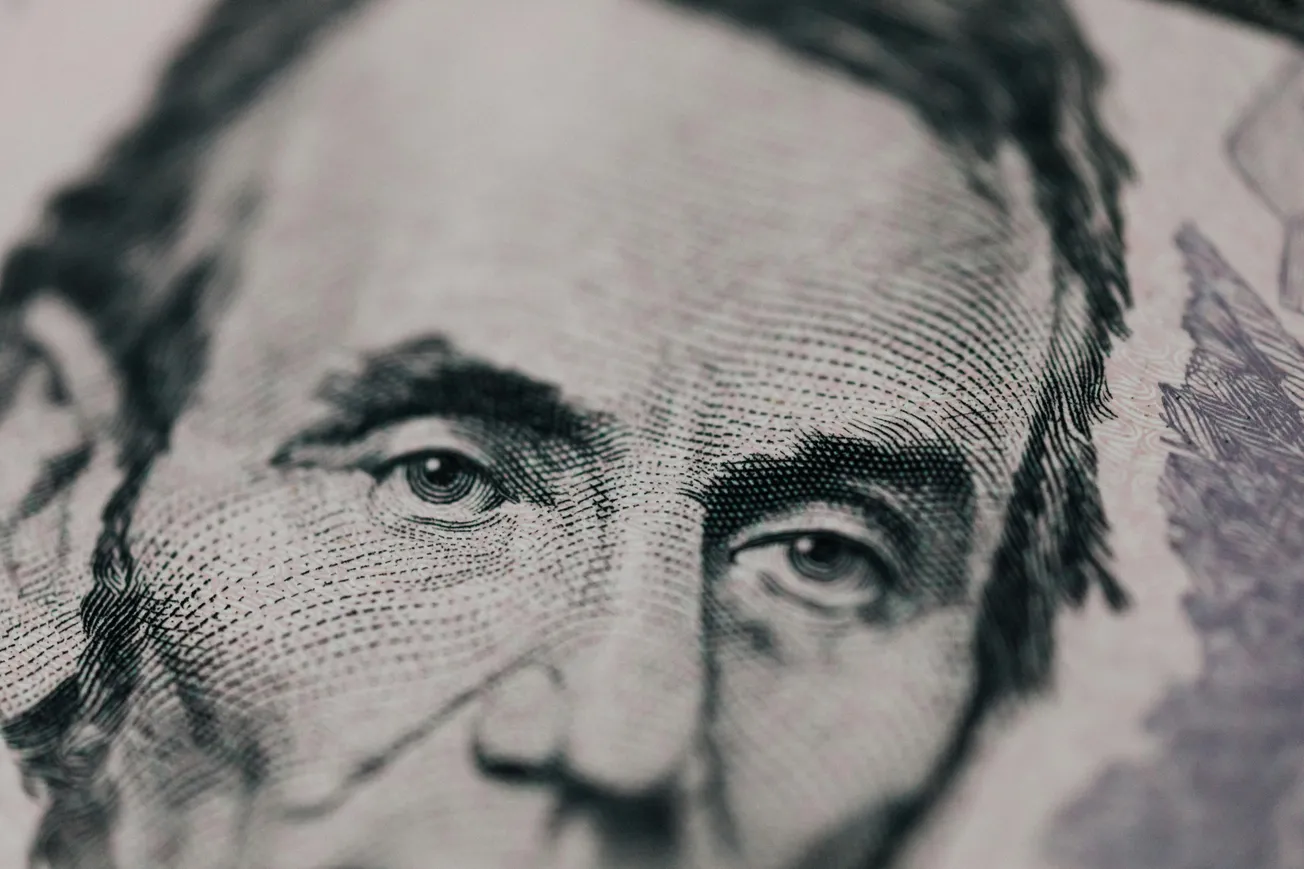
The U.S. government has already collected roughly $1 billion in new tariff revenue after closing the de minimis loophole, with duties of 10 %–50 % on previously exempt imports.

Walmart addresses food safety concerns after razor blades were found in bread at Biloxi stores and faces ongoing product recalls flagged by the FDA.
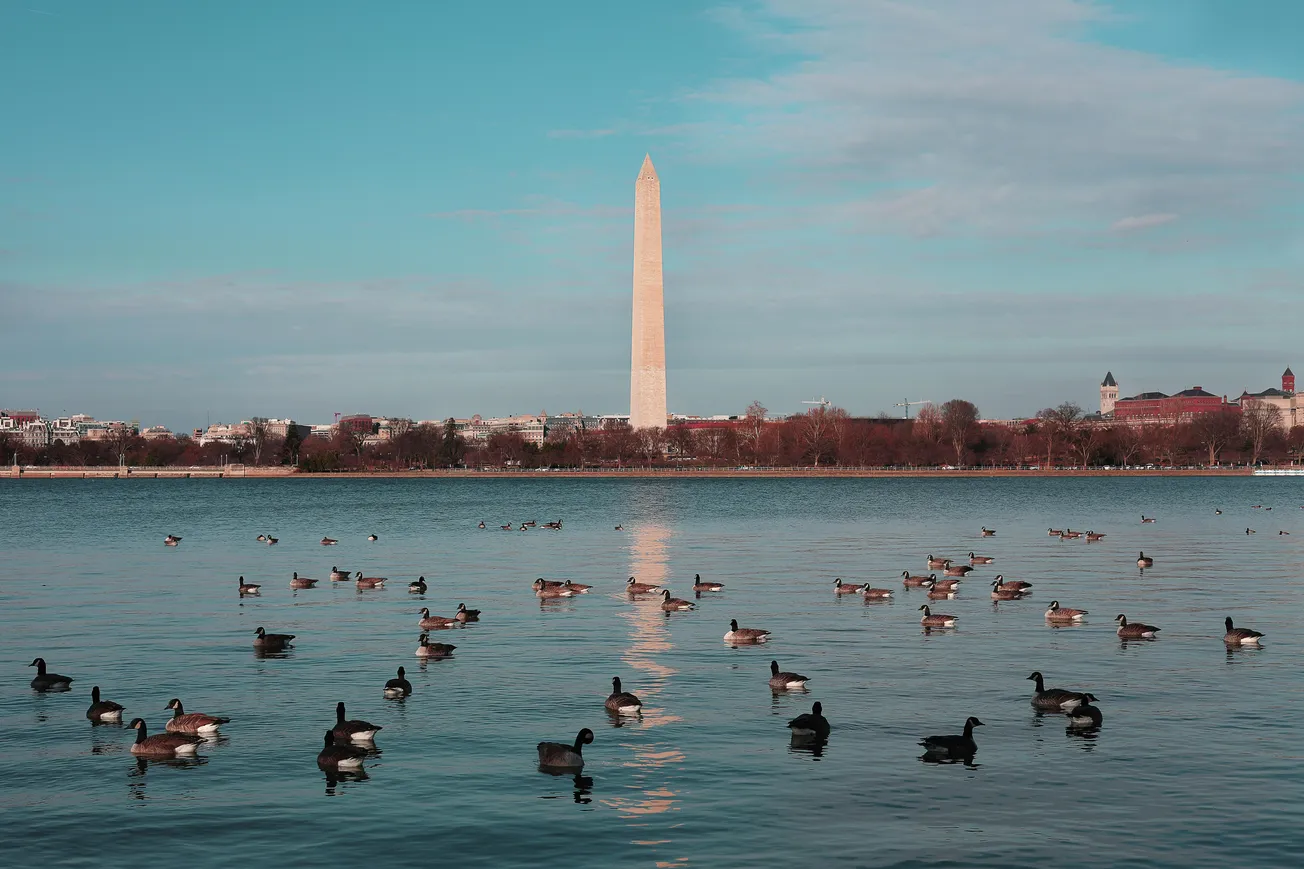
Federal and state tensions over artificial intelligence regulation are deepening in Washington, with debates over centralized oversight, states’ rights, and AI’s societal risks reshaping tech policy.

New York Fed President John Williams says recent Fed action leaves monetary policy in a good position heading into 2026, expecting inflation to moderate and balanced economic growth.

Tesla’s board of directors has earned more than $3 billion in stock‑based compensation over two decades, far exceeding peer norms and prompting debate about director incentives and corporate governance.