
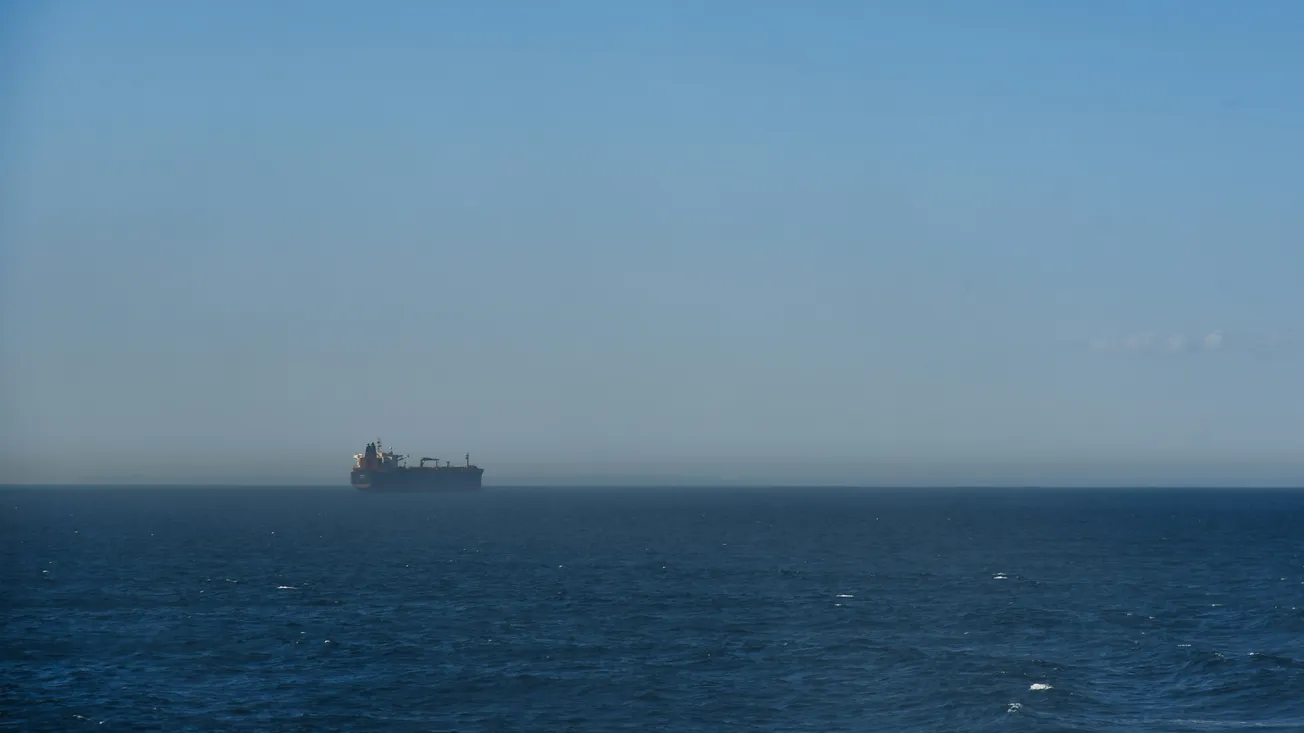
The global maritime industry is reeling from a massive "black swan" event that has effectively sidelined 10% of the world’s container fleet. Speaking at the TPM26 conference in Long Beach, California, Ocean Network Express (ONE) CEO Jeremy Nixon detailed the catastrophic ripple effects of the intensifying conflict in the Middle East, specifically regarding the closure of the Strait of Hormuz.
With approximately 100 container ships among the 750 vessels currently ensnared in the region, the industry is bracing for a period of extreme volatility, surging freight rates, and structural shifts in global trade lanes.
The Immediate Chokehold on Global Trade
The Strait of Hormuz is a critical maritime chokepoint, facilitating the passage of roughly one-fifth of the world’s oil supply and significant volumes of liquefied natural gas (LNG). However, the current military escalation between Iran and international forces has brought containerized trade to a virtual standstill in the region. Nixon noted that maritime insurers have largely ceased covering voyages through the strait, prompting major carriers—including ONE and MSC—to halt all bookings to the Middle East.
This cessation of service is not a localized issue. Because the global shipping network is an interconnected ecosystem, a disruption in the Middle East immediately impacts fluidity in major Asian hubs like Singapore and Port Klang. As vessels are forced to turn around or divert to alternate ports such as Colombo, Sri Lanka, or Fujairah, the sudden influx of cargo is expected to overwhelm terminal capacity. This "bunching" effect creates a logistical nightmare for port operators, leading to stack utilization crises and a breakdown in terminal efficiency.
Surging Costs and Economic Ripples
The financial implications of the conflict are already being felt across the supply chain. Freight rates are on an upward trajectory as effective capacity is sucked out of the market. Beyond the immediate loss of vessel availability, fuel prices are escalating rapidly. Nixon warned that if the closure of the strait persists beyond 25 days, oil production sites in the Middle East may have to curtail activity due to a lack of storage, potentially driving crude prices toward $100 a barrel.
Furthermore, war risk premiums have surged from 0.2% to 1% of vessel value in a matter of days. For a single voyage, this adds hundreds of thousands of dollars in operational costs. These expenses are inevitably passed down the supply chain, impacting the landed cost of goods for retailers and manufacturers globally. For the retail community in hubs like Bentonville, these disruptions necessitate a rapid reassessment of safety stock levels and lead-time expectations.
Long-Term Strategic Shifts
The current crisis has also halted any near-term plans for a return to the Red Sea. Carriers that had hoped to resume Suez Canal transits in 2026 are now forced to continue the lengthy and costly circumnavigation of Africa’s Cape of Good Hope. This diversion alone absorbs approximately 2.5 million TEUs of global capacity, keeping the market tighter than previously forecasted for the second half of the year.
The transition in leadership at ONE—with Till Ole Barrelet set to succeed Jeremy Nixon in July 2026—comes at a pivotal moment. The industry is moving toward a permanent state of "unpredictability as the operating model." Shippers are being urged to confirm bookings early, diversify their routing strategies, and consider air freight as a contingency, though air cargo capacity has also slumped by 26% in the region due to airspace closures.
As the industry navigates this latest disruption, the focus remains on resilience and visibility. The ability to adapt to sudden shifts in maritime security and port fluidity will define the winners in the omnichannel retail and supply chain sectors for the remainder of 2026.
More about supply chain:
 Andy Wilson
 Staff Report
 Staff Report