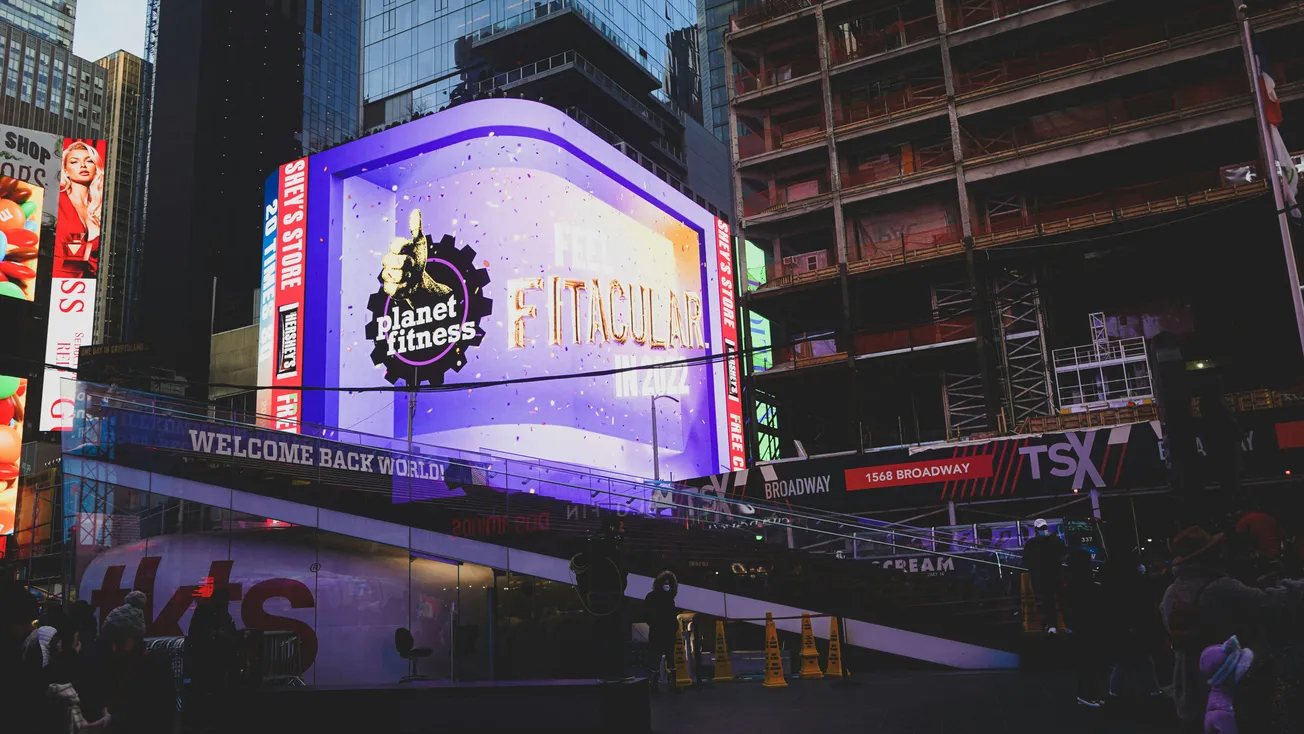
The landscape of the American shopping center is undergoing a physical and strategic transformation. As traditional department stores and "big-box" retailers continue to rationalize their footprints, fitness chains have emerged as the premier replacement anchors.
Brands like Planet Fitness, Crunch Fitness, and EōS Fitness are not just filling vacancies; they are fundamentally altering the economic dynamics of retail centers by driving consistent, high-frequency foot traffic that traditional retail often struggles to maintain in a digital-first world.
The Rise of the Wellness Anchor
In 2026, the concept of the "anchor tenant" has shifted from merchandise-heavy stores to service-oriented wellness hubs. Planet Fitness recently announced plans to open between 180 and 190 new locations this year alone, targeting a long-term goal of 5,000 U.S. clubs. Similarly, Crunch Fitness is accelerating its expansion with roughly 100 new gyms planned for 2026, fueled by the rollout of its "Crunch 3.0" design which emphasizes high-value, low-price (HVLP) accessibility alongside premium recovery amenities.
This shift is a response to a clear change in consumer behavior. Shoppers are increasingly prioritizing "experiences" and "health" over purely transactional shopping trips. For landlords, a fitness tenant offers a level of resilience against e-commerce that apparel or electronics stores cannot match. You cannot download a workout, and the communal aspect of physical gyms continues to draw Gen Z and Millennial demographics in record numbers.
Driving the Ecosystem: The "Halo Effect" on Co-Tenants
The primary value of a fitness anchor lies in its ability to generate "reoccurring foot traffic." Unlike a department store, which a customer might visit once a month, a gym member often visits two to four times per week. This high-frequency visitation creates a powerful "halo effect" for neighboring businesses.
Data from recent retail real estate outlooks suggests that grocery stores, salons, and quick-service restaurants (QSRs) see a measurable lift in sales when situated adjacent to a large-scale fitness facility. "The data showed that these uses drove longer dwell times and higher basket rings," noted industry experts during the 2026 Retail Forecast. Gym-goers often combine their workout with an essential errand—a phenomenon known as "trip-chaining"—which bolsters the overall health of theomnichannel retailecosystem.
Adaptive Reuse of Retail Real Estate
One of the most significant trends for 2026 is the adaptive reuse of "zombie" retail space. Fitness chains are increasingly moving into former Bed Bath & Beyond, Sears, and even grocery locations. These sites are ideal because they already possess the high ceilings, ample parking, and heavy-duty HVAC systems required for large-scale fitness operations.
Crunch Fitness, for instance, is utilizing a $5 million, 30,000-square-foot model for its newest facilities, integrating "HIITZones" and "Relax & Recover" areas that require significant infrastructure. By backfilling these large vacancies, fitness brands are stabilizing secondary and tertiary retail markets that might otherwise face obsolescence.
Strategic Considerations for Leadership
For corporate strategists and retail leaders, the "fitness-as-anchor" trend requires a new approach to co-tenancy and marketing. Brands located near these wellness hubs should consider:
- Aligned Promotions: Offering "post-workout" healthy meal options or athletic wear promotions to capture gym-goers.
- Operational Shifts: Adjusting store hours to align with peak gym times (early morning and post-work evening hours).
- Technology Integration: Leveraging mobile apps to offer geofenced discounts to customers as they check in at a neighboring gym.
As we move further into 2026, the divide between "transactional malls" and "lifestyle centers" will continue to widen. The centers that thrive will be those that embrace wellness, service, and community—with fitness chains leading the charge.
More about fitness:
 Staff Report
 Dan Craft
 Staff Report