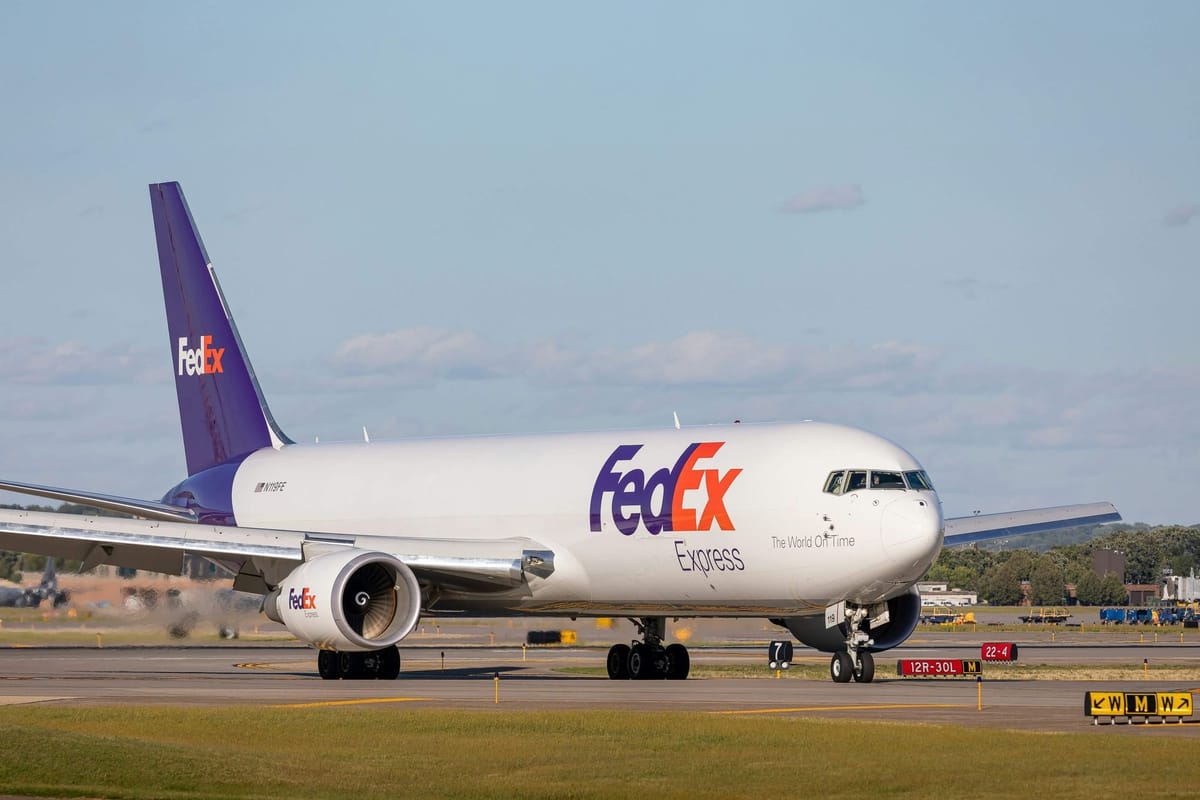

FedEx is accelerating a sweeping transformation of its U.S. and Canadian delivery network that will see the closure of over 475 stations — roughly 30% of its current facility footprint — as part of its multiyear Network 2.0 overhaul.
The plan, unveiled during the company’s 2026 Investor Day presentation, reflects one of the largest network consolidations in FedEx’s history and signals a strategic shift in how the logistics giant structures its parcel operations.
What Network 2.0 Means for FedEx
Network 2.0 is FedEx’s ambitious effort to combine its historically separate Express and Ground operations into a unified, more efficient system. By eliminating duplicated pickup and delivery routes, standardizing processes, and concentrating volume through optimized facilities, the carrier expects material improvements in both cost and service.
According to FedEx COO-elect Scott Ray, more than 200 stations have already been closed under the program, and the focus is now shifting toward larger metropolitan markets like San Francisco. By the 2026 peak season, about 65% of FedEx’s eligible average daily volume in the U.S. and Canada is expected to flow through “optimized” Network 2.0 sites, up from 25% at the time of the disclosure.
Strategic Drivers Behind the Station Closures
The primary goals of the station closures and network consolidation include:
- Cost reduction: FedEx anticipates approximately $2 billion in savings by the end of 2027 as overlapping infrastructure and redundant routing are eliminated.
- Simplified operations: Combined Express and Ground routing reduces complexity for dispatch and delivery teams, allowing for more efficient resource allocation.
- Enhanced service reliability: Consolidation enables the carrier to establish dedicated routes for high-priority shipments and balance capacity across its network more dynamically.
FedEx has emphasized that it aims to maintain — and in some cases improve — service levels even as facilities are shuttered. The company plans to use technology such as real-time package visibility tools and predictive analytics to help forecast demand, mitigate congestion, and reroute freight ahead of disruptions.
Impacts on Supply Chains and Shippers
For shippers and supply chain planners, the Network 2.0 initiative and resulting station closures have several potential implications:
- Network footprint shifts: Parcel pick-up and drop-off points may change as FedEx retires legacy facilities, especially in smaller markets. Shippers should monitor routing changes and adjust logistics plans accordingly.
- Service pattern changes: Consolidated pickup scheduling could simplify some logistics workflows, especially for customers who previously managed separate Express and Ground appointments.
- Cost and pricing dynamics: Operational savings achieved through Network 2.0 may eventually influence pricing structures, particularly for high-volume shippers.
While closures are part of the broader Network 2.0 rollout, FedEx continues to emphasize the centrality of maintaining reliable service for its customers. The company’s approach of establishing dedicated high-priority routes and leveraging analytics is designed to ensure performance does not degrade even as infrastructure changes.
Broader Industry Context
The consolidation trend at FedEx mirrors broader pressures within the logistics industry, where carriers are seeking efficiencies amid slowing volume growth and evolving e-commerce patterns. Competitors like UPS have historically operated more integrated networks, and FedEx’s strategic shift represents an effort to close operational gaps and fortify its competitive position.
What’s Next
As Network 2.0 continues to scale through 2026 and into 2027, FedEx’s move to close hundreds of stations will remain a focal point for supply chain stakeholders. The ongoing transition offers both challenges and opportunities for shippers, particularly as route structures change and carriers innovate to balance efficiency with service commitments.
In summary, the FedEx Network 2.0 initiative is reshaping one of North America’s largest delivery networks, with more than 475 station closures slated as part of the consolidation effort. By unifying Express and Ground functions, FedEx is betting on streamlined logistics, lower operating costs and a more competitive service model — even as the logistics landscape evolves rapidly around it.
More about FedEx:
 Staff Report
 Staff Report
 Dan Craft