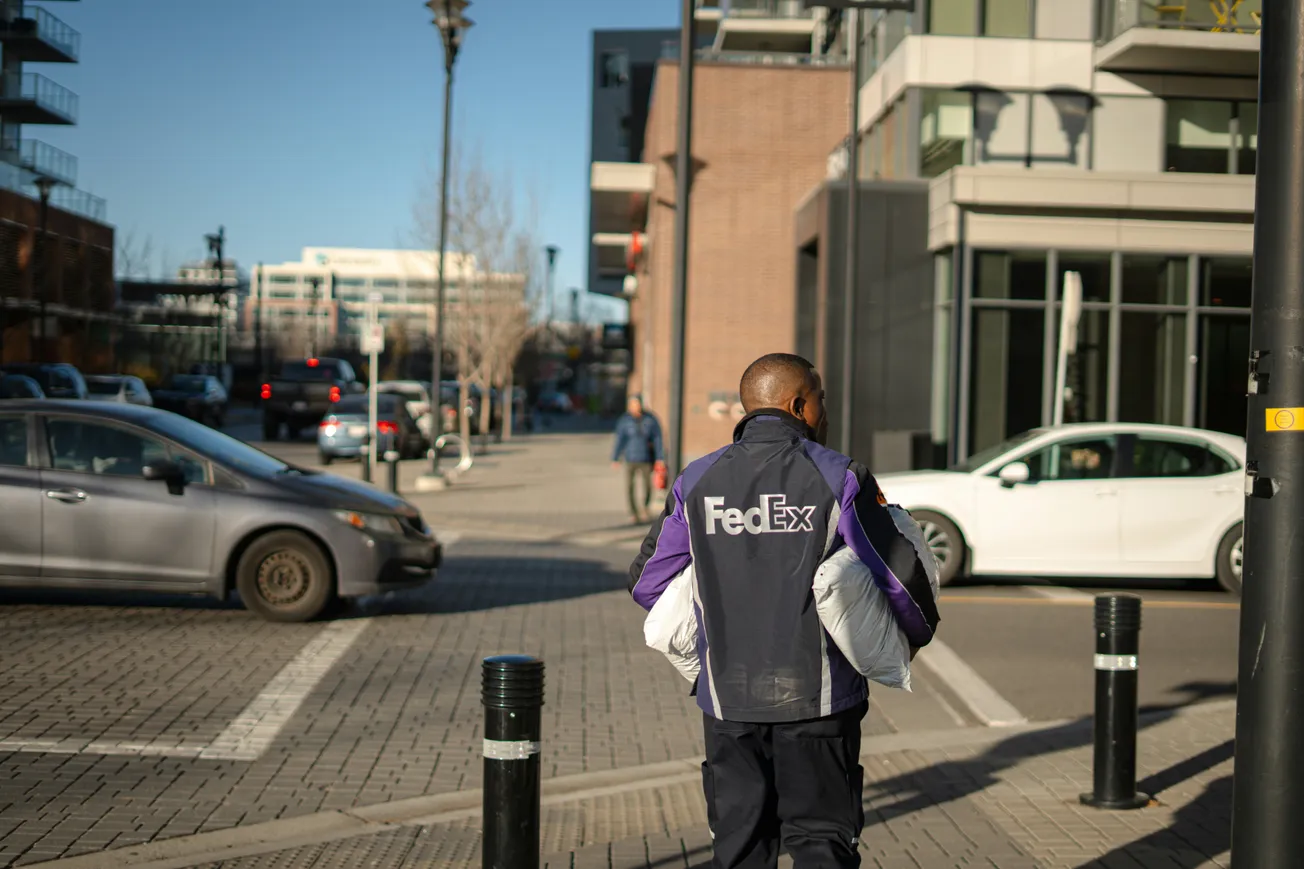

The global logistics landscape is undergoing a massive structural shift as FedEx moves forward with its "Network 2.0" initiative. This ambitious multi-year program, designed to consolidate the company's previously siloed Express and Ground segments into a single, unified delivery network, has reached a critical implementation phase.
According to reporting from Supply Chain Dive, the integration is resulting in the closure of dozens of facilities and subsequent layoffs as the carrier seeks to eliminate redundancies and improve operational margins.
For the Bentonville business community—a region where logistics efficiency is the lifeblood of the retail ecosystem—these changes at FedEx serve as a significant indicator of the broader trend toward leaner, more integrated supply chains. As retailers and vendors in Northwest Arkansas rely on these carriers to fulfill the promise of omnichannel retail, the evolution of FedEx’s infrastructure directly impacts how goods move from local warehouses to global consumers.
Streamlining the Path to Omnichannel Excellence
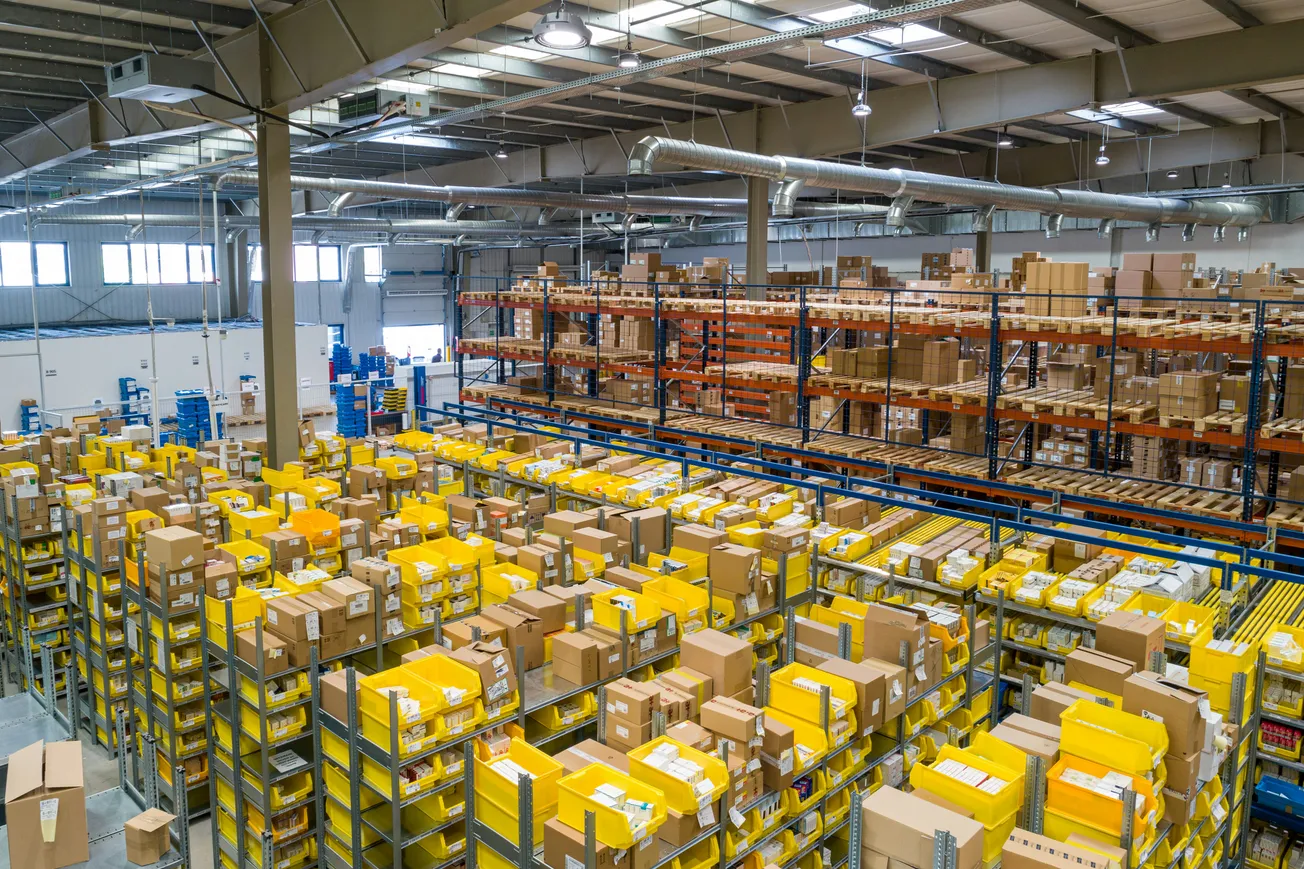
The primary goal of Network 2.0 is to create a more efficient interconnection between different shipping speeds and modes. Historically, FedEx Express and FedEx Ground operated as independent networks, often resulting in two separate trucks visiting the same address on the same day. By merging these operations, FedEx aims to reduce "miles driven" and optimize its physical footprint.
However, this drive for efficiency comes with significant local impacts. As the company identifies overlapping territories, it is closing smaller, underutilized stations in favor of larger, automated hubs. This transition mirrors the "Regeneration" seen in other sectors of the industry, where legacy manual processes are being replaced by high-tech, high-capacity infrastructure.
For corporate strategy leaders, the FedEx model highlights the difficult balance between achieving long-term fiscal health and managing the immediate challenges of workforce displacement.
Technology and Automation as Consolidation Catalysts
The move toward a unified network is heavily dependent on advanced technology and predictive analytics. To successfully merge two distinct logistics cultures, FedEx is leveraging sophisticated software to manage route optimization and sortation. This technological backbone allows the company to maintain service levels even as it reduces its total number of physical locations.
In the context of the shopper journey, these backend changes are designed to be invisible to the consumer while providing the reliability required for modern e-commerce. As shopper behaviors evolve, the demand for convenience and speed only increases.
By modernizing its network, FedEx is attempting to break down the barriers of traditional logistics, ensuring it can compete with increasingly sophisticated in-house delivery networks operated by major retailers.
Impact on Labor and Regional Logistics Hubs
The ongoing layoffs and facility closures underscore the changing nature of labor within the supply chain. As FedEx shifts toward more centralized, automated operations, the roles of associates and drivers are being redefined. This shift emphasizes the need for a "symphony of experts" to manage the complex transition, ensuring that the human element of delivery is supported by robust systems and clear communication.
For Northwest Arkansas stakeholders, monitoring these closures is essential for maintaining supply chain resilience. As one of the nation’s premier logistics hubs, Bentonville serves as a focal point for coordinating with experts across the transportation sector. Understanding how a major carrier like FedEx reconfigures its network allows local vendors and agencies to adjust their own shipping strategies and fulfillment expectations accordingly.
Looking Ahead: A More Agile Logistics Future
While the current phase of Network 2.0 involves painful consolidations, FedEx leadership remains committed to the long-term vision of a more agile and profitable enterprise. The company expects the initiative to generate billions in cost savings by the end of the decade, which it intends to reinvest in further technological advancements and service enhancements.
As the digital landscape continues to drive changes in how products are bought and sold, the logistics industry must remain in a state of constant evolution. The FedEx transformation is a clear example of how corporate strategy is adapting to the demands of a high-tech, omnichannel world—prioritizing efficiency, data integration, and a unified approach to global commerce.
More about FedEx:
 Staff Report
 Staff Report
 Staff Report