
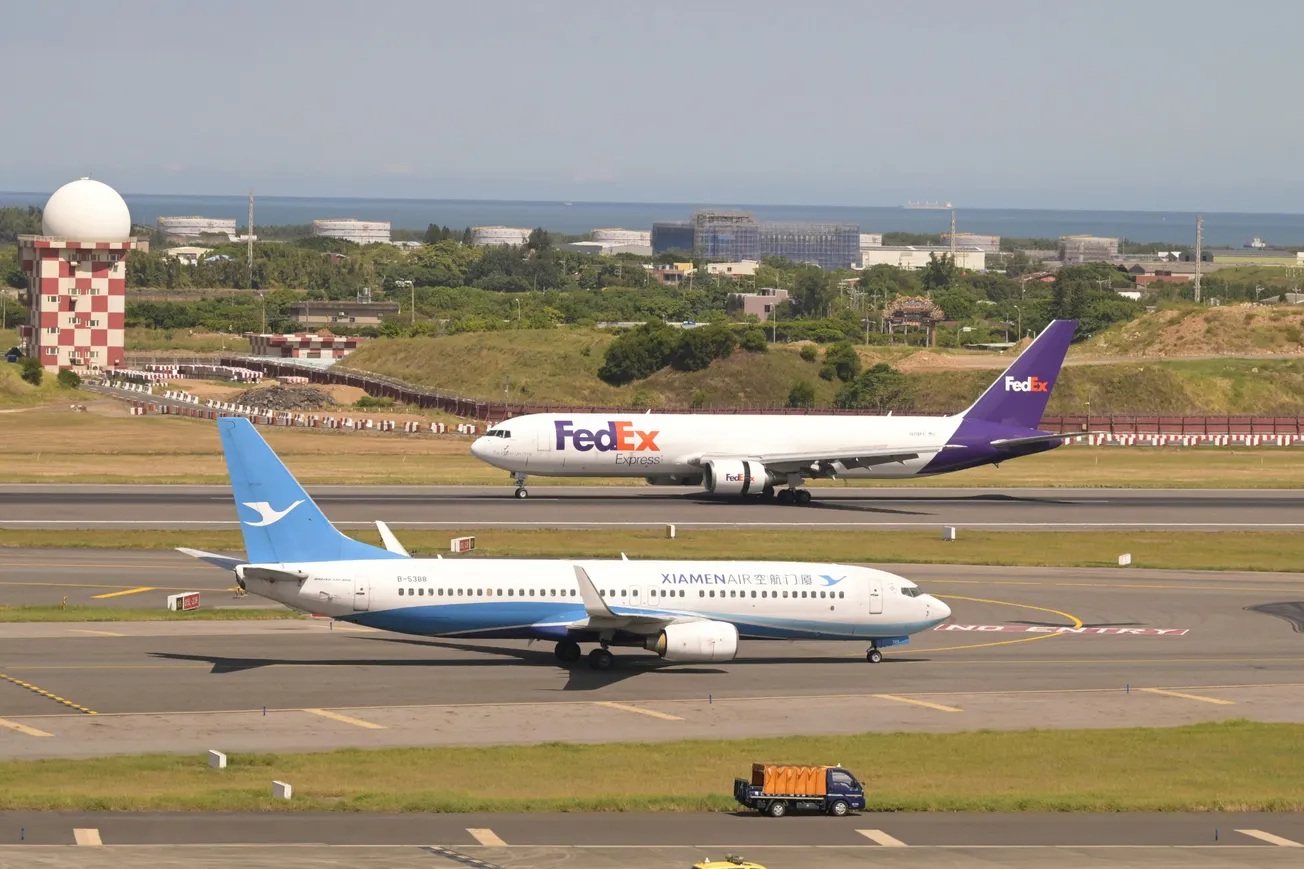
FedEx is facing heightened operational strain and financial impact as the grounding of its Boeing MD‑11 cargo aircraft cuts into air freight capacity during one of the busiest shipping periods of the year. Regulators and industry leaders have warned that this disruption could reverberate across parcel delivery networks and the broader supply chain throughout the 2025 holiday peak.
The carrier expects the grounding — a result of an FAA emergency directive following a fatal UPS MD‑11 crash in November — to cost around $175 million in extra capacity expenses as it leans on third‑party air cargo, leased aircraft, and ground transport alternatives to fill the gap left by its idle MD‑11s. FedEx CFO John Dietrich noted that the spike in outsourcing costs will be particularly acute in December during peak demand.
MD‑11 jets have historically formed a meaningful portion of FedEx’s long‑haul capacity, and their absence forces the logistics giant to shift freight to other aircraft types, trucks, and freight partners to meet customer expectations. Aviation experts have said that with deliveries expected to rise about 5% year‑over‑year this holiday season, carriers are scrambling to keep pace without the usual airlift capacity.
Operational challenges aren’t limited to aircraft capacity. FedEx crews are also feeling the strain of scheduling changes and expanded contingencies, from rebooking hotels for pilots at layover cities to reallocating workloads across teams. Pilots’ associations report peak‑season pressure on schedules and resources as the grounded fleet continues to affect normal operations.
Industry analysis indicates that the MD‑11 grounding’s effects may extend into 2026 as inspections and FAA clearances continue. While contingency plans aim to mitigate service disruptions, supply chain stakeholders — including shippers and retailers — may still experience longer transit times or higher costs as air cargo adapts to capacity constraints.