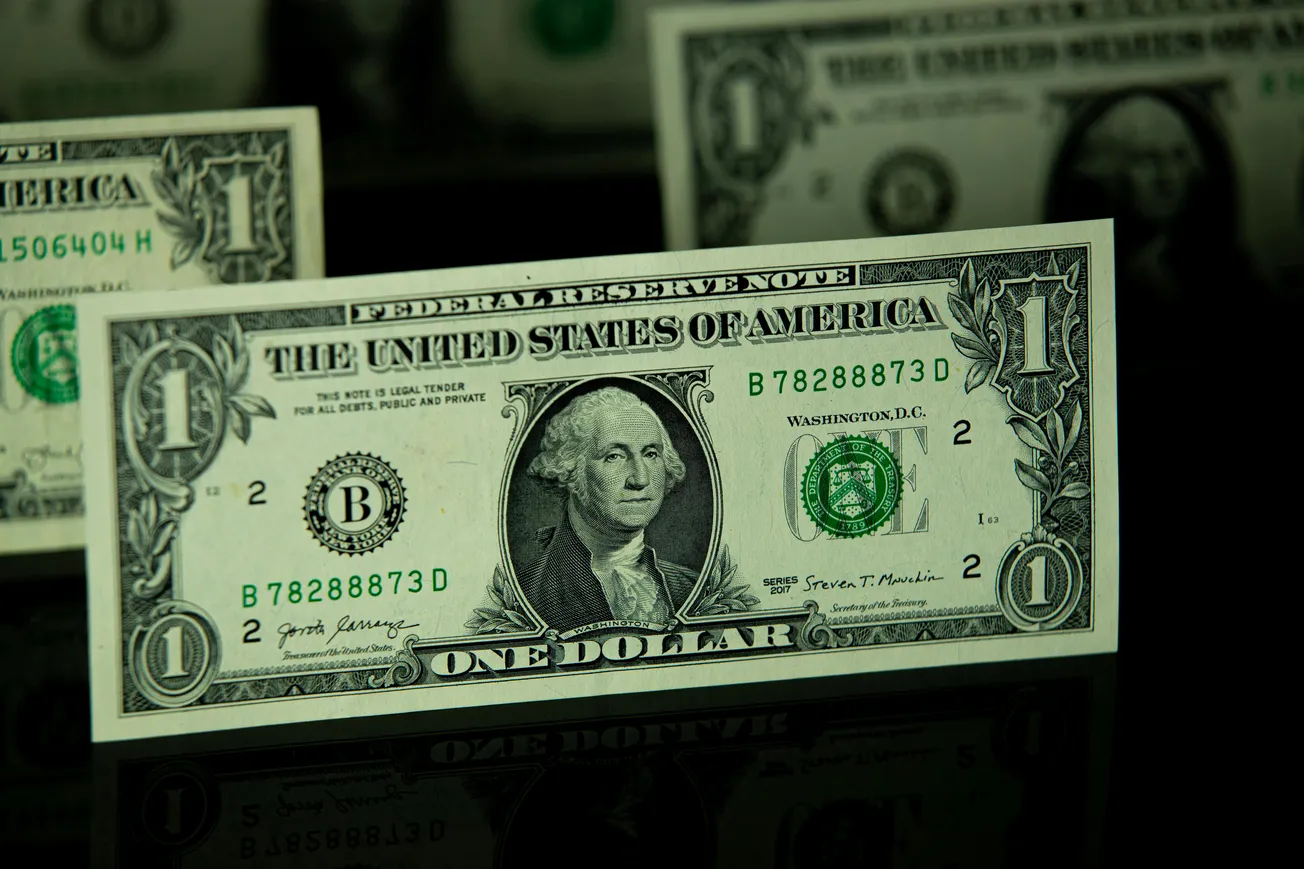
The Federal Reserve cut its benchmark interest rate by 25 basis points on December 9, 2025, bringing the target range to 4.75%–5.00%—its first reduction in over a year. However, the central bank tempered expectations for further relief, projecting just one additional rate cut in 2026, according to its updated economic forecasts.
Persistent Inflation and a Cooling Labor Market
The modest cut reflects a cautious approach amid mixed economic signals. While inflation has retreated from its post-pandemic highs, core price pressures remain sticky. The Fed now projects PCE inflation at 2.4% for 2025, above its 2% target, with a gradual return to that level by late 2026.
The labor market, meanwhile, is beginning to show signs of cooling. Unemployment is forecast to rise slightly to 4.2% in 2026, up from 3.9% currently—still historically low, but a signal of decelerating job growth.
What It Means for Retailers and Supply Chains
For companies managing inventory, logistics, and capital expenditures, the Fed’s decision sends a clear signal: monetary policy will remain restrictive well into 2026. Borrowing costs for warehouse expansion, vehicle fleets, or supplier financing will likely stay elevated.
Still, a stable (if high) rate environment may offer planning certainty. Freight volumes and consumer demand, both sensitive to interest rates and credit conditions, may continue to face soft pressure through mid-2026 unless economic activity accelerates.
Outlook: Patience Required
In short, the Fed is taking a “wait-and-see” approach. One rate cut may offer modest relief, but the central bank is committed to its inflation fight—and isn’t likely to pivot sharply unless the economy slows more than expected.