The landscape of retail logistics is currently undergoing its most significant architectural shift since the introduction of enterprise resource planning (ERP) systems. As the industry moves further into the era of omnichannel retail, the transition from rigid mainframe-based legacy systems to fluid, autonomous AI agents is not merely a technical upgrade; it is a fundamental redesign of how goods move through the global economy.
In the epicenter of this evolution sits Bentonville, Arkansas, where the concentration of retail expertise and technological investment is driving the next generation of supply chain design.
The Legacy of Mainframe Constraints
For decades, supply chain management relied on centralized mainframe computing to handle massive datasets. While these systems provided the backbone for the first wave of global retail expansion, they were inherently siloed and reactive.
Decisions were based on historical data batches, often leaving retailers a step behind shifting consumer behaviors. In a modern omnichannel environment, where the distinction between an e-commerce order and an in-store purchase has blurred, the latency of legacy systems represents a significant barrier to efficiency.
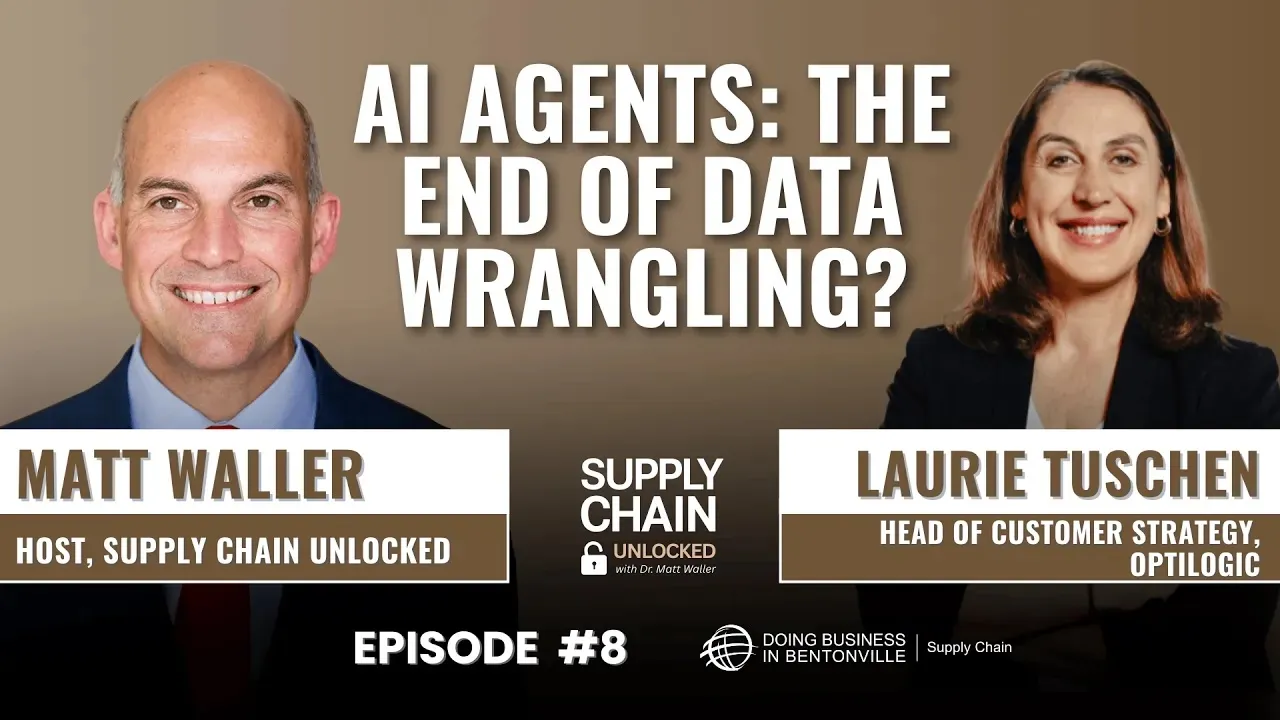
According to insights from industry leaders like Laurie Tuschen, the industry is moving away from these "black box" models toward transparent, interconnected ecosystems. The goal is to move from descriptive analytics—understanding what happened—to prescriptive and autonomous actions that anticipate what will happen next.
The Rise of Autonomous AI Agents
The current frontier of supply chain design involves the deployment of AI agents. Unlike traditional software that requires constant manual input, these agents are designed to observe environment changes, reason through complex variables, and execute tasks independently.
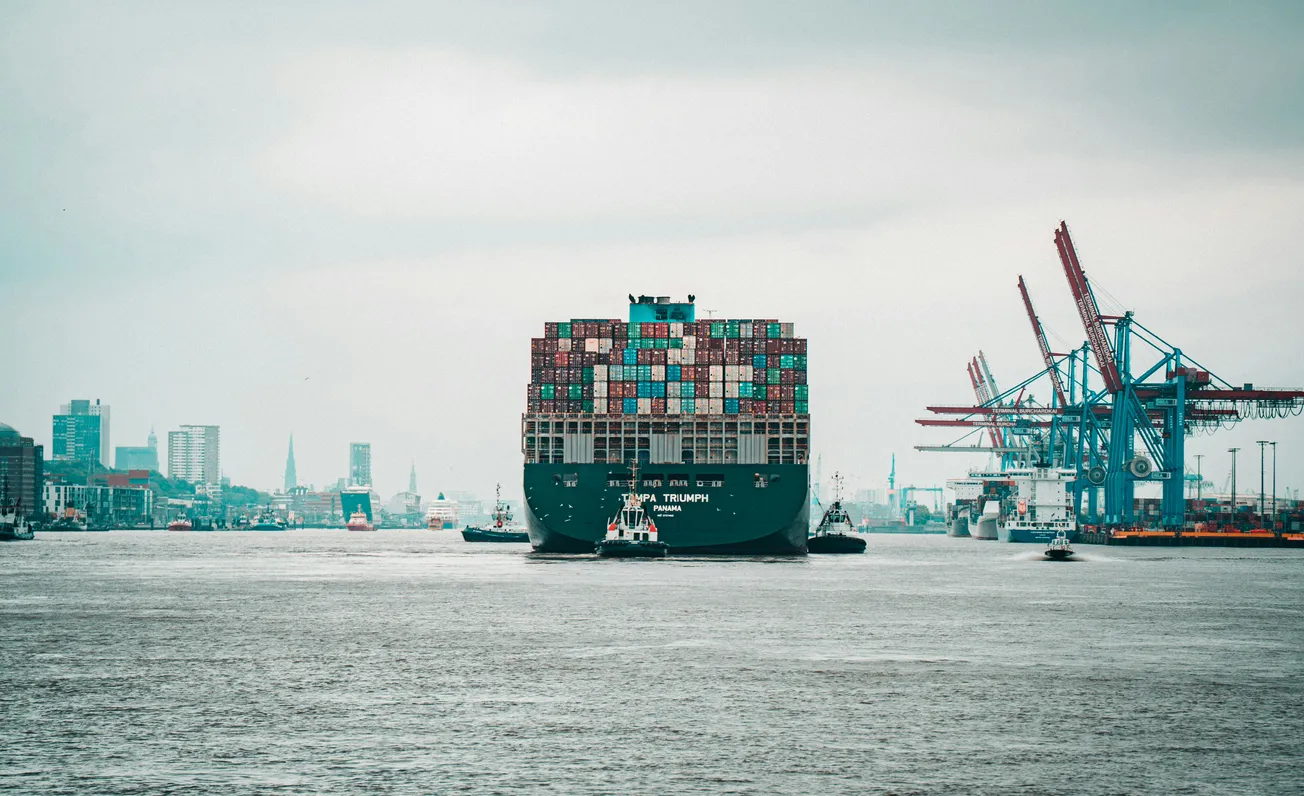
In the context of logistics, this means systems that can reroute shipments in real-time due to weather disruptions or automatically adjust inventory levels across a "spoke and hub" network based on hyper-local demand signals.
These advancements are particularly relevant to the Bentonville business community. As the global hub for retail excellence, the region serves as a real-world laboratory for testing how generative engine optimization (GEO) and predictive AI can streamline the flow of goods.
By leveraging AI agents, vendors and retailers can reduce "out-of-stock" occurrences while simultaneously minimizing the carbon footprint associated with inefficient routing—a key component of modern regenerative supply chain strategies.
Bridging the Omnichannel Gap
The complexity of omnichannel retail demands a level of coordination that human planners alone can no longer manage. A single customer journey might begin on a social media platform, involve a physical store visit for a "touch and feel" experience, and conclude with a home delivery or curbside pickup. Each of these touchpoints requires precise data synchronization.
Modern supply chain design integrates these varied channels into a single "truth" source. AI agents act as the connective tissue, ensuring that inventory allocated for digital sales does not conflict with physical shelf stock.
This level of integration is essential for maintaining brand loyalty in an age where convenience is the primary currency. The ability to demystify these complex digital landscapes is what will separate the winners in the next decade of retail.
Strategic Implications for Stakeholders
For corporate strategists and logistics professionals, the shift to AI-driven design requires a cultural change as much as a technological one. Investment is moving away from monolithic software suites and toward modular, cloud-based architectures that allow for the rapid deployment of specialized AI tools.
This shift enables smaller startups and vendors to compete with larger entities by utilizing high-level logistics technology that was once cost-prohibitive.
Furthermore, the labor market in Northwest Arkansas is adapting to these changes. There is an increasing demand for professionals who understand both the traditional fundamentals of merchandising and the technical nuances of algorithmic supply chain management.
Education and community leadership are pivoting to ensure that the workforce is equipped to manage a future where human intuition is augmented by machine intelligence.
The Path Forward
As supply chain design continues to evolve, the integration of AI agents will become the standard for any organization looking to maintain a competitive edge. The transition from the era of mainframes to the age of autonomy represents a commitment to a more resilient, responsive, and sustainable retail ecosystem.
By focusing on these technological advancements, Bentonville continues to secure its position as the global leader in omnichannel innovation.