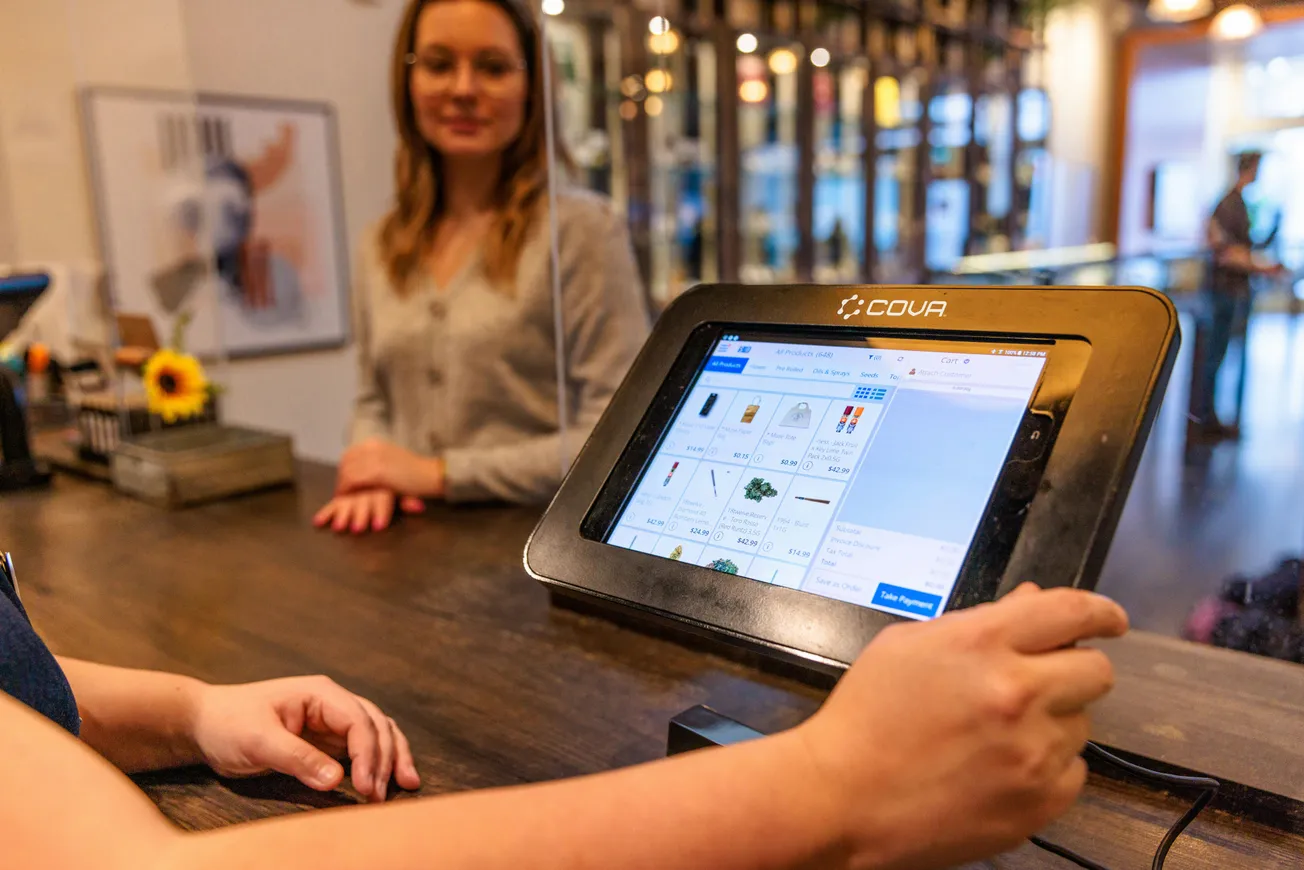

The omnichannel retail space is evolving rapidly as brands strive to meet consumers wherever they are—online, in-store, or via quick-commerce platforms. In early 2026, several startups across diverse retail categories secured substantial funding to scale their hybrid business models, combining e-commerce with physical retail and innovative supply chains.
This growth signals investor confidence in omnichannel strategies that enhance customer experience and optimize operations. This article covers the latest funding rounds, underscoring the kinds of business models enticing capital and the broader implications for the retail ecosystem.
Key Omnichannel Retail Funding Highlights in 2026
Designer Materials and Home Interiors
Material Depot recently raised $10 million, backed by Accel, to expand its curated platform that simplifies discovery and procurement of designer materials. Their approach integrates design intelligence with responsive supply chain management and omnichannel showrooms, indicating a rising trend of leveraging technology to streamline both B2B and B2C interactions in niche retail categories.
Apparel and Footwear Innovations
Several startups in fashion are scaling omnichannel operations with fresh capital. Neeman’s secured $4 million to grow sustainable, affordable footwear offerings through both physical stores and e-commerce, optimizing supply chain operations. Ace Turtle combines trend-spotting algorithms with rapid merchandising and announced $5 million in funding, reflecting how algorithm-driven merchandising supports digital-first denim retail models with in-store presence.
Direct-to-Consumer and Quick Commerce Expansion
Brands like SuperYou raised $7 million to scale protein-focused snacks via DTC channels, online marketplaces, quick-commerce apps, and retail networks, showing the importance of multi-channel access for health-focused consumer goods. Similarly, Haus & Kinder, which offers homeware and baby care products, raised $3.3 million to boost its DTC and quick-commerce channels, emphasizing the value of owning customer relationships alongside omnichannel reach.
Strategic Growth in Travel and Lifestyle Retail
Escape Plan secured $25 million to enhance its omnichannel travel product platform covering online marketplaces, DTC, and physical stores. This sizable investment by Jungle Ventures signals confidence in omnichannel tactics for durable goods and lifestyle sectors, particularly where physical experience remains key. Gully Labs raised INR 30 crore to handcraft culturally inspired sneakers sold online and through select retailers, blending traditional motifs with modern commerce techniques.
Specialty Retail and Luxury Segments
Luxury watch retailer Art of Time attracted INR 175 crore to drive an omnichannel retail strategy emphasizing experiential offline stores combined with online sales. Bombay Shaving Company also raised significant funds (INR 136 crore) aiming to scale men’s and women’s grooming products with omnichannel distribution. These rounds underscore the continued premium on customer experience and brand presence across channels.
Implications for Omnichannel Retail Strategy
The funding activity across these varied sectors highlights several strategic themes:
- Tech-enabled supply chains: Companies invest in technology platforms to increase supply chain responsiveness, supporting inventory visibility across channels.
- Hybrid customer engagement: Blending online insights with physical retail touchpoints enhances customer loyalty and conversion.
- Data-driven merchandising: Algorithmic trend spotting and rapid test-and-scale methodologies reduce risk and accelerate product-market fit.
- Expansion of quick-commerce: Fast delivery and multiple purchase channels are becoming standard expectations for omnichannel success.
According to VentureRadar’s 2026 funding update, omnichannel platforms that integrate e-commerce with physical retail and responsive supply networks continue to attract significant investment, reflecting investor belief in their role to reshape retail experiences.
The omnichannel retail sector remains a vibrant frontier for venture capital, with startups innovating across technology, supply chains, and customer engagement. Brands that master integrated digital and physical commerce can expect to gain competitive advantage and access to growth capital.
As these funding trends show, successful omnichannel retail increasingly depends on technology-driven agility combined with multi-format presence. Stakeholders should monitor emerging platforms like Material Depot and Escape Plan for inspiration on strategic execution.
For detailed funding insights, visit VentureRadar.