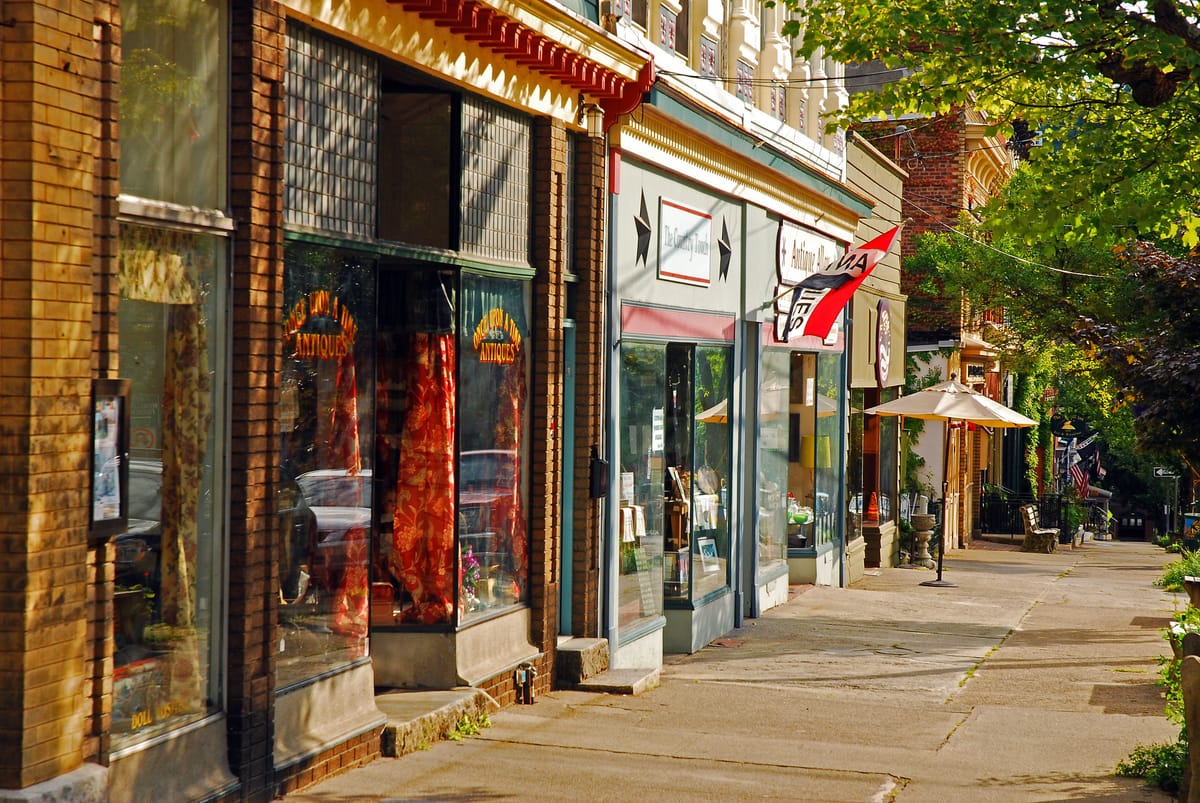
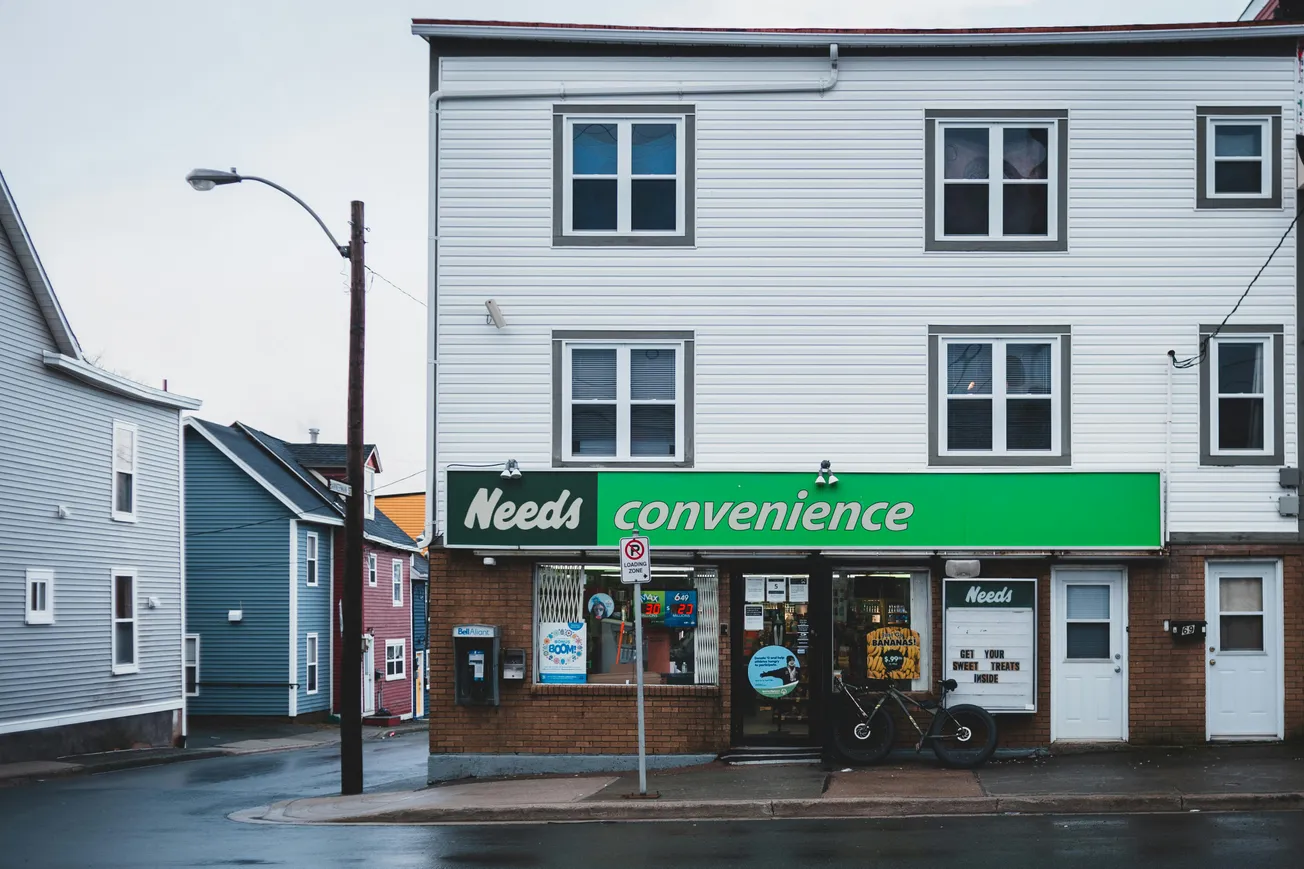
Despite their roots in digital commerce, direct‑to‑consumer (DTC) brands such as Beyond Yoga, Mejuri and Coterie are affirming the enduring value of brick‑and‑mortar retail as part of their growth strategies.
In Retail Dive’s recent coverage of the trend, executives cited in‑store customer connections, new customer acquisition, and enhanced brand experience as key reasons these digitally native brands are embracing physical stores.
Why Physical Stores Still Work for DTC Brands
DTC brands are increasingly blending digital and physical retail channels to create deeper customer relationships and drive long‑term loyalty. Here’s how the three brands featured explain their strategies:
- Mejuri: Since launching its first store in 2018, the jewelry brand has expanded to more than 50 locations. CEO Noura Sakkijha highlighted that while the brand assumed in‑store shoppers would be existing customers, 60% of in‑store buyers were actually new to the brand, demonstrating physical retail’s power to expand audiences.
- Beyond Yoga: After growing its wholesale presence, the activewear brand accelerated its own store footprint — doubling its physical locations recently — to offer direct connection points with customers across generations.
- Coterie: The baby diaper brand, while still heavily DTC, has leaned into wholesale partnerships with retailers like Whole Foods to broaden reach beyond its online channel.
The Retail Reality Behind the Strategy
The trend reflects broader industry dynamics where DTC brands rethink omnichannel approaches as digital acquisition costs rise and consumer engagement evolves. Physical stores help brands differentiate their experiences and serve as platforms for discovery, trial, and loyalty.
While not every online brand finds brick‑and‑mortar easy — some have scaled back or pivoted retail strategies — the success stories above underscore that, when done right, physical presence remains a powerful complement to e‑commerce.
Looking Ahead
As rents and retail real estate dynamics continue shifting, DTC brands will likely refine their store strategies, formats and locations to balance cost with consumer engagement.
Physical stores — whether flagship boutiques, boutiques in high‑traffic hubs or strategic wholesale placements — are being used to meet customers where they are, strengthen brand affinity and fuel sustainable growth.
More about brick-and-mortar:
 Dan Craft
 Dan Craft
 Ashton York