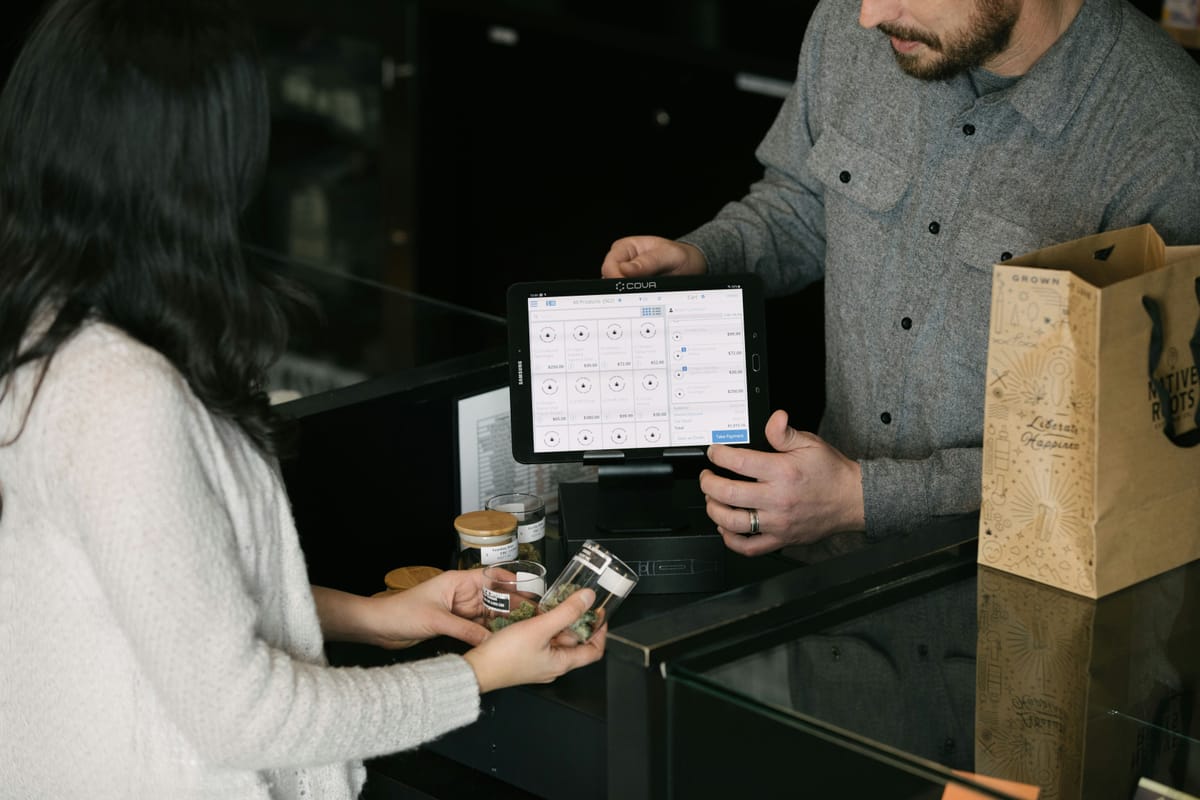

The traditional retail planogram—a schematic drawing that dictates the placement of products on physical store shelves—is undergoing a fundamental transformation. For decades, the "eye-level is buy-level" mantra governed how brands negotiated for space in brick-and-mortar aisles.
However, as the shopper journey shifts toward a hybrid omnichannel model, the definition of the planogram has expanded to include digital search results, personalized interfaces, and algorithmically curated "shelves." In this new landscape, securing a spot on the first page of search results has become the modern equivalent of prime eye-level shelf placement.
The Shift from Physical to Digital Real Estate
In a physical store, the planogram is a static tool used to maximize capacity and sales per square foot. In the digital realm, the "shelf" is dynamic and infinite, yet paradoxically more restrictive. While a physical aisle might display hundreds of items, mobile screens typically show only two or three products at a time. This compression of visible space makes the digital planogram—often determined by a retailer’s search algorithm—the most critical battleground for brands.
According to industry analysis from Profitero, products appearing on the first page of search results capture the vast majority of clicks and conversions. For brands operating within the Bentonville ecosystem, particularly those partnering with major retailers like Walmart, understanding the mechanics of "Digital Shelf Analytics" is no longer optional. It is the cornerstone of modern merchandising.
Algorithmic Merchandising and SEO
The digital planogram is not governed by physical dimensions but by data. Search Engine Optimization (SEO) and Generative Engine Optimization (GEO) are the new tools of the trade for category managers. Factors such as keyword relevance, conversion rates, in-stock levels, and delivery speed now dictate where a product appears.
Unlike the physical shelf, which remains constant until a seasonal reset, the digital planogram can change hourly. If a product goes out of stock, it immediately loses its "shelf position" in search rankings, often taking weeks to recover its standing once replenished. This creates a direct link between supply chain efficiency and marketing visibility. Leaders in the retail space are increasingly integrating their logistics data with their digital storefronts to ensure that promotional spending is never wasted on items that are unavailable for purchase.
The Role of Personalization
One of the most significant departures from traditional planogramming is the move toward personalization. In a physical store, every shopper sees the same endcap. In an omnichannel environment, the digital shelf is often tailored to the individual. Retailers use historical purchase data and machine learning to rearrange search results, effectively creating a unique planogram for every customer.
This shift requires brands to move beyond broad demographic targeting and toward high-relevancy content. High-quality imagery, detailed product descriptions, and customer reviews serve as the "packaging" that convinces a shopper to click. As noted by insights from Digital Commerce 360, the integration of rich media and social proof is essential for maintaining a competitive edge on the digital shelf.
Bridging the Gap in Bentonville
As the global hub for retail excellence, Bentonville serves as the testing ground for these integrated strategies. The concentration of suppliers, data scientists, and logistics experts in Northwest Arkansas allows for a unique synergy between physical and digital execution. Organizations are increasingly adopting "Store to Shelf" strategies that treat the physical backroom and the digital distribution center as a single inventory pool.
By aligning physical shelf presence with digital search dominance, brands can create a seamless experience for the consumer. Whether a shopper is walking through an aisle or scrolling through an app, the goal remains the same: being present and relevant at the moment of decision.
Conclusion
The evolution of the planogram represents the broader shift in the retail industry toward an omnichannel future. The physical shelf remains a vital touchpoint, but it is now one component of a much larger, data-driven ecosystem. For businesses to succeed, they must master the art of digital visibility, ensuring that their products are not just available, but prominent on the screens that now serve as the front door to the retail experience.
More about marketing:
 Staff Report
 Staff Report
 Staff Report