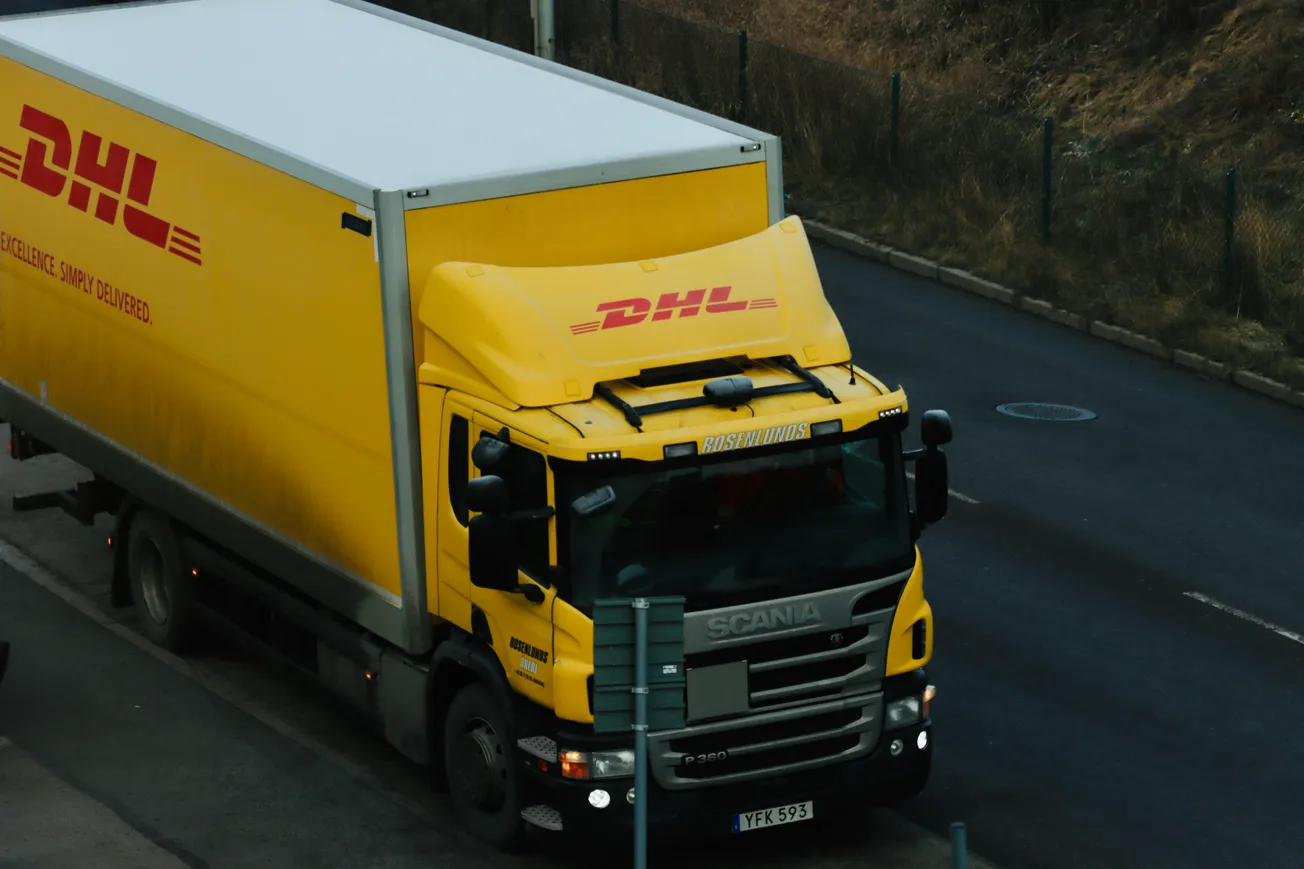
DHL Supply Chain has taken delivery of its first all‑electric Tesla Semi truck, integrating it into daily operations in Central California following a successful pilot test — a major step forward in the company’s decarbonization strategy and broader logistics modernization plans.
Real‑World Performance and Daily Deployment
The Tesla Semi joins DHL’s Class 8 electric vehicle fleet — already more than 150 units strong in North America — after logging more than 3,000 miles in pilot testing in Livermore, California. During those tests, it achieved efficiency of about 1.72 kWh per mile while hauling a typical freight load of roughly 75,000 pounds over a 390‑mile route.
Now operational on approximately 100‑mile daily routes, the electric semi requires charging only about once per week thanks to its large battery capacity and optimized route planning. With a fully loaded range of up to 500 miles, the truck demonstrates that battery‑electric heavy‑duty vehicles are capable of meeting demanding logistics requirements with significantly reduced emissions.
Sustainability and Scaling for 2026
DHL has framed the Tesla Semi’s integration as part of its commitment to reduce absolute CO₂e emissions by 29 million metric tons by 2030 and achieve net‑zero emissions by 2050 — goals aligned with sustainability priorities of many shippers and customers.
The company plans to add additional Tesla Semis in 2026 as Tesla ramps up volume production, further accelerating the transition to zero‑emission freight operations.
Broader Implications for Supply Chains
The deployment of electric Class 8 trucks by major logistics providers like DHL reflects the growing emphasis on sustainable freight and the maturation of electric heavy‑duty technology. As production scales and infrastructure improves, such assets are likely to play a larger role in reducing carbon footprints across retail and industrial supply chains.