
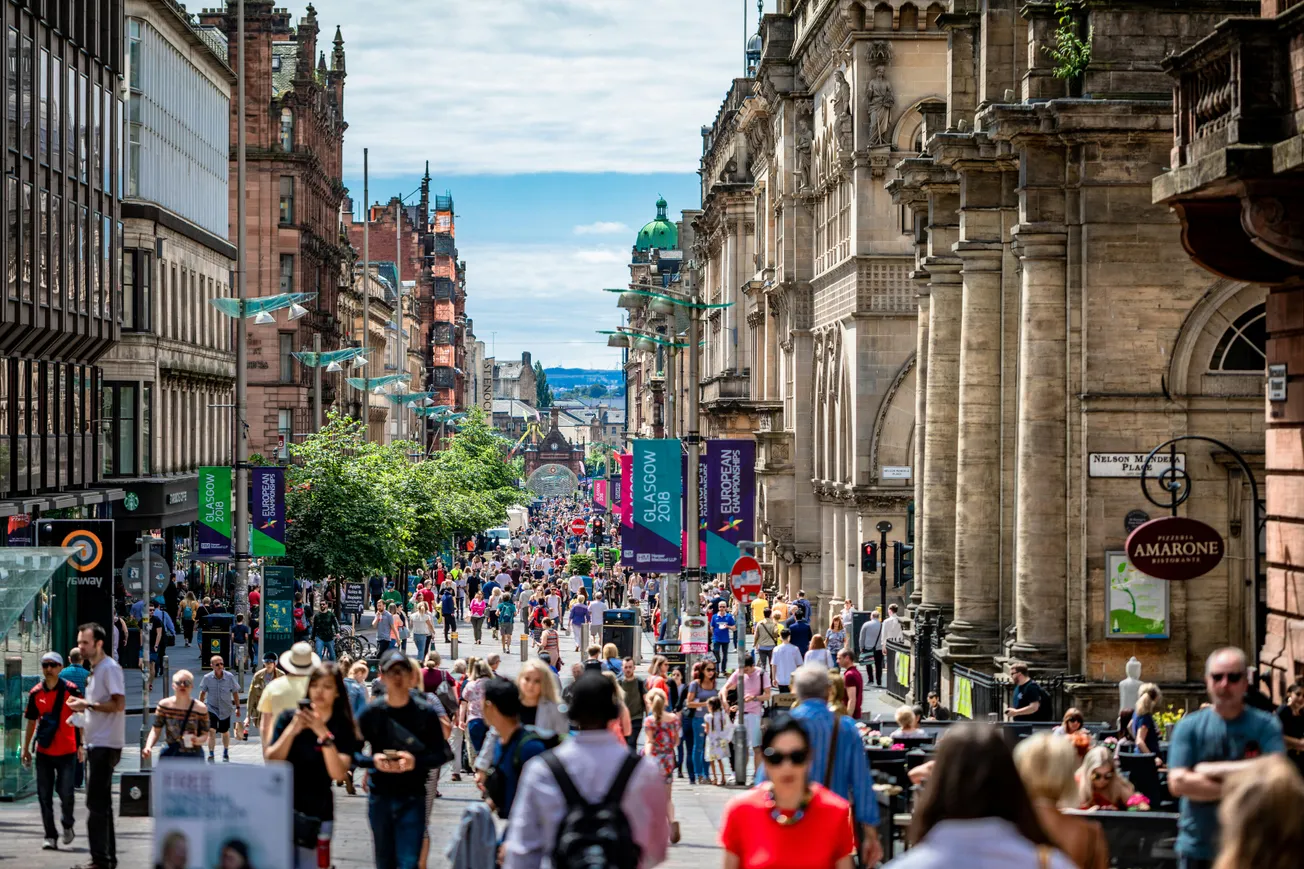
The British high street has faced significant challenges with rising empty retail units and changing consumer behavior favoring online shopping. With prominent retailers like WHSmith reducing their high street presence, the question arises: how can local retail centers stay relevant?
This article examines the critical role of community engagement and innovative revitalization strategies in rejuvenating high streets across the UK.
Understanding Community Engagement in Retail
Community engagement in retail means active involvement with local residents and organizations to create mutual benefits. From grassroots events to partnerships with charities and schools, retailers participate in ways that enhance local social cohesion and economic activity. A survey by the Association of Convenience Stores revealed that 80% of UK convenience store owners engage in their communities, often through charity collections and sponsorships.
Benefits and Examples
Retailers gain increased foot traffic, brand loyalty, and positive public perception through these efforts. Sheffield’s "Department," a community-owned space repurposed from a former co-op building, blends arts, food, and workspaces, illustrating the potential of community-driven regeneration.
Reimagining Vacant Spaces for High Street Revitalization
With over 14% of UK high street retail units empty in 2022, reusing these properties as multifunctional spaces is vital. Projects like Stockton-on-Tees’ mixed-use developments combine housing, leisure, and coworking facilities to create vibrant community hubs. Community events such as artisan markets and performances, exemplified by Stirling’s Thistles Shopping Centre, draw visitors and support local businesses.
Inclusive Design Enhancing Community Experience
Improving public amenities—wider sidewalks, green spaces, ample seating, and better lighting—makes high streets more welcoming and accessible. Transitioning from transactional retail to experiential, community-centered spaces fosters longer visits and stronger social bonds.
Aligning Retail Offerings with Community Needs
Recent surveys indicate people want green areas, cafes, clinics, and cultural centers over traditional shops. Retailers must adapt by integrating cafés, hosting events, and collaborating with local artists and wellness providers to create meaningful experiences. Examples include IKEA’s local café space in Queen Road and Manchester’s Chapter One, a bookshop doubling as a community cultural venue.
Government Support and Policy Impact
The UK government’s Levelling Up & Regeneration Act empowers councils to auction long-vacant properties for community use, addressing the 9% of UK retail units empty for over a year. Complementary legislation tackles retail crime to create safer shopping environments. Moreover, bodies like the London Assembly encourage local voices in regeneration decisions, ensuring projects meet community needs authentically.
Five Principles for Retailers to Engage Locally
- Listen actively to community needs through feedback and dialogue.
- Empower employees to represent and connect with the local area.
- Collaborate with local schools, charities, and organizations.
- Align company values with tangible action in environmental and social areas.
- Measure and transparently share community impact to build trust.
These foundational strategies support meaningful engagement from large retailers to small businesses, promoting a sustained high street revival.
Conclusion
The future success of the UK high street depends on cultivating authentic community partnerships, creative use of space, and adapting to evolving consumer expectations beyond mere transactions. This collaborative and inclusive approach can transform high streets into vibrant cultural and commercial hubs, benefiting both retailers and communities alike.
For more insights on high street regeneration, see the full article from The Retail Bulletin.
More about community:
 Staff Report
 Staff Report
 Staff Report