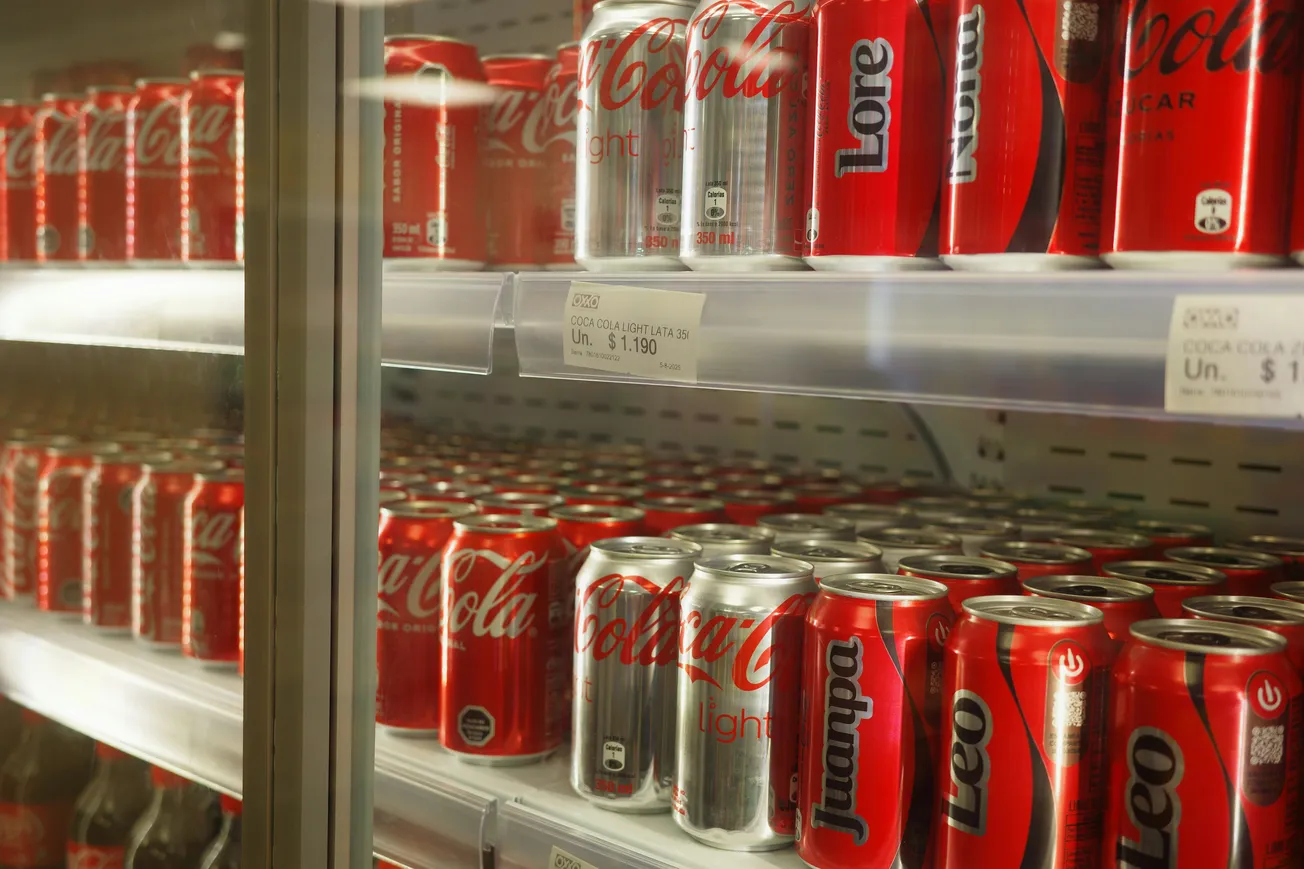
The Coca-Cola Company reported mixed financial results for the fourth quarter of fiscal year 2025, reflecting continued margin discipline and pricing strength alongside softer-than-expected top-line performance. The global beverage leader exceeded Wall Street earnings expectations but fell short on revenue, underscoring the complex operating environment facing large consumer packaged goods companies as inflation, currency fluctuations, and shifting consumer demand persist.
For the quarter, Coca-Cola reported earnings per share of $0.58, surpassing analyst expectations of $0.56. However, revenue totaled $11.82 billion, below the $12.03 billion anticipated by the market, according to CNBC. The results highlight the company’s ability to protect profitability even as volume growth and certain international markets remain under pressure.
Earnings Performance Reflects Pricing and Cost Control
Coca-Cola’s earnings outperformance was largely driven by continued pricing actions, favorable product mix, and disciplined cost management across its global system. Like many multinational beverage and food companies, Coca-Cola has leaned heavily on strategic price increases over the past several years to offset higher input costs, including packaging, transportation, and labor.
Management has emphasized revenue growth management as a core strategy, prioritizing premium offerings, smaller package sizes, and higher-margin channels. This approach has allowed the company to maintain operating margins even as some consumers pull back on discretionary spending, particularly in emerging markets.
The company’s asset-light bottling model continues to provide flexibility, allowing Coca-Cola to focus on brand building, innovation, and global marketing while relying on its bottling partners to manage capital-intensive operations. This structure has been a competitive advantage during periods of economic uncertainty.
Revenue Miss Signals Volume and Market Challenges
Despite the earnings beat, Coca-Cola’s revenue miss suggests ongoing challenges in driving volume growth across all regions. Currency headwinds, uneven recovery in away-from-home consumption, and varying economic conditions across global markets weighed on reported revenue.
North America remained relatively stable, supported by strong brand loyalty and steady demand across sparkling soft drinks, sports drinks, and ready-to-drink beverages. However, some international markets experienced slower growth as consumers adjusted spending habits in response to higher interest rates and lingering inflationary pressures.
The revenue shortfall also reflects broader trends in the consumer goods sector, where companies are increasingly finding that pricing can only compensate for volume softness for so long. Investors and analysts are closely watching whether volume growth can reaccelerate in 2026 as macroeconomic conditions stabilize.
2026 Outlook Points to Steady, Not Accelerating, Growth
Looking ahead, Coca-Cola issued a measured outlook for fiscal year 2026. The company expects organic revenue growth of 4% to 5% and comparable earnings per share growth of 7% to 8%. These projections signal confidence in the company’s long-term strategy while acknowledging a more normalized growth environment compared to the post-pandemic rebound years.
The guidance suggests Coca-Cola expects continued benefits from pricing, mix, and productivity initiatives, along with incremental volume growth in select categories and regions. However, the outlook stops short of signaling a major acceleration, reflecting management’s cautious stance amid global economic uncertainty.
From a supply chain and operations perspective, Coca-Cola continues to invest in digital capabilities, demand forecasting, and sustainability initiatives aimed at improving efficiency and resilience. These investments are increasingly critical as retailers and consumers demand faster replenishment, greater transparency, and more environmentally responsible practices.
Implications for Investors and the Retail Ecosystem
For investors, Coca-Cola’s fourth quarter results reinforce the company’s reputation as a defensive, cash-generating business capable of delivering steady earnings growth even in challenging environments. The earnings beat may provide reassurance, but the revenue miss and modest forward guidance highlight the importance of monitoring volume trends and consumer demand closely.
For retailers and supply chain partners, the results underscore Coca-Cola’s ongoing focus on value over volume, premiumization, and disciplined execution. As omnichannel retail continues to evolve, Coca-Cola’s ability to align product innovation, marketing, and supply chain execution will remain a key factor in sustaining growth.
More about Coca-Cola:
 Staff Report
 Staff Report
 Staff Report