The global economic landscape is facing a significant recalibration as China signals a transition into an era of slower economic growth. For the omnichannel retail center of the world in Bentonville, Arkansas, and the thousands of vendors supporting the global retail ecosystem, this shift in the world’s second-largest economy carries profound implications for corporate strategy, manufacturing, and consumer demand.
According to The Wall Street Journal, Chinese leadership is acknowledging a structural slowdown, moving away from the high-growth targets that defined the previous decades. This "new normal" is characterized by aging demographics, a cooling real estate market, and a strategic pivot toward high-tech manufacturing and domestic consumption. For industry professionals, these macroeconomic shifts necessitate a reevaluation of long-term supply chain resilience and international market expansion.
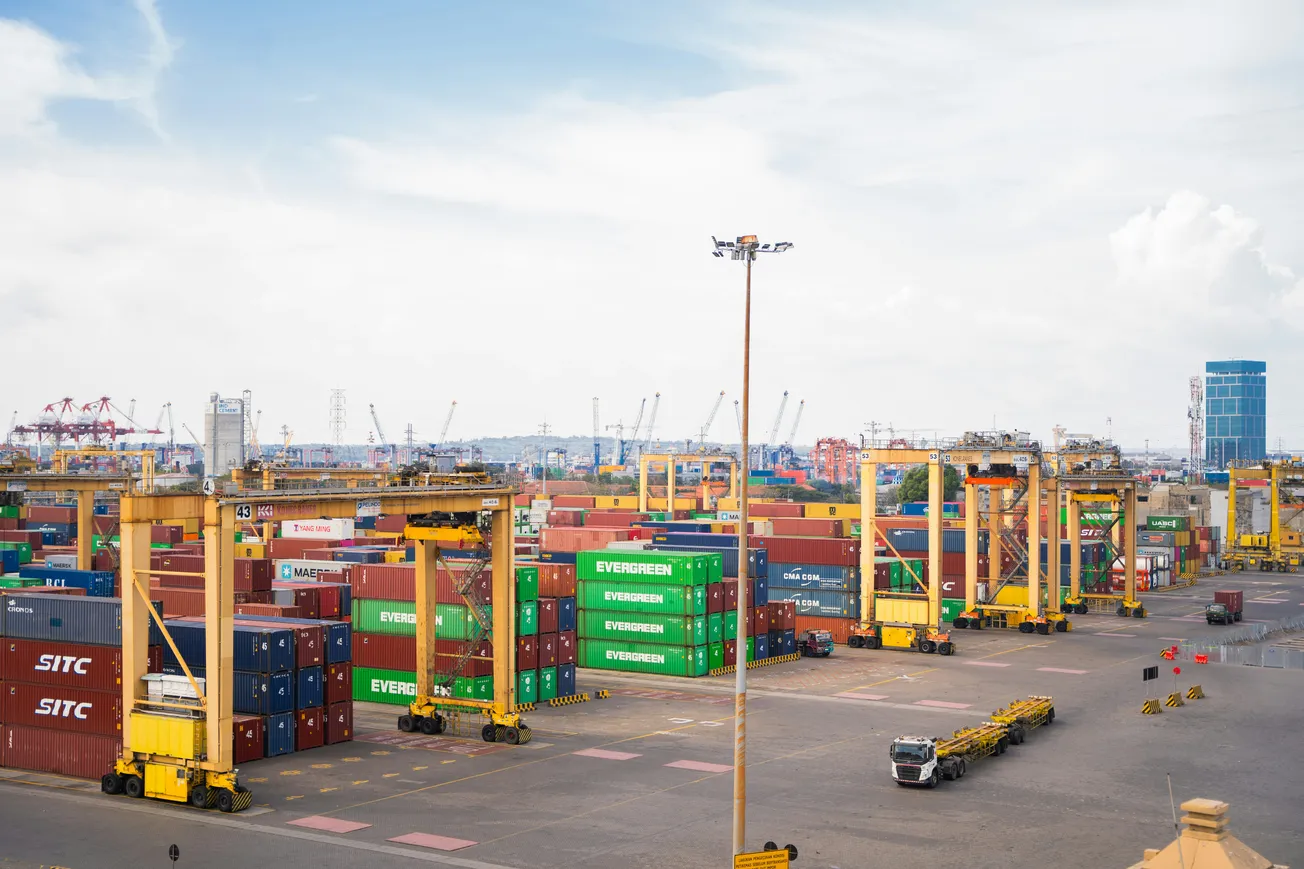
The cooling of the Chinese economy directly affects the global supply chain, which has long relied on China as the "world's factory."
As domestic growth slows, the Chinese government is doubling down on industrial overcapacity in sectors like electric vehicles and renewable energy technologies to maintain economic momentum. For U.S.-based retailers and logistics providers, this could lead to a dual-track impact: potentially lower costs for certain imported goods in the short term, but increased geopolitical friction and trade barriers in the long term as Western nations respond to an influx of low-priced Chinese exports.
In Bentonville, where the interconnection of brands and consumers defines the local economy, the "omnichannel" impact of China’s slowdown is multifaceted. A less robust Chinese consumer market may limit the international sales growth of major American brands that have invested heavily in Chinese retail presence. Conversely, the shifting manufacturing landscape is encouraging many firms to adopt "China Plus One" strategies, diversifying their sourcing to include Southeast Asia, India, and Mexico to mitigate the risks associated with a single-source dependency.
Furthermore, the technological shift within China’s economy presents both a challenge and an opportunity for the retail tech sector. As China invests more heavily in AI and automation to offset a shrinking labor force, the global retail community must keep pace. The integration of these advanced technologies into the shopper journey—from predictive inventory management to automated last-mile delivery—remains a critical frontier for maintaining a competitive edge in an omnichannel environment.
From a leadership perspective, the ability to navigate this period of global economic cooling requires a commitment to insight-rich content and strategic awareness. Corporate leaders are now tasked with balancing the cost-efficiencies of existing Chinese partnerships with the strategic necessity of supply chain diversification. This balance is essential for maintaining the flow of goods that fuels the consumer experiences orchestrated in Northwest Arkansas.
As China navigates its internal debt challenges and shifts toward a more mature, albeit slower, economic model, the ripple effects will be felt across all sectors of the global economy.
For the stakeholders in Bentonville, from startups to marketing agencies, staying informed on these shifts is not merely a matter of observation but a requirement for winning in the evolving world of omnichannel retail. The transition signals that the era of "growth at any cost" is being replaced by an era of "strategic resilience," where efficiency and adaptability are the primary drivers of success.
More about China:
 Staff Report
 Staff Report
 Staff Report