

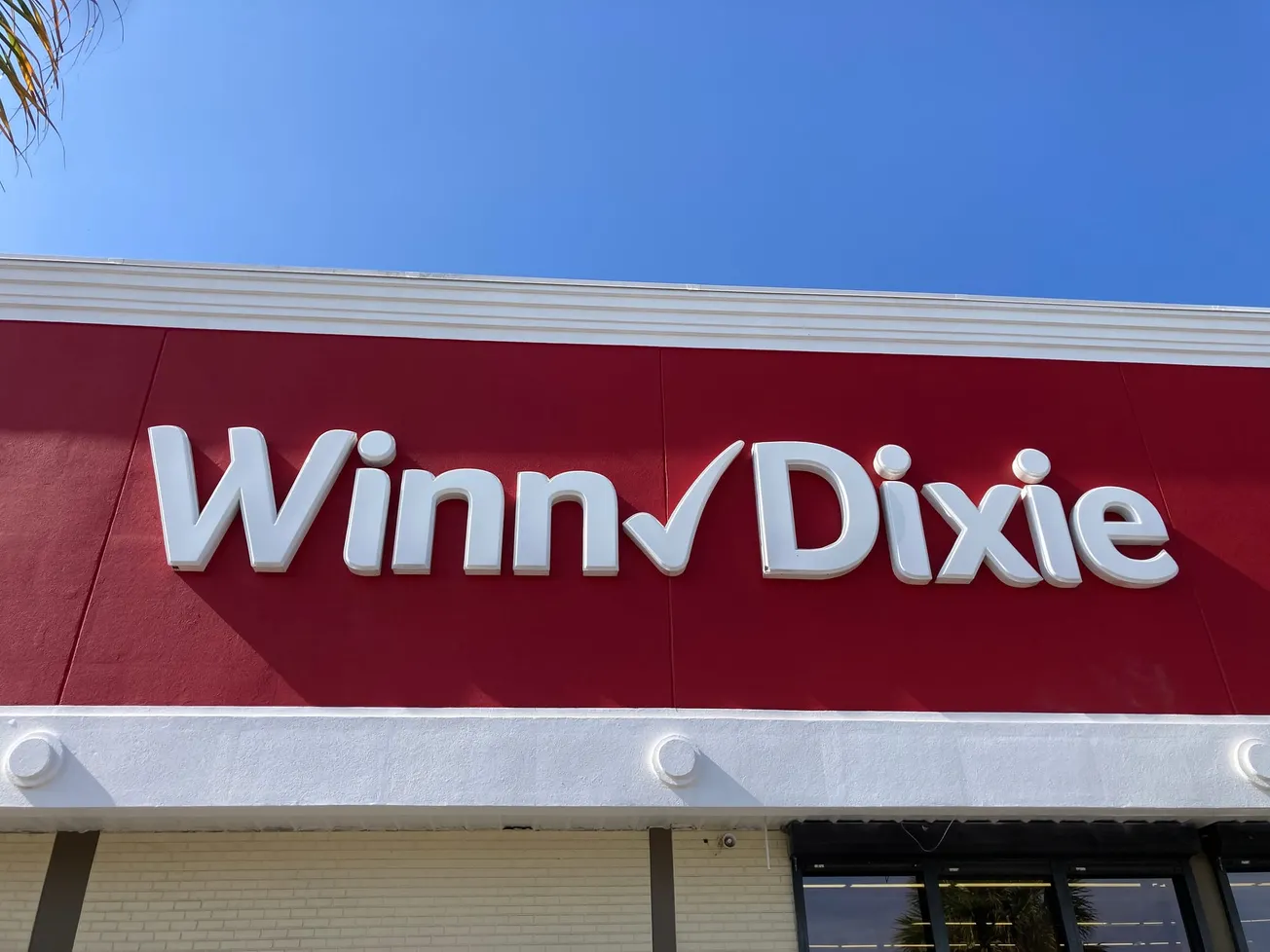
C&S Wholesale Grocers, in partnership with Southeastern Grocers' CEO Anthony Hucker and a consortium of private investors, has acquired approximately 170 Winn-Dixie and Harveys Supermarket stores from Aldi U.S.
This transaction comes less than a year after Aldi’s acquisition of Southeastern Grocers in March 2024, and just months after C&S’s attempt to acquire hundreds of stores under several banners as part of a Kroger/Albertson’s merger plan fell apart.
C&S Wholesale Grocers: From Wholesaler to Retailer
C&S Wholesale Grocers, established in 1918, has long been a dominant force in the U.S. grocery supply chain, servicing over 7,500 independent supermarkets, chain stores, military bases, and institutions nationwide.
Traditionally focused on wholesale operations, C&S has in recent years strategically expanded into the retail sector.
In 2021, C&S acquired 12 Tops Markets stores in New York and Vermont, rebranding them under the Grand Union name. This move marked a significant step in bolstering its retail presence.
In 2023, C&S entered into an agreement to purchase 413 stores from Kroger and Albertsons, aiming to further solidify its retail footprint. However, this plan faced regulatory challenges, and in December 2024, a federal judge blocked the Kroger-Albertsons merger, citing concerns over reduced competition. This decision impacted C&S’s plans to acquire the divested stores.
Undeterred, C&S continued its retail expansion strategy. The recent acquisition of Winn-Dixie and Harveys stores from Aldi signifies C&S’s continued commitment to expanding its retail footprint, even as previous plans were affected by regulatory hurdles.
This move not only reshapes the landscape of the southeastern grocery market but also underscores the dynamic nature of the industry, marked by strategic acquisitions and evolving market players.
Winn-Dixie’s Evolution: A Chronicle of Ownership and Expansion
Winn-Dixie’s origins trace back to 1925 when William Milton Davis purchased the Rockmoor Grocery in Miami, Florida. Over the subsequent decades, the company expanded through strategic acquisitions, including the purchase of the 117-store Dixie Home Stores chain in 1955, which led to the adoption of the Winn-Dixie name.
By the 1960s, Winn-Dixie had established itself as a prominent supermarket chain across the southeastern United States.
In 2000, Winn-Dixie acquired 106 stores from Jitney Jungle, further solidifying its presence in the region. However, financial challenges emerged, leading to a Chapter 11 bankruptcy filing in 2005. The company restructured and emerged from bankruptcy in 2006.
In 2011, BI-LO announced plans to merge with Winn-Dixie, creating an organization with 690 grocery stores across eight states. The merged entity was later rebranded as Southeastern Grocers in 2013.
Harveys Supermarket: A Brief History
Harveys Supermarket was founded in 1924 in Nashville, Georgia. Over the years, it grew into a regional chain known for its focus on fresh produce and community-centric approach.
In 2013, Southeastern Grocers acquired the Harveys banner from Delhaize Group, integrating it into its portfolio alongside Winn-Dixie and BI-LO.
Why Aldi Divested After Acquiring Southeastern Grocers
Aldi's decision to divest these stores shortly after acquiring them stems from its strategic focus on its core business model. Known for its no-frills, cost-effective approach, Aldi aims to streamline its operations by concentrating on store formats that align with its brand identity.
By divesting the Winn-Dixie and Harveys locations that did not fit this model, Aldi can focus on converting select stores to its format and expanding its footprint in a manner consistent with its operational strategy.
C&S Wholesale Grocers is actively establishing a robust retail base through strategic acquisitions, even as it navigates challenges in the evolving grocery landscape. Concurrently, Aldi's divestiture reflects its commitment to maintaining a cohesive brand strategy while pursuing growth in the U.S. market.