Burger King Modernizes the Whopper Experience
Burger King is officially entering a new phase of its Reclaim the Flame initiative by rolling out significant enhancements to its flagship menu item. The home of the Whopper is introducing a series of "elevation" changes designed to address long-standing consumer feedback regarding food quality and presentation. This strategic move comes as the quick-service restaurant (QSR) industry faces increased pressure from rising commodity costs and a highly competitive value-driven retail landscape.
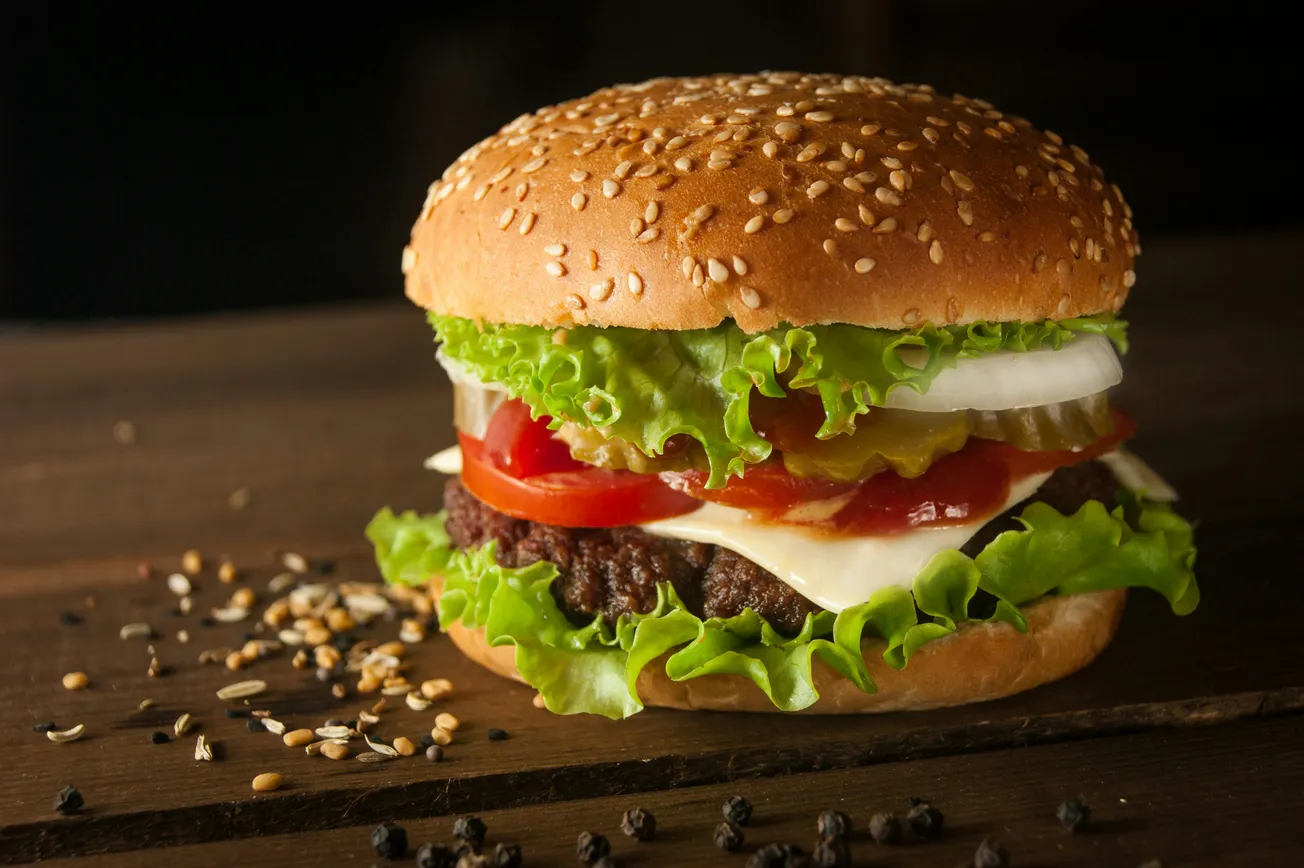
The revamped Whopper, which began appearing in more than 7,000 restaurants nationwide this week, features three primary upgrades: a more premium glazed bun, a reformulated creamier mayonnaise, and a transition from paper wrapping to a sturdy clamshell box.
According to Tom Curtis, President of Burger King U.S. and Canada, the move to a box is specifically aimed at preserving the "integrity" of the sandwich, preventing the "smashed" appearance that has been a frequent point of contention in customer satisfaction surveys.
Strategic Investment in the Guest Journey
This product overhaul is part of a broader $700 million investment strategy by parent company Restaurant Brands International (RBI). The strategy aims to modernize the brand’s image and improve the omnichannel shopper journey. By focusing on the physical quality of the product, Burger King is attempting to bridge the gap between fast food and the "fast-casual" experience, where consumers have shown a willingness to pay slightly higher prices for perceived quality.
The timing of the rollout aligns with recent financial reports showing that Burger King’s U.S. same-store sales rose 3.2% in late 2025, outperforming several key competitors in the burger category. Executives noted during a recent investor day that the brand has moved from 10th to 6th place in industry guest experience rankings. Maintaining this momentum requires a "balanced marketing strategy" that prioritizes core menu innovation over short-term deep discounting.
Franchisee Impact and Operational Costs
While the upgrade is designed to drive traffic and long-term brand loyalty, it comes with a direct financial cost for store operators. Franchisees are expected to shoulder approximately $4,000 in additional annual costs per location to cover the more expensive ingredients and premium packaging. Despite these rising overheads, Burger King corporate has advised local owners to avoid immediate price hikes, suggesting instead that the improved product will drive higher sales volumes to offset the investment.
The burden on franchisees is a critical component of the "Reclaim the Flame" plan, which has already seen significant capital allocated toward restaurant remodels and digital technology. As of early 2026, roughly 58% of the Burger King system has achieved a "modern image" status, with a goal of reaching 85-90% by 2028. This modernization includes streamlined drive-thrus and enhanced digital ordering kiosks, ensuring that the physical product matches the updated technological environment.
Omnichannel Trends in the QSR Sector
The shift toward premiumization reflects a larger trend in the omnichannel retail space. As consumers increasingly use mobile apps and third-party delivery services, the "last mile" of the food's journey—the time between the kitchen and the consumer's table—becomes vital. Traditional paper wraps often fail to retain heat or structure during delivery, whereas the new clamshell boxes are engineered to maintain the "melty cheese experience" and visual appeal.
By listening to guest feedback and implementing these physical changes, Burger King is attempting to redefine value in a market where price is no longer the only factor. For professionals in the Bentonville business community and the global retail sector, this move underscores the importance of coordinating product quality with digital and operational improvements to meet the evolving expectations of the modern shopper.
More about marketing:
 Staff Report
 Staff Report
 Staff Report