The Strategic Evolution of BNPL: Beyond the Checkout Button
As the 2026 retail landscape takes shape, the "Buy Now, Pay Later" (BNPL) industry is undergoing a structural transformation. Recent data from PYMNTS Intelligence reveals that traditional BNPL adoption at the point of sale has hit a notable "adoption wall." In January 2026, only 12% of consumers reported using a BNPL service in the previous three months—a record low since tracking began in early 2025. This downturn is primarily driven by Gen Z and Millennial shoppers, who are increasingly favoring credit card installments and digital wallet integrations over standalone BNPL buttons.
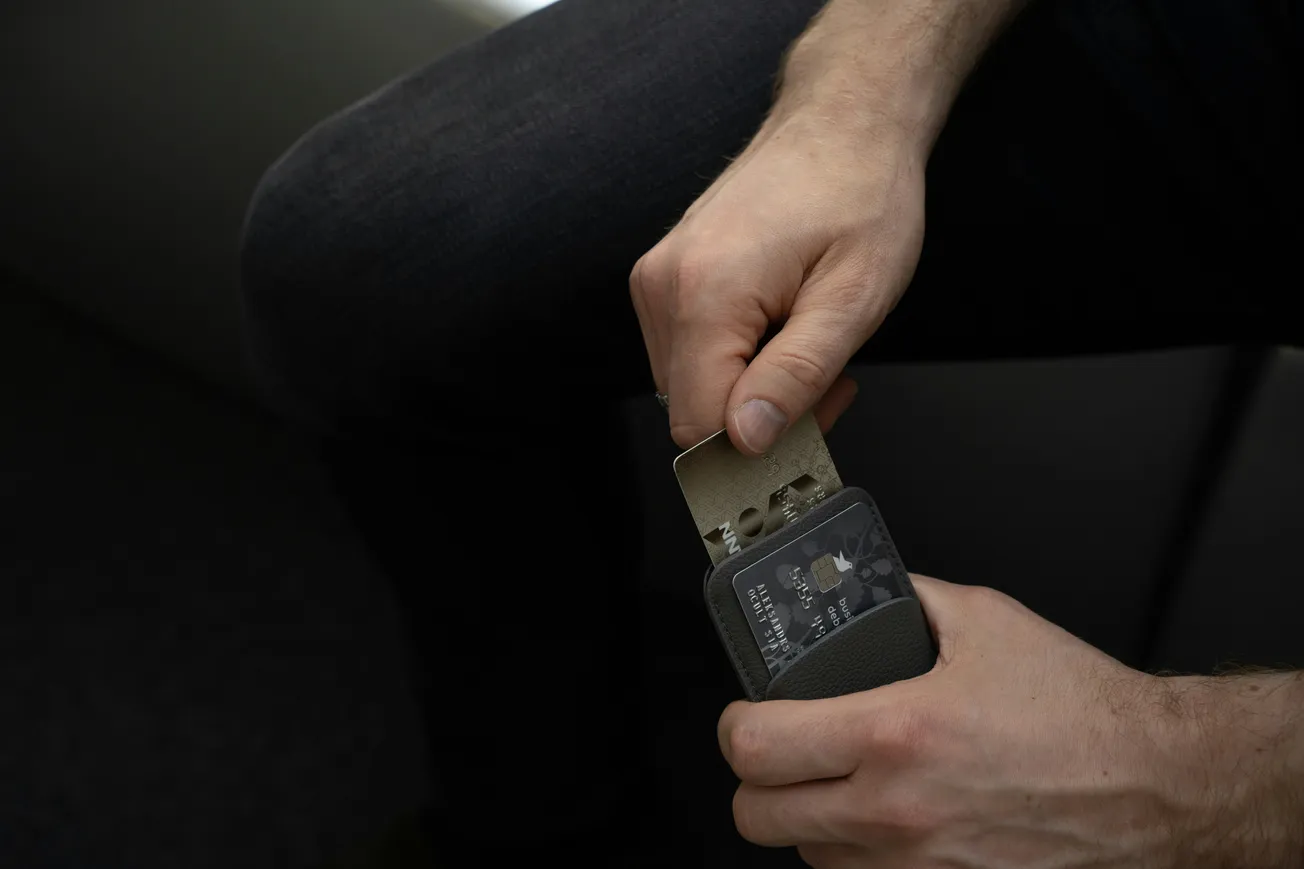
To counter this momentum loss, BNPL providers are pivoting their corporate strategy toward branded physical cards and virtual wallets. This move blurs the lines between traditional credit and fintech, effectively bringing the "pay later" experience into the broader financial ecosystem. By transitioning into a "top-of-wallet" tool, providers aim to capture everyday spending—including groceries and travel—rather than relying solely on large, episodic discretionary purchases.
The Rise of Provider-Branded Cards
The next battleground for consumer loyalty is no longer the e-commerce checkout page but the physical and digital wallet. Companies like Affirm and Klarna are leaning heavily into physical card products that act as a bridge between the installment model and traditional credit. These cards allow users to shop anywhere major credit cards are accepted while maintaining the ability to split payments after the purchase is complete.
This shift toward "post-purchase" flexibility is a key differentiator in 2026. Unlike traditional checkout financing, which requires a decision at the register, card-based BNPL allows the shopper to take stock of their finances days or weeks later. This level of control is particularly appealing to Gen Z consumers, who have shown a 45% preference for credit card installments due to the familiarity and rewards associated with established accounts.
Impact on the Bentonville Retail Ecosystem
For the retail community in Bentonville, these shifts have direct implications for shopper marketing and merchandising strategies. As BNPL becomes embedded in cards and wallets, the "barrier to entry" for installment payments disappears. Retailers are no longer just managing a payment method; they are managing a sophisticated financial triage tool used by their customers to smooth out timing mismatches between income and obligations.
Furthermore, the convergence of banks and fintechs is creating a "hybrid landscape." Retailers like Walmart have already integrated these capabilities through apps like OnePay, which allows users to retroactively split transactions. This integration supports the omnichannel mission by creating a seamless experience across physical stores and digital touchpoints. For suppliers, this means that high-ticket items and everyday essentials alike are now eligible for installment-based budgeting, potentially increasing basket sizes across more diverse categories.
The Financial Infrastructure of 2026
The data suggests that Pay Later has matured from a niche checkout feature into a standing line item in how households manage money. Consumers are now using these tools for "experience economy" purchases—such as concerts and massages—and even necessities like medical bills and utilities. As credit card balances rise, BNPL acts as a liquidity bridge, helping households avoid revolving debt cycles with high interest.
Industry leaders must now demystify this evolving concept of "active users." While standalone BNPL usage may be dipping, the engagement within digital wallets and branded cards is rising. For stakeholders in Northwest Arkansas and globally, the path forward involves recognizing that the shopper's wallet is becoming a personalized financial dashboard. Winning in this environment requires a deep understanding of how these different credit tools—BNPL, store cards, and revolving lines—solve specific problems for the consumer at the point of need.
More about BNPL:
 Dan Craft
 Staff Report
 Staff Report