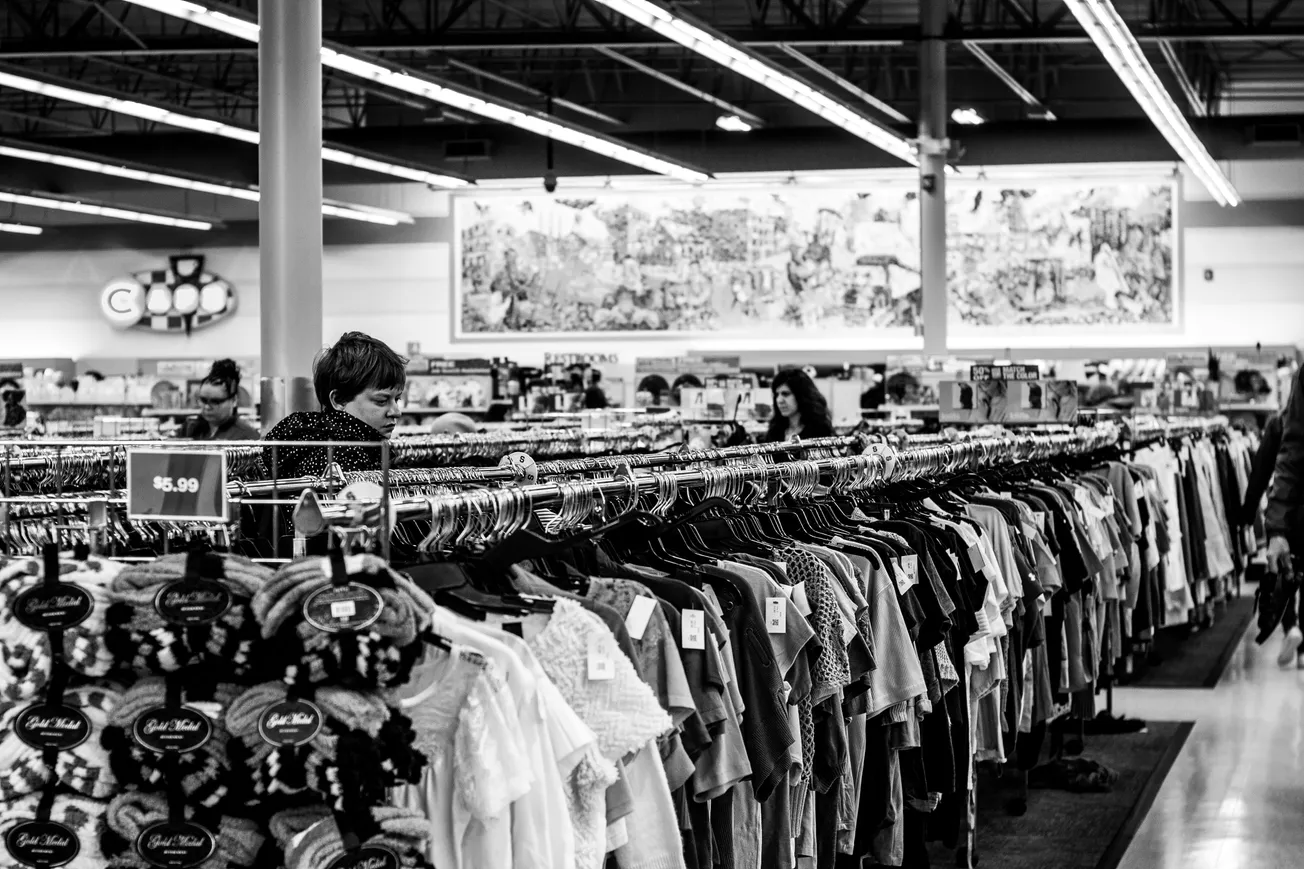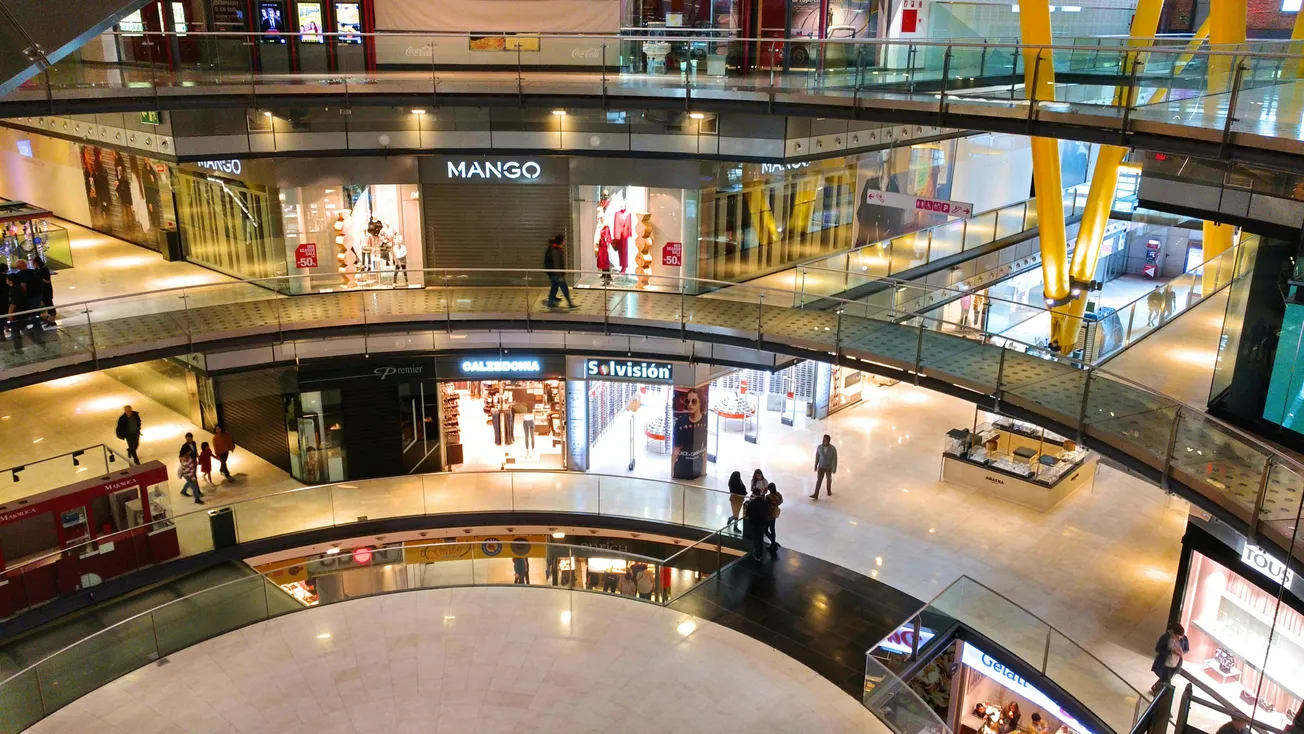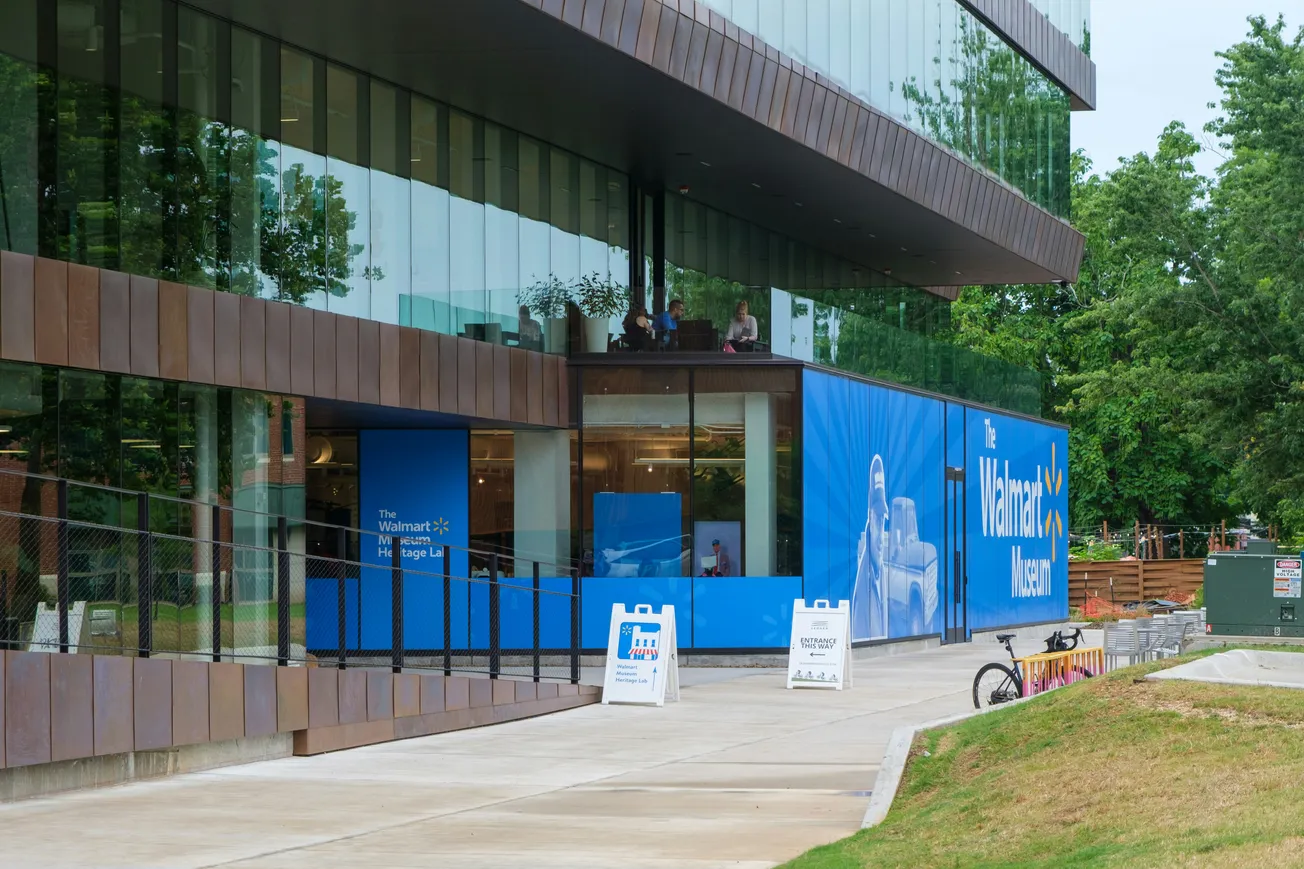

Bentonville is already the epicenter of omnichannel retail innovation. But what if it could also serve as a virtual prototype for how cities, stores, and supply chains function together?
With advancements in digital twin technology, that future is closer than many realize.
A digital twin of Bentonville would allow Walmart, vendors, logistics firms, and civic leaders to simulate everything from shopper foot traffic and delivery routes to real-time shelf replenishment—all inside a virtual model that mirrors the physical city.
This kind of simulation could help retailers test store layouts, optimize warehouse locations, and model how changes in infrastructure or policy might impact retail performance. It could even serve as a tool for civic engagement, letting residents explore how new developments would affect walkability, traffic, or environmental impact.
With Northwest Arkansas’ strong tech ecosystem, a “Bentonville metaverse” could be co-developed by regional stakeholders, startups, and universities. Walmart’s tech incubators, like Store No. 8, and logistics partners such as J.B. Hunt or Tyson could all benefit from a shared virtual sandbox for strategic planning.
Such a model would not only enhance retail decision-making—it could also reinforce Bentonville’s position as the omnichannel capital of the world, and a testbed for scalable, digitally-enhanced urban design.
Building Bentonville’s digital twin isn’t just about virtual reality—it’s about creating a smarter, more collaborative future for retail, logistics, and community planning.