

Retail giant Walmart has announced its commitment to reducing packaging waste associated with online orders by implementing various sustainability measures. These include replacing plastic mailers with recyclable paper bag mailers, right-sizing cardboard box packaging, offering customers the option to consolidate shipping, eliminating single-use plastic bags for online pickup orders, and optimizing last-mile delivery to reduce mileage and delivery times. By transitioning to paper bag mailers, Walmart anticipates eliminating 65 million plastic bag mailers, amounting to more than 2,000 tons of plastic, by the end of the fiscal year. The company is also implementing right-sized packaging technology to minimize unused space in boxes and reduce the need for fillers while allowing customers to consolidate multiple items into fewer boxes. Furthermore, Walmart utilizes artificial intelligence to fulfill online orders from stores instead of fulfillment centers, reducing the number of miles driven and boxes used for shipping. These sustainability efforts align with Walmart's commitment to achieving zero emissions by 2040 and its focus on becoming a more regenerative company that prioritizes social and environmental issues.
Read the Full Article Here
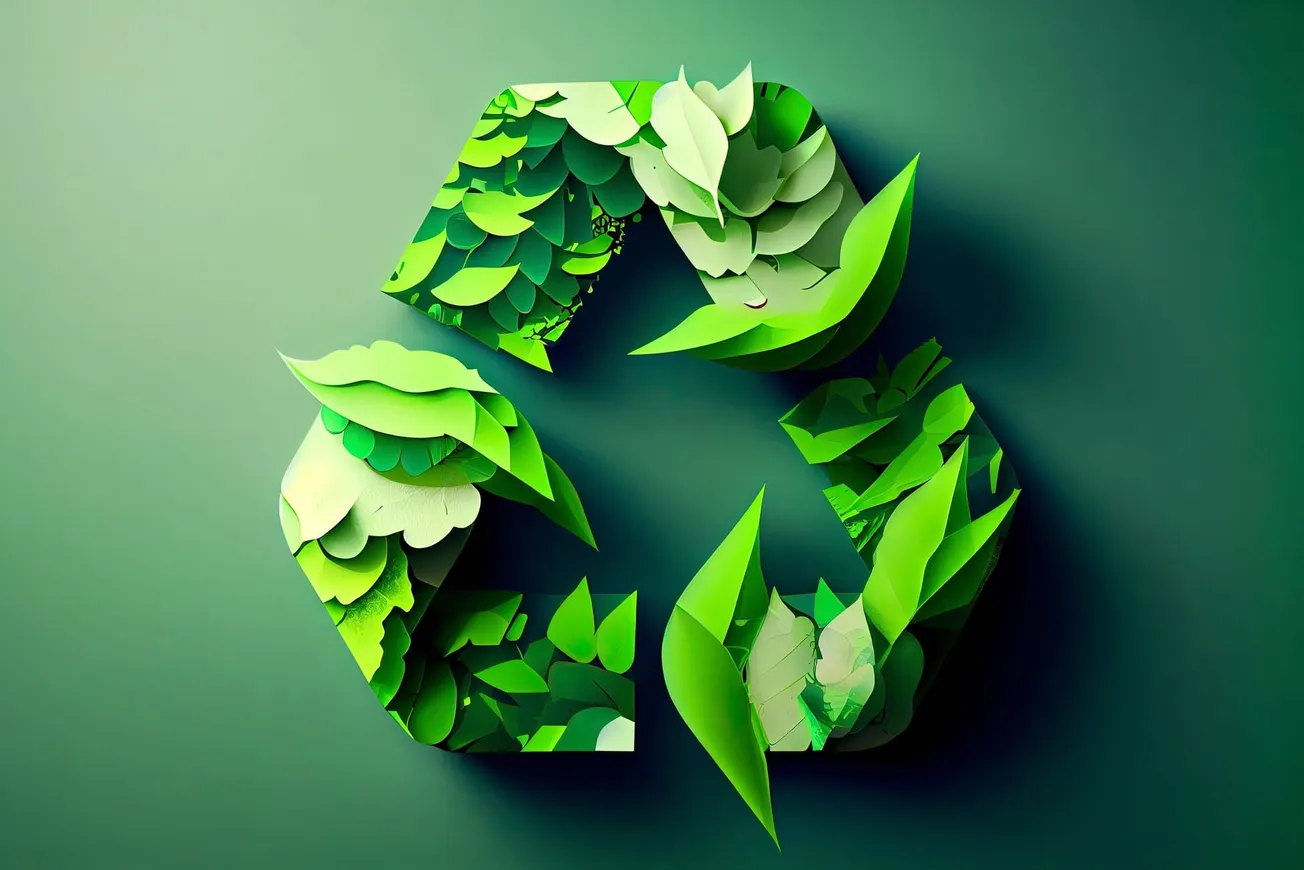
Walmart Takes Steps Towards Waste Reduction and Sustainability in Fulfillment Network
Transitioning to recyclable paper bag mailers and right-sized packaging to eliminate thousands of tons of plastic waste
Related

Walmart Secures Nuclear Energy for Illinois Supply Chain
Walmart enters a long-term nuclear power agreement with Constellation Energy, advancing sustainable operations for its Illinois distribution center and retail network.
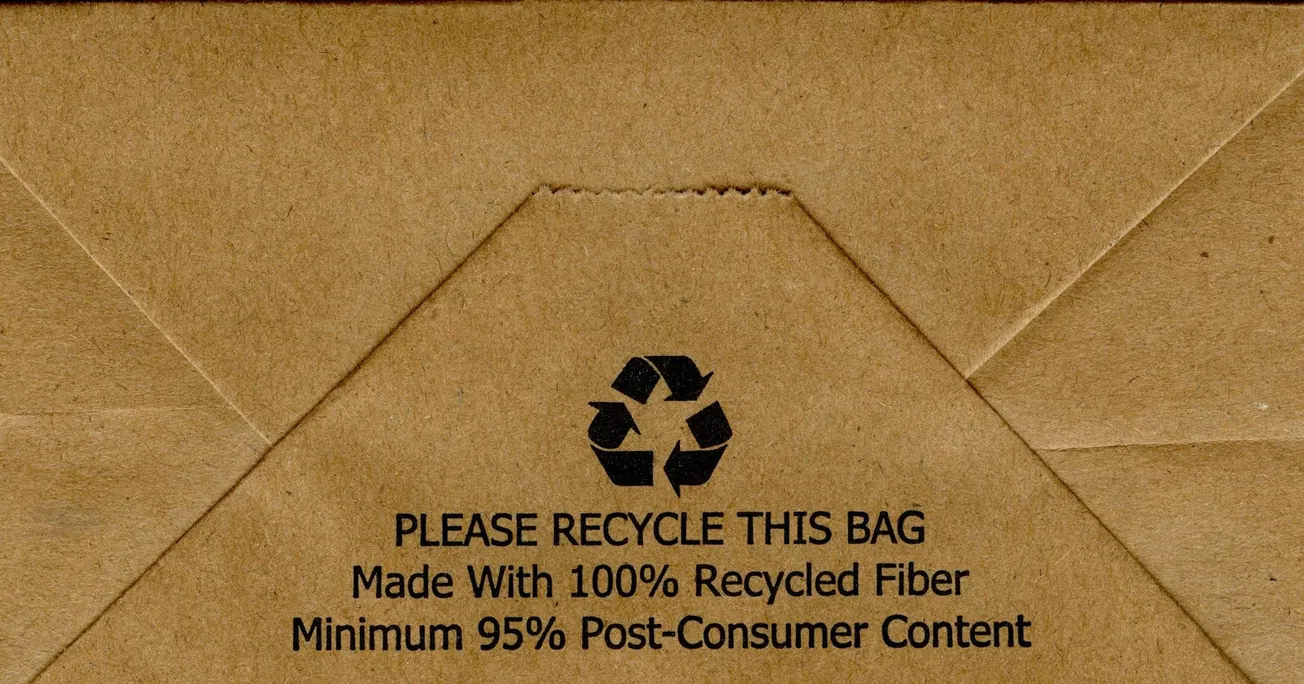
Consumer Brands Accelerate Circular Packaging Initiatives to Reduce Waste
Major retail brands are restructuring their global supply chains to adopt circular packaging solutions and meet corporate sustainability targets.

Fayetteville Council Agenda Shapes NWA Urban Development, Business Future
Fayetteville City Council will address key rezoning requests, infrastructure projects, and conservation efforts impacting Northwest Arkansas's urban development and business landscape.

Natural Products Transition From Specialized Niche to Mainstream Consumer Expectation
Consumer demand for clean ingredients and brand transparency has broken out of specialty aisles, transforming natural standards into a baseline expectation across all major retail environments.
Latest

Leadership Drives Retail AI Transformation
Retail success requires bridging the AI implementation gap through leadership, organizational agility, and video analytics rather than simply adopting new technology.

Ep. 5 - Local Loyalty: Scaling a Hometown Fashion Brand
Monica and Luciana Terminella of By Request share how they built a 30 year boutique in Northwest Arkansas through curated inventory and honest styling advice, proving personal relationships can outlast algorithmic retail.
Ep. 163 - Stop Working IN Your Business
An HVAC operator breaks down the playbook for moving from technician to owner, covering acquisition audits, debt restructuring, route density, and firing toxic clients to build real systemic equity in a service business.
Retail Growth Is Hiding a Unit Problem
Scott Benedict breaks down why rising retail revenue is masking a hidden unit volume crisis, revealing how price hikes, private label shifts, and shrinking baskets distort what merchants think is actual demand.