Consumer spending patterns in 2026 indicate a clear shift within the home improvement and retail sectors. Big-ticket home items—including major renovations, full remodels, and high-cost appliances—are increasingly taking a back seat to smaller purchases and essential repair projects.
Industry experts say belt-tightening is expected to continue throughout the year, with discretionary spending in the home improvement category showing ongoing weakness, according to reporting from Chain Store Age.
The shift reflects broader economic caution among U.S. households. Elevated interest rates, tighter household budgets, and lingering inflationary pressures have made consumers more selective about where they allocate funds. Rather than committing to financed renovation projects, many homeowners are focusing on necessary maintenance, DIY repairs, and smaller upgrades that can be completed without long-term borrowing.
Discretionary Categories Under Pressure
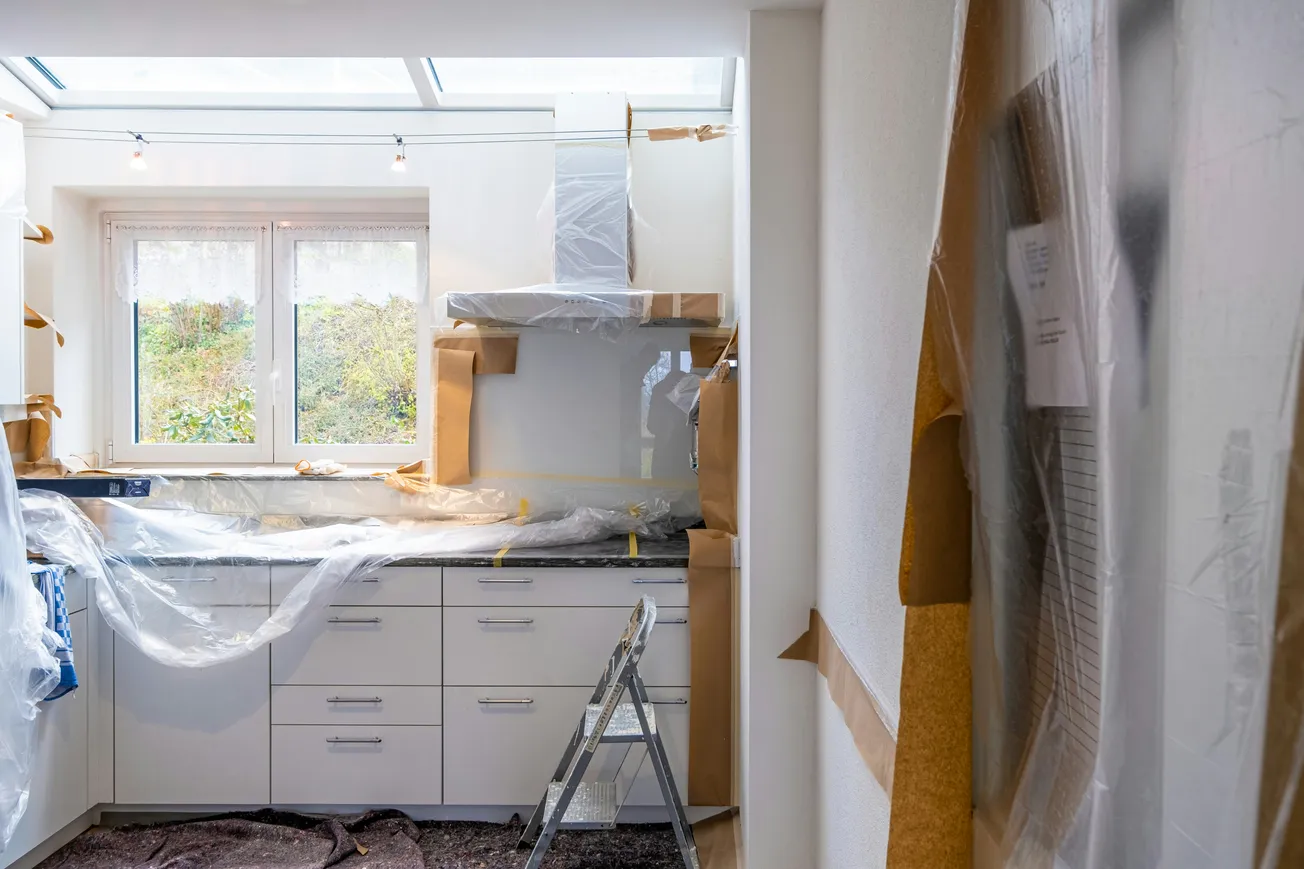
Large-scale remodeling projects—such as kitchen overhauls, room additions, flooring replacements, and premium appliance upgrades—typically require financing through home equity loans or credit. With borrowing costs remaining comparatively high, these projects have become less attractive. As a result, discretionary home improvement categories are experiencing softer demand in 2026.
Industry analysts note that consumers are distinguishing between “need-to-have” and “nice-to-have” purchases. Essential repairs—roof fixes, plumbing replacements, HVAC maintenance, and structural upkeep—continue to generate steady demand. However, aesthetic renovations and aspirational upgrades are more likely to be postponed.
This distinction is shaping both in-store merchandising strategies and online retail assortments, particularly among national home improvement chains and regional hardware retailers. Smaller ticket items such as paint, hardware, repair kits, and basic tools are maintaining stronger sell-through rates compared to higher-margin project packages and custom installations.
Retail and Supply Chain Implications
For retailers operating in the home improvement sector, 2026 presents a demand mix challenge. The shift toward maintenance-focused spending affects inventory planning, supplier negotiations, and promotional strategies. Retailers are leaning into value messaging, private-label offerings, and project-based merchandising centered on affordable DIY repairs.
From a supply chain perspective, the product mix adjustment also influences sourcing priorities. Maintenance and repair items often require different procurement timelines and vendor relationships compared to big-ticket goods such as cabinetry, appliances, or specialty building materials. Retailers that align forecasting models with smaller-basket purchasing behavior may better protect margins during this period of constrained discretionary spending.
Housing Market and Consumer Confidence Factors
The broader housing market is also influencing home improvement spending in 2026. Slower home sales activity can reduce large renovation projects typically undertaken before listing or shortly after purchasing a property. At the same time, homeowners who remain in place longer may prioritize upkeep over expansion.
Consumer confidence levels continue to play a critical role. When households feel uncertain about economic conditions, job stability, or future expenses, they tend to delay major commitments. Even higher-income consumers are showing more measured purchasing patterns in home-related categories.
Outlook for the Remainder of 2026
Experts suggest that belt-tightening is likely to persist through the remainder of 2026, with discretionary home improvement spending continuing to lag essential maintenance categories. A meaningful rebound in big-ticket projects may depend on shifts in interest rates, housing activity, and overall consumer sentiment.
For omnichannel retailers, the environment underscores the importance of flexibility. Integrating digital engagement, localized inventory strategies, and value-driven marketing may prove essential in navigating this period of moderated demand.
As 2026 unfolds, the home improvement sector remains active—but increasingly defined by practicality over ambition, as consumers prioritize repairs and smaller purchases over expansive renovation projects.
More about 2026 spending:
 Staff Report
 Staff Report
 Staff Report