
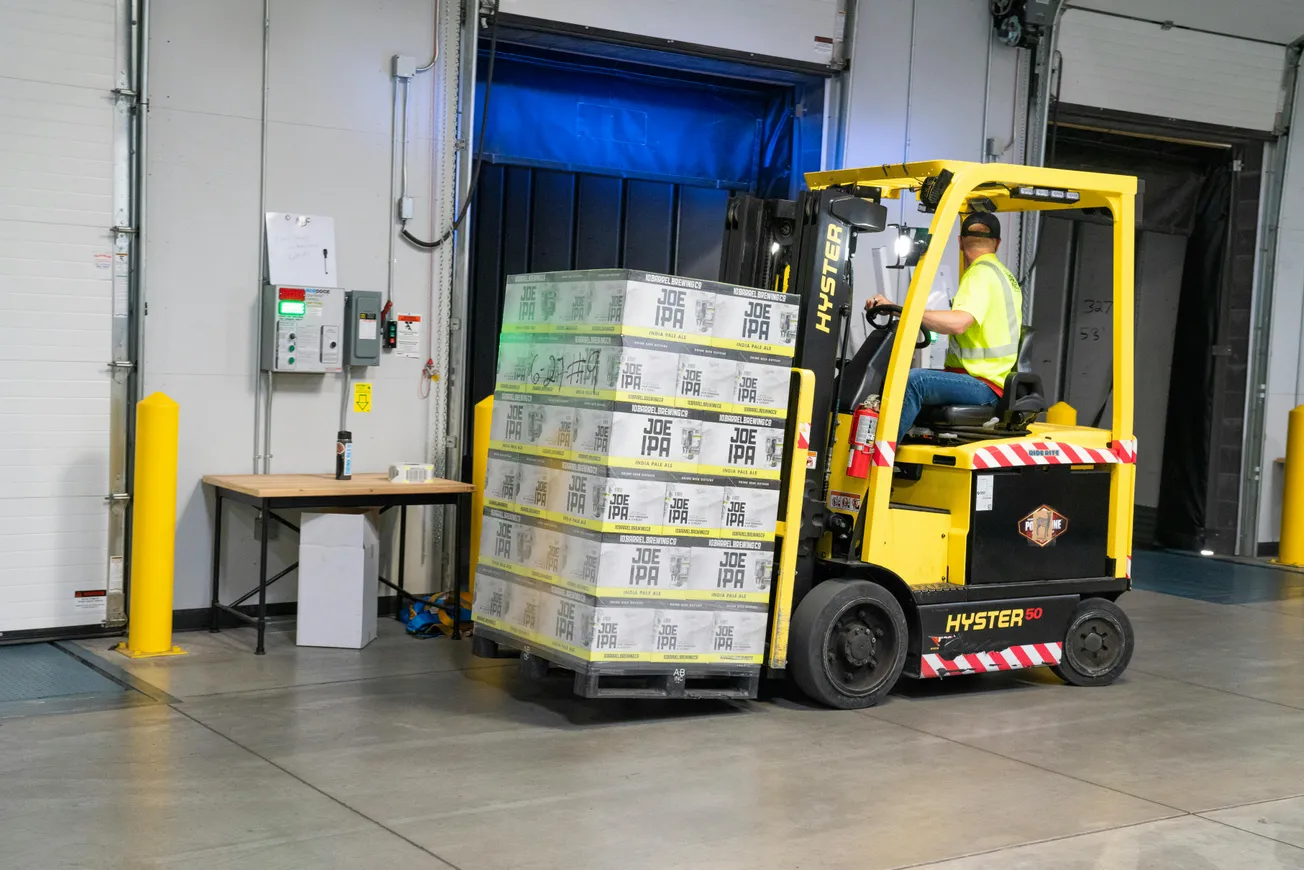
Consumers’ demand for faster, seamless fulfillment continues reshaping logistics and supply chain strategies worldwide. As e‑commerce keeps growing, manufacturers, retailers, and logistics providers are pressured not just to offer faster delivery windows, but to deliver with accuracy, transparency, and operational resilience.
Research by Zebra Technologies highlights how supply chain leaders are evolving to address these demands through technology adoption, process digitization, and cross‑functional transformation.
Omnichannel Fulfillment: Progress and Persistent Challenges
Despite substantial investment in omnichannel systems, many organizations still consider themselves early in the journey toward fully integrated fulfillment:
- A significant portion of leaders acknowledge that omnichannel fulfillment remains complex and incomplete — particularly when it comes to inventory visibility, allocation, and real‑time coordination across channels.
- Retailers are increasingly repurposing stores as fulfillment hubs to support online demand and reduce last‑mile cost and delivery times. In earlier Zebra research, a majority of retailers already leveraged store inventory to fulfill online orders and expected this trend to grow — a dynamic that continues in 2026 as brands refine store fulfillment programs.
- Product returns — especially free and fast returns — remain a major operational and cost concern, prompting many organizations to rethink centralized returns centers and invest in integrated reverse logistics systems.
Technology Adoption Accelerates Fulfillment Accuracy and Speed
Technology remains central to fulfillment transformation:
- Earlier data showed that many supply chains relied on manual processes and fragmented systems — gaps that slow inventory accuracy and responsiveness. By 2026, companies are significantly accelerating digitization efforts, phasing out manual work in favor of connected systems, barcode and RFID‑enabled tracking, and real‑time reporting.
- RFID and real‑time data capture are now widely seen as foundational tools for item‑level visibility, enabling more precise inventory control and better customer promise accuracy.
- Robotics and automation — including collaborative mobile robots (AMRs) working alongside human pickers — are increasingly deployed in fulfillment centers. Zebra’s Symmetry Fulfillment suite, for example, reflects the trend of combining software, wearable devices, and robots to enhance throughput and efficiency with fewer autonomous units.
Delivery Speed Meets Operational Reality
The push for fast delivery continues unabated:
- Earlier Zebra findings predicted majority adoption of same‑day and rapid delivery models by 2028, with flexible delivery networks — including crowdsourced drivers and decentralized pickup points — supporting these goals.
- In 2026, many retailers and logistics firms are focused on balancing delivery speed with cost and sustainability, investing in dynamic routing, predictive analytics, and multi‑modal delivery strategies that respond in real time to customer needs and supply chain variations. This aligns with Zebra’s broader trend emphasis on intelligent operations, where AI‑driven optimization and analytics unlock improved efficiency and responsiveness.
Regional Shifts in Fulfillment Priorities
Regional differences persist in how omnichannel fulfillment is pursued:
- North America continues pushing for stronger inventory accuracy and real‑time systems to support rapid delivery models.
- Europe and the Middle East show high adoption of store‑based fulfillment and click‑and‑collect options, helping reduce delivery friction and cost.
- Asia Pacific remains a leader in delivery urgency and innovation adoption, often rolling out advanced last‑mile and in‑store fulfillment solutions ahead of other regions.
- Latin America is adapting strategies around fee structures and return policies to balance customer expectations with operational constraints.
(Note: While specific 2026 regional data parallels trends identified in earlier reports, exact 2026 figures vary by company and market context.)
Strategic Considerations for 2026 and Beyond
To compete in the on‑demand economy, organizations should prioritize five strategic areas:
- Digitization of frontline and warehouse workflows with connected devices, mobile computing, and cloud‑based systems.
- Item‑level visibility through RFID, barcode scanning, and real‑time data integration to eliminate blind spots in inventory tracking.
- Automation and robotics that augment human labor and improve throughput without proportionally increasing costs.
- AI‑enabled analytics for predictive fulfillment, dynamic routing, and customer experience optimization.
- Resilient, flexible delivery networks that incorporate decentralized fulfillment, crowdsourced capacity, and optimized last‑mile routing to balance speed with sustainability.
The fulfillment landscape in 2026 is defined by digital transformation, advanced automation, and omnichannel integration. Zebra’s fulfillment research — both foundational and current trend analyses — underscores that while the industry has made meaningful progress, achieving true efficiency, agility, and customer responsiveness requires continued investment in smart technologies and connected operations.
Organizations that embrace these trends will be better positioned to meet evolving customer expectations and drive competitive advantage in the on‑demand economy.
More about fulfillment:
 Ashton York
 Ashton York
 Dan Craft