

Retailers are increasingly adopting hyperlocal logistics as a strategy to improve delivery time, performance, and cost efficiency. In an era where customers seek convenience and quick access to products, hyperlocal logistics focuses on reducing delivery times by locating smaller fulfillment centers closer to customers. These hyperlocal nano fulfillment centers (NFCs) replace large warehouses on the outskirts of cities. By leveraging automation and advanced technologies, NFCs can operate autonomously or semi-autonomously, handling tasks like inventory management, order preparation, and packaging. This automation eliminates the need for a large workforce, resulting in significant cost savings for retailers. Hyperlocal logistics also supports omnichannel strategies by improving inventory management and item accessibility, allowing retailers to offer a seamless transition between different channels for customers. By adopting hyperlocal logistics, retailers can enhance customer satisfaction, foster brand loyalty, and adapt to an ever-changing retail landscape while reducing costs and maintaining a competitive edge.
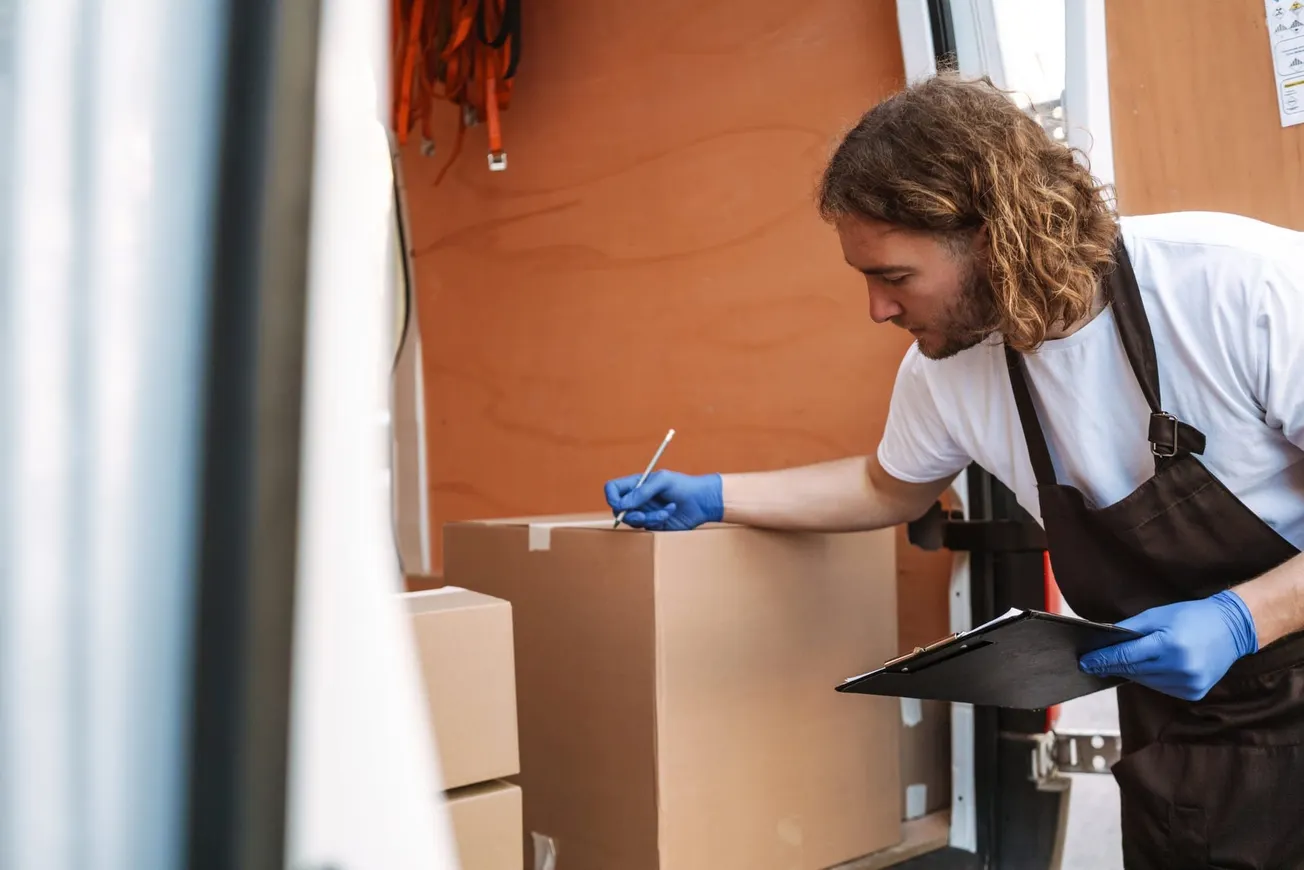
Retailers Embrace Hyperlocal Logistics for Faster Deliveries and Cost Savings
Revolutionizing fulfillment centers and automating inventory management for enhanced performance and customer satisfaction
Related

Ep. 16 - Value Over Cost: Redefining Supply Chain Metrics
Supply chain veteran Lora Cecere breaks down why multinationals struggle to scale, revealing how outdated safety stock assumptions and siloed planning erode margins, and what it takes to synchronize networks effectively.
Ep. 164 - From the Vault: What Executives Learn from Sam Walton
Former Walmart SVP Sam Dunn shares operational lessons from working under Sam and Rob Walton, breaking down the costly Hypermart rollout and how leadership stabilized profits after a shattered 99 quarter growth streak.

How Human Expertise and AI Stop Retail Chargeback Margin Losses
VendorMint explains how consumer packaged goods suppliers can dispute invalid retail chargebacks and resolve catalog setup errors by pairing artificial intelligence with human operational expertise.

Ep. 15 - Tribal Knowledge: What Algorithms Miss in Logistics
Overroute CEO Alex Reed shares how he built an embedded startup inside JB Hunt, revealing why agentic AI needs to blend with human tribal knowledge and how tracking Time to Dopamine drives real front line adoption.
Latest
Ep. 16 - Value Over Cost: Redefining Supply Chain Metrics
Supply chain veteran Lora Cecere breaks down why multinationals struggle to scale, revealing how outdated safety stock assumptions and siloed planning erode margins, and what it takes to synchronize networks effectively.
Ep. 164 - From the Vault: What Executives Learn from Sam Walton
Former Walmart SVP Sam Dunn shares operational lessons from working under Sam and Rob Walton, breaking down the costly Hypermart rollout and how leadership stabilized profits after a shattered 99 quarter growth streak.
Target’s Comeback Is a Reminder That Merchandising Still Matters
Scott Benedict breaks down how Target's return to core merchandising and faster assortment refresh cycles is driving traffic, showing why sourcing emerging brands often beats big marketing when demand stalls.

Ep. 27 - Retail Media Vibes: One Year Later
Brad Godwin, Jessica Hendrix, and Tom Breeden mark one year by breaking down artificial scarcity, AI's role in shopping, and how leaders can retain top talent while deploying generative tools without losing the human touch.